Maharashtra Nashik Akkalkot Highway Secures Land Milestones
Progress on a transformative ₹19,142 crore Nashik–Akkalkot greenfield highway in Maharashtra has accelerated, with land acquisition milestones now reached across key segments of the 374‑kilometre corridor. The advancement signals renewed momentum for a project expected to recalibrate long‑distance connectivity and regional economic flows across western and southern India.
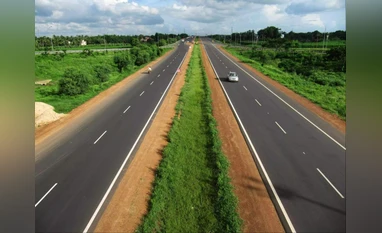
The six‑lane, access‑controlled highway — cleared by the Cabinet Committee on Economic Affairs late last year — forms a critical section of the broader Surat–Chennai and national transport network. Designed under a Build‑Operate‑Transfer (BOT) model, the project aims to integrate interior cities such as Nashik, Ahilyanagar, Solapur and Akkalkot with major expressways and industrial corridors, enhancing freight movement and reducing travel times by nearly half once operational.Infrastructure planners caution that robust land acquisition is a prerequisite for contract bidding and construction kick‑offs. Recent reports from government and industry sources confirm that a majority of the parcels required for this greenfield alignment are now being transferred to implementing agencies, reducing a long‑standing bottleneck in project delivery. Urban and transport economists point out that this progress is essential in converting legislative approval into on‑the‑ground work.
Subject matter specialists note that the corridor’s design — calibrated for average speeds of up to 100 km/h and uninterrupted access — reflects a strategic shift in India’s road infrastructure from upgrading existing highways to purpose‑built routes that can sustain high freight and passenger throughput. Such corridors are known to alleviate pressure on older national routes while reducing operating costs for logistics firms, which ultimately benefit producers and consumers alike.For local economies, the highway is projected to unlock significant opportunities. Analysts highlight that reduced transit times and improved connectivity to ports and industrial clusters can catalyse regional clusters in sectors like automotive components, agri‑produce logistics and manufacturing. This could accelerate investments in ancillary infrastructure such as warehousing, cold chains and multimodal logistics parks, creating jobs beyond the construction phase.
However, land acquisition remains politically sensitive and socially complex. Civic planners emphasise that equitable compensation, livelihood safeguards, and community engagement are essential to ensure that infrastructure gains do not bypass the rural populations directly affected by the corridor’s footprint. Urban development experts also stress that such projects need integrated planning with public transport, safety provisions and climate‑resilient design standards to maximise long‑term benefits.As preparatory work continues, the organisation responsible for national highways is expected to initiate bidding soon, conditional on final documentation of acquired land. Local industry chambers and logistics stakeholders are watching closely, anticipating that definitive contracts and a clear construction timeline will be announced shortly.
Looking ahead, how Maharashtra balances accelerated infrastructure growth with inclusive social outcomes and environmental stewardship will shape the corridor’s legacy beyond its pavement — from economic dynamism to sustainable regional development.