


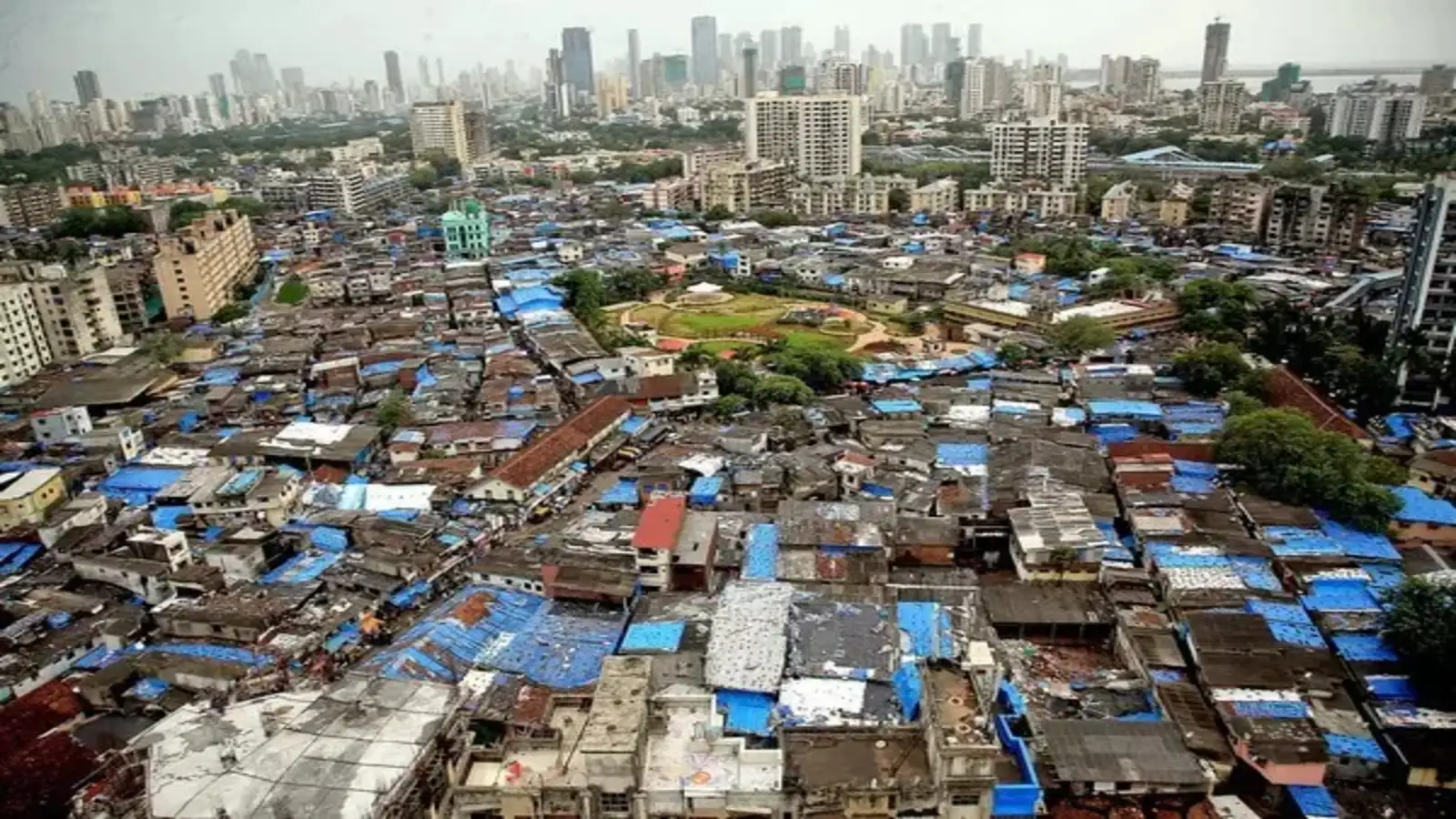
Mumbai’s redevelopment-led housing transformation is increasingly running into a quiet but consequential financial obstacle: unresolved home loans on ageing apartments. As the city accelerates the renewal of structurally weak buildings, even a single outstanding mortgage within a housing society is proving sufficient to delay or derail redevelopment proposals with implications for safety, housing supply and urban resilience.
Across Mumbai’s western and central suburbs, many residential buildings over 30 to 40 years old are structurally due for replacement. While most long-standing homeowners in such properties no longer carry loans, complications arise when flats have changed hands in the resale market during the last two decades. In these cases, lenders retain a mortgage charge over individual apartments, creating a legal and financial impasse once redevelopment is proposed. From a banking perspective, redevelopment alters the very asset against which the loan is secured. Once demolition begins, the original flat ceases to exist, elevating risk for lenders. As a result, banks often require full loan repayment before issuing a no-objection certificate, without which the society cannot proceed. Industry professionals note that this requirement, though rational from a risk standpoint, has become a recurring friction point in Mumbai’s redevelopment ecosystem. Developers involved in society-led projects confirm that redevelopment can technically move forward despite pending loans, but only through additional safeguards. These may include tripartite agreements between the society, lender and developer, or legally binding undertakings guaranteeing the bank’s interests until the new building is completed and possession restored. Such arrangements, however, increase paperwork, legal costs and timelines factors that discourage smaller developers and strain consensus within housing societies.
In some cases, developers advance corpus payments or temporary rent compensation earlier than scheduled, allowing affected homeowners to clear loan dues. While this can unlock stalled projects, it also introduces concerns around fairness and financial exposure, particularly when other residents question why collective redevelopment economics should absorb individual liabilities. The stakes extend well beyond individual societies. Redevelopment is a central pillar of Mumbai’s strategy to upgrade unsafe housing, unlock land efficiency and curb urban sprawl. Market estimates suggest tens of thousands of new homes will enter the city through redevelopment over the next decade, contributing significantly to municipal revenues through stamp duty, registration fees and indirect taxes. Urban planners warn that procedural delays linked to financing could slow this pipeline at a time when climate resilience and building safety are becoming urgent priorities. Older structures are more vulnerable to extreme weather, infrastructure stress and seismic risks making timely redevelopment a public safety concern, not merely a commercial one.
As Mumbai’s housing stock ages further, experts argue that clearer regulatory frameworks involving lenders, housing societies and developers will be essential. Streamlining consent mechanisms and standardising bank comfort norms could help ensure redevelopment delivers safer, more efficient and inclusive housing without leaving cities hostage to unresolved legacy loans.
Also Read: Mahim office market records strong early demand
