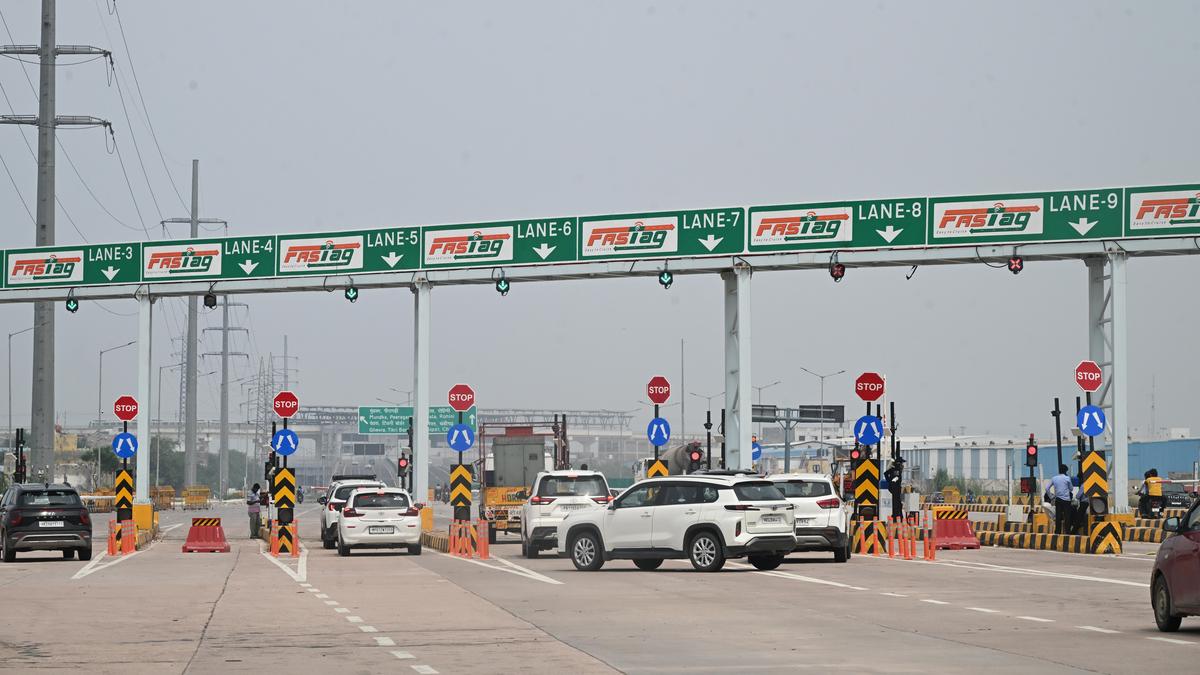
India’s national highway tolling framework is entering a decisive transition, with the Delhi–NCR region emerging as a key testing ground for barrier-free toll collection. The central road transport administration has identified 21 toll locations nationwide for the rollout of free-flow tolling systems, including five high-traffic plazas across Delhi and adjoining Haryana. The shift aims to reduce congestion, improve fuel efficiency, and modernise road-user charging on some of the country’s busiest corridors.
Barrier-free tolling allows vehicles to pass through toll points without stopping, using a combination of automatic number plate recognition and radio-frequency identification linked to FASTag accounts. For Delhi–NCR, where daily commuter traffic spills across state borders, the reform could significantly cut travel delays, especially on logistics-heavy routes connecting the capital to industrial hubs in Haryana, Rajasthan, and beyond.
According to officials familiar with the programme, bids have either been finalised or invited for all 21 locations, with implementation expected to proceed in phases based on operational performance. Fifteen toll plazas across multiple states have already been awarded contracts, while six including key sites on expressways and national highways in Delhi–NCR remain under active bidding. The region accounts for the highest concentration of selected plazas, underlining its importance in stress-testing the technology. Urban mobility experts note that toll plazas are among the most persistent congestion points on Indian highways, often negating the benefits of multi-lane road investments. Stop-start traffic around toll barriers contributes to higher emissions, longer freight turnaround times, and commuter fatigue. By eliminating physical barriers, the free-flow tolling model aligns with broader climate and efficiency goals by reducing idling, fuel wastage, and local air pollution.
The system relies on synchronised data capture from high-speed cameras and RFID readers to identify vehicles and deduct user charges automatically. Authorities plan to strengthen enforcement mechanisms to ensure compliance, including higher penalties for delayed or missed payments. Officials say this is essential to maintain revenue certainty while transitioning away from cash-based or manual tolling. From a real estate and regional development perspective, smoother highway movement can reshape commuter patterns and logistics economics. Faster, predictable travel times between Delhi and satellite cities such as Gurugram, Faridabad, and industrial clusters along NH-48 and NH-44 could enhance the viability of peripheral housing markets and warehousing zones.
However, transport planners caution that technology alone will not resolve all friction points. System accuracy, grievance redressal, data privacy safeguards, and coordination between highway operators will determine public acceptance. The initial rollout across Delhi–NCR is therefore being closely watched as a bellwether for nationwide expansion. If the pilot corridors deliver measurable reductions in congestion and emissions, barrier-free tolling could become a defining layer of India’s next-generation highway infrastructure quietly reshaping how cities, regions, and markets stay connected.
Delhi NCR Highways Prepare For Barrierless Tolls