Bengaluru Chennai Expressway Progress Uneven in Phase Three
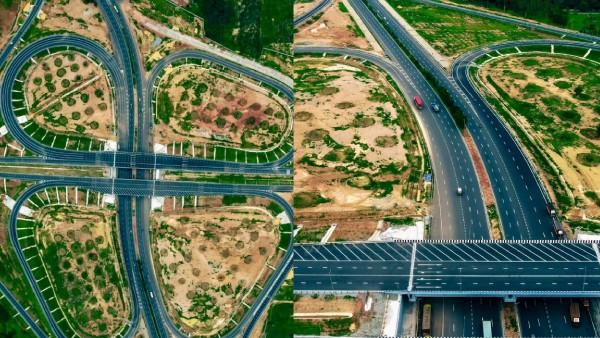
A critical stretch of the Chennai–Bengaluru Expressway is approaching completion, even as one unfinished section exposes the structural and financial pressures shaping India’s large infrastructure builds. Phase III of the high-speed corridor spanning 106 kilometres across Tamil Nadu and Andhra Pradesh is now largely built, with three construction packages expected to open by mid-2026. The remaining segment, however, remains stalled, delaying the full urban and economic impact of the project.
Designed to strengthen inter-city connectivity between two of southern India’s largest metropolitan regions, Phase III has been executed under the Hybrid Annuity Model, which blends public funding with private construction responsibility. Of the four packages sanctioned for this phase, works covering just over 80 kilometres have reached advanced stages, with on-ground completion nearing final layers of paving, service roads, and safety infrastructure. Transport officials say the near-finished sections could significantly reduce travel time and logistics costs between industrial clusters, ports, and emerging residential corridors once opened. Urban planners note that the expressway is expected to influence land-use patterns well beyond its carriageway, triggering new warehousing hubs, peri-urban housing demand, and regional employment nodes particularly along the Tamil Nadu stretch, which accounts for the bulk of the alignment.
The concern lies with the remaining 25.5-kilometre package, where construction activity has been halted for several months due to the concessionaire’s inability to sustain project financing. Government agencies have initiated a substitution process to bring in a new developer, a mechanism increasingly used to protect public interest in capital-intensive road projects. Industry experts say such mid-course corrections are becoming more common as private developers navigate rising borrowing costs, delayed cash flows, and tighter credit conditions. While earlier phases of the expressway were slowed by land acquisition disputes, utility relocations, and statutory clearances including power transmission and forest approvals officials confirm these hurdles have now been cleared across the corridor. The current delay is therefore seen less as a regulatory failure and more as a reminder of the financial resilience required to deliver long-duration infrastructure.
From an urban development perspective, the staggered completion raises questions about coordinated growth. Partial openings may divert traffic benefits unevenly, while full value especially for freight efficiency and emissions reduction will depend on seamless end-to-end connectivity. Sustainable transport analysts also point out that expressways must be paired with robust access control, public transport integration, and land governance to avoid unchecked sprawl. As authorities work to restart the stalled section, attention is shifting to execution discipline and risk-sharing models that can withstand economic cycles. The final outcome will shape not just travel between two cities, but the future of corridor-led urbanisation across southern India.