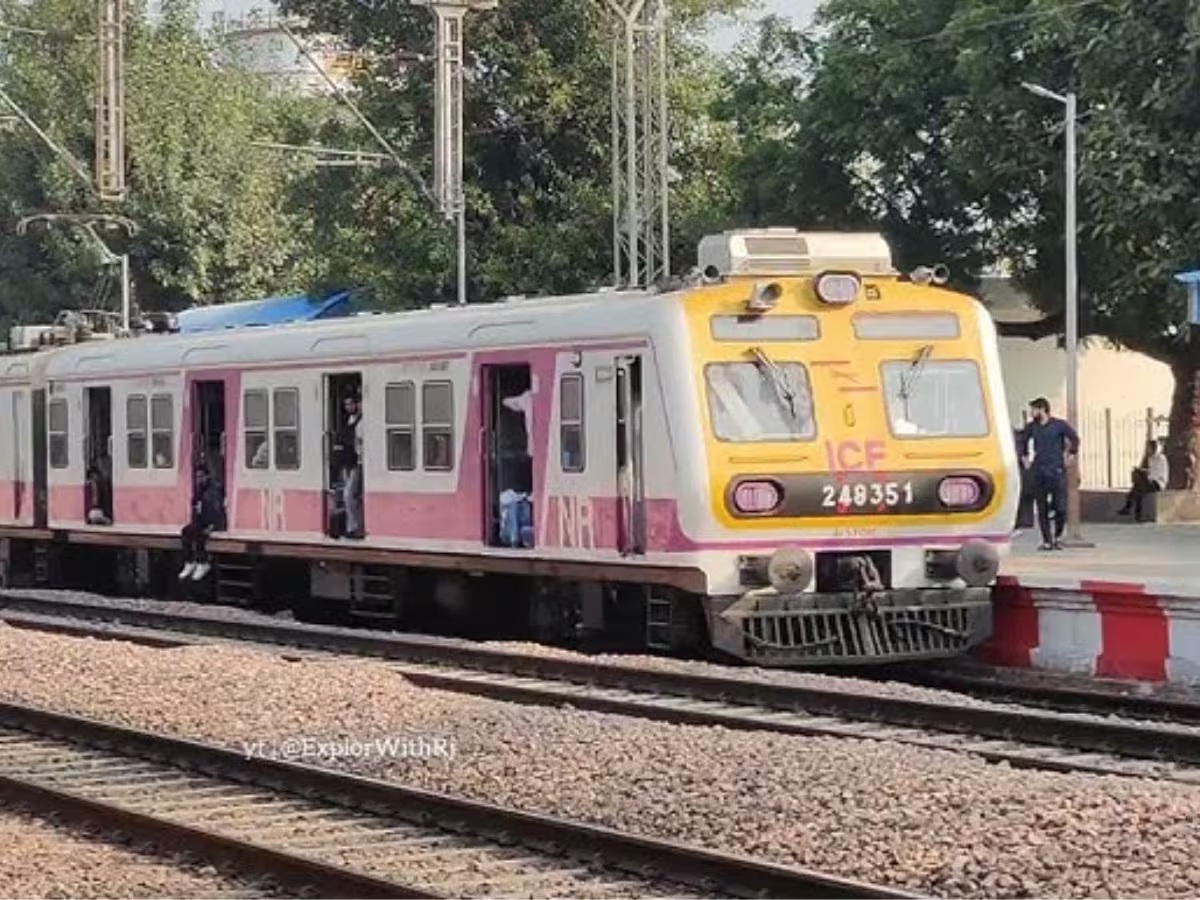
South Western Railway has scheduled additional long-distance rail services between Bengaluru and Vijayapura to accommodate a sharp rise in festival travel during the Shivaratri period, strengthening regional connectivity at a time when intercity mobility typically strains transport networks. The move reflects how targeted rail planning can ease pressure on roads while offering safer, lower-emission alternatives for short-term demand spikes.
According to operational details released by the zone, a special overnight service will operate from Sir M. Visvesvaraya Terminal in Bengaluru to Vijayapura on February 13, reaching the northern Karnataka city the following morning. A return service is planned on February 16, allowing pilgrims and other travellers to return after the main festival observances. These Shivaratri special trains are being positioned as time-bound capacity additions rather than permanent timetable changes. Festival-related travel between Bengaluru and northern Karnataka has traditionally relied heavily on private buses and personal vehicles, contributing to highway congestion and higher carbon emissions during peak days. Rail officials say that introducing special trains helps redistribute passenger loads across modes, improving safety and reliability while lowering the environmental footprint of mass movement. Urban transport planners often view such interventions as a practical bridge until longer-term capacity enhancements are completed.
The Bengaluru–Vijayapura corridor connects a major technology and education hub with a district that sees significant religious and cultural inflows during Shivaratri. For residents, migrant workers, and small traders, predictable festival transport is closely linked to economic participation, especially when travel costs rise sharply due to limited availability. Special rail services can stabilise fares indirectly by reducing demand pressure on other modes. From an urban development perspective, short-term rail planning also offers insights into how flexible scheduling can support inclusive mobility. By deploying existing rolling stock and crews for peak occasions, railway zones can respond quickly without major capital expenditure. Transport economists note that such adaptive use of infrastructure is increasingly important as cities face climate constraints and tighter public budgets.
While the current announcement covers only two trips, it aligns with a broader national emphasis on optimising rail assets during seasonal surges. Railways across India have been experimenting with similar festival-focused services to balance passenger convenience with operational efficiency. Experts argue that better data on festival travel patterns could further refine these deployments, ensuring trains are added where they deliver the greatest social and environmental returns. As urban regions continue to expand and religious tourism remains a key driver of mobility, the success of Shivaratri special trains will be measured not just by occupancy but by their ability to reduce congestion, improve accessibility, and demonstrate how public transport can respond dynamically to citizens’ needs. Future iterations may depend on passenger feedback, punctuality, and integration with last-mile transport at both ends of the route.