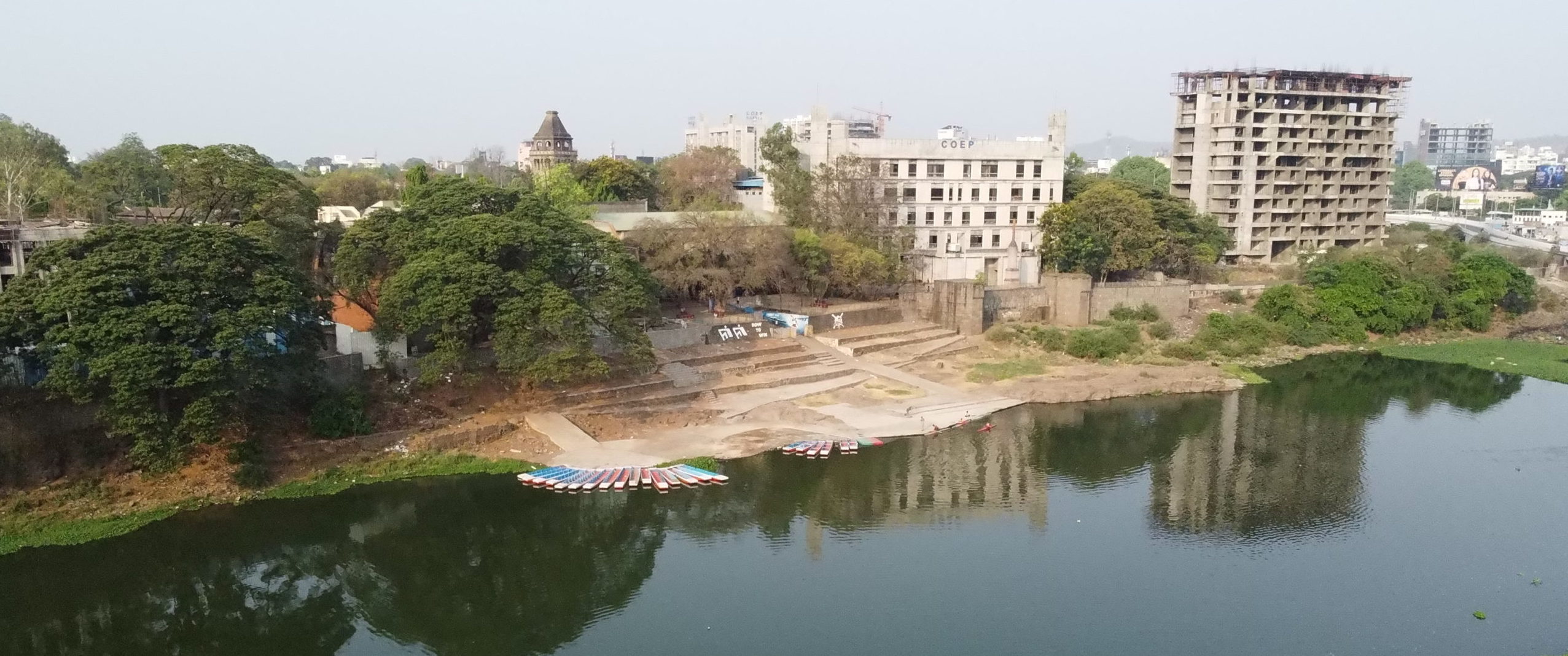
Pune’s expanding urban footprint has once again collided with fragile river systems, after the state pollution regulator issued formal notices to the city’s municipal administration over persistent discharge of untreated sewage into the Mula and Mutha rivers. The action follows recent inspections that linked recurring foaming episodes and deteriorating water quality to systemic gaps in sewage treatment capacity, raising wider concerns over the sustainability of Pune’s infrastructure-led growth.
According to regulatory assessments, the city currently generates close to 1,000 million litres per day of sewage, while operational treatment capacity remains significantly lower. As a result, large volumes of untreated or partially treated wastewater are flowing into river channels through multiple open drains, particularly at key confluence and downstream locations. Officials involved in the inspections indicated that several treatment plants were operating below required efficiency due to poor hydraulic control, inconsistent maintenance, and inadequate monitoring. Urban planners note that the problem is most acute in newly merged peripheral areas, where sewer networks have not kept pace with residential and commercial development. Large neighbourhoods on Pune’s eastern and southern fringes continue to rely on informal drainage systems, allowing wastewater to enter natural water bodies without treatment. This has triggered spikes in pollution indicators such as biochemical oxygen demand, chemical oxygen demand, and faecal contamination metrics that directly affect aquatic life and downstream water use.
The environmental fallout has been visible. Repeated foaming events along river stretches frequented by pedestrians and informal workers have heightened public concern, while recent fish mortality incidents have underscored the ecological stress on urban rivers that also serve as flood buffers and groundwater recharge zones. Experts warn that ignoring river health weakens a city’s climate resilience, particularly as extreme rainfall events become more frequent. From an economic and real estate perspective, untreated sewage poses long-term risks. Waterfront redevelopment, housing demand in peripheral zones, and investor confidence in urban infrastructure depend heavily on reliable sanitation systems. “Cities that fail to close the sewage gap eventually pay through higher public health costs, environmental remediation, and stalled urban renewal,” said an infrastructure policy analyst familiar with municipal sanitation projects.
The pollution regulator has directed the municipal authority to submit a time-bound corrective plan, including immediate containment measures and a roadmap for expanding treatment capacity. While hearings between the regulator and civic officials are underway, sector observers say the episode highlights a structural issue faced by fast-growing Indian cities: infrastructure delivery lagging behind land development and population growth. As Pune continues to attract investment and migrants, the episode reinforces the need for integrated urban planning where sewage, water, housing, and river management are treated as a single system. For the city’s rivers, the coming months will test whether regulatory pressure can translate into durable infrastructure reform rather than temporary fixes.