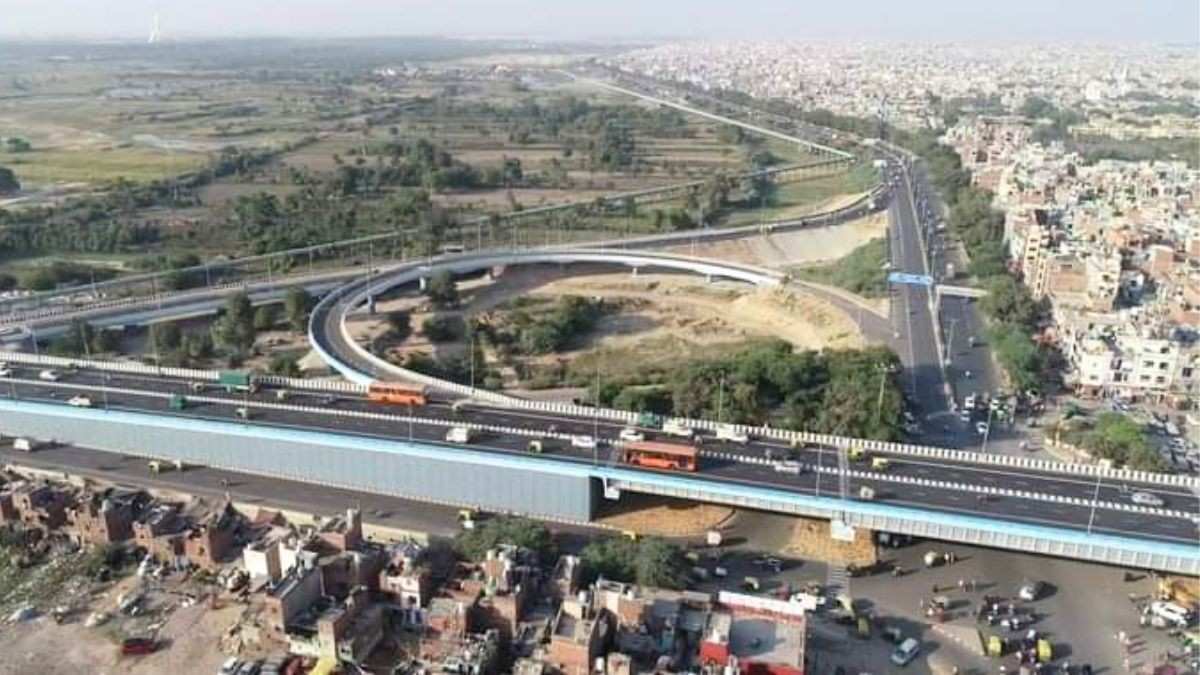
Delhi’s long-neglected eastern riverbank is set for a significant urban reset after the city administration cleared a large, multi-sector investment package aimed at upgrading civic infrastructure, public spaces, and tourism assets across the Trans-Yamuna region. The decision marks one of the most substantial public spending commitments in recent years for neighbourhoods east of the Yamuna, with implications for liveability, local economies, and real estate confidence.
Projects collectively valued at ₹728 crore have been approved by the Trans-Yamuna Area Development Board, covering a wide range of interventions including road repairs, drainage upgrades, park redevelopment, and public amenity creation. The proposals were cleared during a high-level review chaired by the city’s elected executive leadership, with agencies instructed to prioritise execution timelines ahead of the upcoming monsoon season. A core focus of the Delhi Trans Yamuna projects is addressing long-standing infrastructure deficits that affect daily mobility and climate resilience. Officials have been directed to identify and rectify waterlogging-prone corridors, strengthen stormwater drainage, and repair damaged road surfaces to improve commuter safety. Urban planners note that these interventions are critical in a zone where monsoon flooding routinely disrupts work commutes, school access, and local commerce.
Beyond basic services, the investment package places renewed emphasis on public spaces and tourism-linked assets. Multiple parks across the Trans-Yamuna belt are slated for redesign and upgradation, alongside new public amenities intended to support community use. Planners involved in the process say the objective is to reposition the area as a destination rather than a transit corridor, integrating it more visibly into Delhi’s recreational and cultural map. The projects will be implemented by the municipal corporation and allied civic agencies, spanning 16 assembly constituencies in the eastern part of the capital. Senior officials indicated that funding availability will not constrain rollout, a departure from earlier incremental approaches that often stalled at the planning stage. The administration has signalled that development must balance essential civic upgrades with long-term spatial improvement, rather than cosmetic interventions alone.
For the real estate and housing market, the scale of investment could alter long-standing perceptions of the Trans-Yamuna region. Property consultants observe that sustained public spending on infrastructure and open spaces typically precedes private investment, particularly in mid-income housing and neighbourhood retail. Improved parks and drainage also enhance resilience to climate stress, an increasingly important factor in homebuyer decisions.
Urban economists caution, however, that outcomes will depend on execution quality and maintenance frameworks. Integrating green infrastructure, pedestrian connectivity, and inclusive design will be key to ensuring that benefits reach women, older residents, and informal workers who rely most on public amenities.
As Delhi seeks more balanced growth across the river, the Delhi Trans Yamuna projects represent a test case for equitable urban development. The coming months will reveal whether coordinated delivery can translate capital allocation into lasting improvements in everyday urban life.
Delhi Trans Yamuna Projects Target Urban Renewal