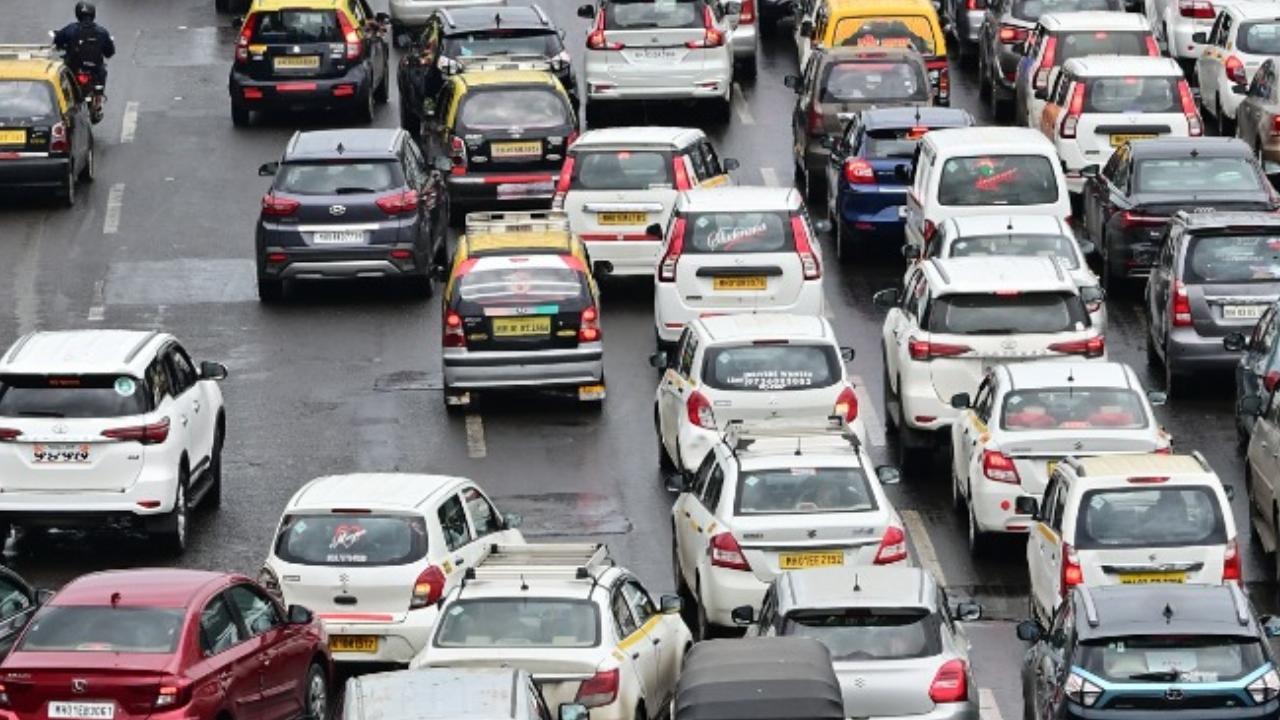
Mumbai is set to implement a new set of traffic movement and parking regulations from February 1, marking one of the most stringent attempts in recent years to address congestion, road safety and urban liveability. The updated framework, notified by the city’s traffic authorities, places tighter controls on heavy vehicles during peak hours, with sharper restrictions across South Mumbai, where road capacity is under sustained pressure.
The revised rules are designed to respond to the growing mismatch between road space and vehicle volumes in India’s financial capital. With large sections of the city simultaneously undergoing metro construction, road upgrades and utility works, traffic planners have identified heavy vehicles as a key contributor to bottlenecks during commuter rush hours. The new measures seek to prioritise passenger movement, public transport efficiency and emergency access. Under the updated regime, heavy vehicles will no longer be permitted to enter most parts of Mumbai during identified peak periods in the morning and evening. Traffic officials have flagged these windows as the most congestion-prone, coinciding with office travel, school movement and freight overlaps. In South Mumbai, the restrictions are significantly broader, effectively limiting heavy vehicle access for most of the day, except during late-night and early-morning hours.
Urban mobility experts say the South Mumbai-specific rules reflect the area’s unique challenges. Narrow legacy roads, dense commercial activity and high pedestrian volumes leave little margin for large vehicles. The decision to restrict even luxury buses in this zone underscores a shift towards managing demand rather than expanding road capacity in already saturated precincts. The new traffic rules also introduce tighter parking controls for heavy vehicles across the city. Such vehicles will now be required to use private, leased or authorised pay-and-park facilities, with on-road parking largely prohibited. Officials believe this will free up carriageways currently reduced by idle trucks and tankers, improving traffic flow and pedestrian safety. Limited exemptions have been carved out for essential water supply operations near designated points.
Importantly, the regulations maintain uninterrupted access for vehicles carrying essential goods and services. Supplies critical to daily urban functioning—including food items, drinking water and fuel—will continue to operate without time restrictions, alongside ambulances, school transport and government-operated vehicles. This balance, planners say, is crucial to ensuring that congestion management does not disrupt economic activity or social services. From a broader urban development perspective, the policy reflects Mumbai’s gradual pivot towards demand management as a tool for congestion reduction. Rather than relying solely on new flyovers or road widening, authorities are increasingly using regulatory measures to optimise existing infrastructure. If enforced consistently, the new rules could also deliver environmental benefits by reducing idling emissions and improving average travel speeds.
As the city moves into the next phase of infrastructure expansion, the effectiveness of these traffic restrictions will depend on enforcement, coordination with freight operators and the availability of designated parking facilities. For commuters, the coming weeks will indicate whether regulation-led traffic management can offer tangible relief on Mumbai’s overstretched roads.
Mumbai Announces Fresh Traffic Rules Starting February 1st