


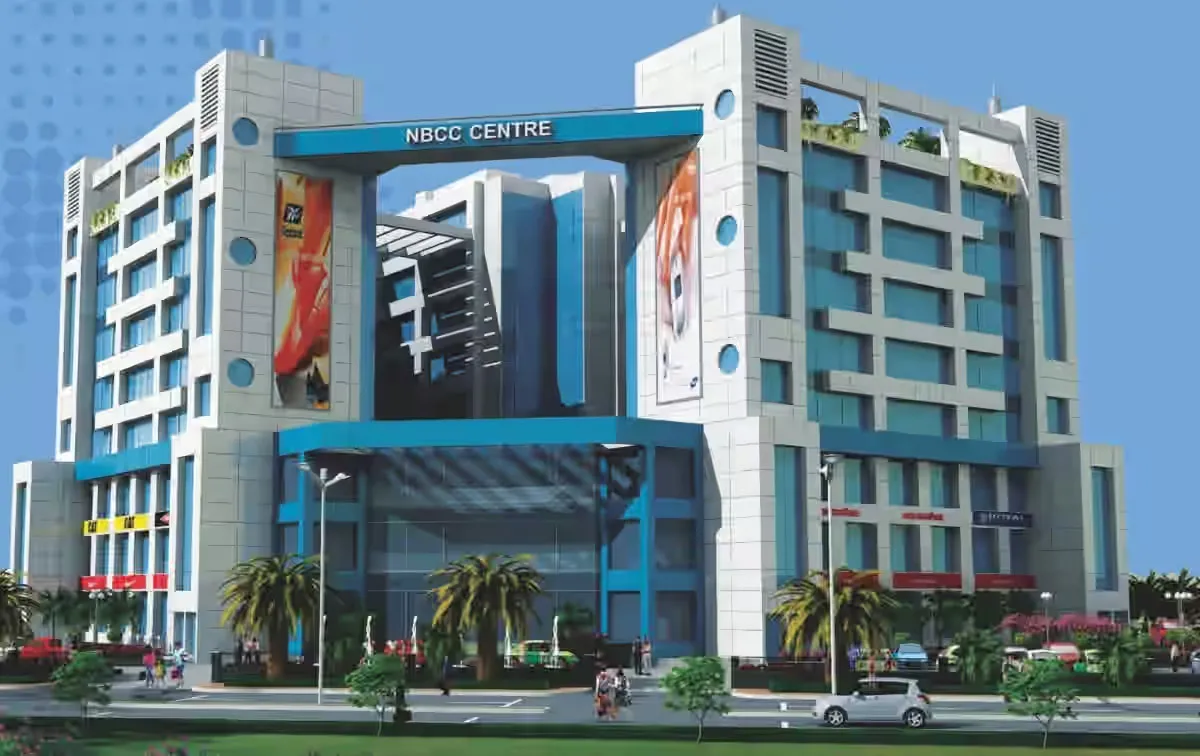
India’s state-owned construction and project management major has taken a decisive step in expanding its overseas real estate ambitions, repositioning its Dubai-based subsidiary from a limited trading operation into a full-scale development platform. The move reflects a broader strategy to deploy public-sector construction expertise in global markets where urban growth, capital inflows and infrastructure demand are converging.
Regulatory approvals issued in late January have formally enabled the subsidiary, located in Dubai Mainland, to undertake end-to-end real estate development activities. This includes planning, construction execution and project delivery a significant expansion from its earlier mandate that restricted operations to buying and selling property assets. Urban economists note that the change marks a shift in intent rather than a routine compliance update. Dubai’s property market has entered a new phase characterised by master-planned communities, climate-responsive design norms and stricter delivery timelines. For a government-owned enterprise with deep experience in large public developments, the emirate offers a testing ground for exporting institutional capacity rather than speculative capital. The subsidiary was incorporated less than a year ago, initially serving as a market-entry vehicle. Its expanded mandate now positions it to directly participate in residential, commercial and mixed-use developments, potentially aligning with Dubai’s long-term urban strategy that emphasises compact growth, transit-oriented planning and energy efficiency. From an urban governance perspective, the move is notable. Unlike private developers, public-sector entities operating overseas often bring a different risk profile prioritising execution discipline, lifecycle costing and regulatory compliance.
Urban planners suggest that such participation can support more stable project delivery in markets that have historically seen cycles of overbuilding and underutilised assets. For NBCC, the expansion signals an evolution in how Indian public-sector firms approach internationalisation. Rather than acting solely as consultants or contractors, the enterprise is positioning itself as a development partner capable of shaping projects from conception to completion. This mirrors a global trend where state-backed firms leverage technical expertise to support sustainable urbanisation beyond national borders. The UAE’s real estate sector, while mature, continues to attract long-term institutional interest due to policy stability and infrastructure-led growth. However, rising expectations around environmental performance and social infrastructure are reshaping what constitutes viable development. Industry observers say entities entering this space will be judged not only on speed and scale, but on how projects integrate resilience, resource efficiency and community planning.
As the subsidiary begins operations under its revised mandate, attention will turn to project selection and delivery standards. Whether this expansion results in landmark developments or measured portfolio growth, it underscores a larger recalibration in how Indian public-sector capacity is deployed globally with implications for diplomacy, urban sustainability and the international credibility of state-led development models.
Also Read: Delhi South Delhi luxury housing attracts institutional capital
NBCC Expands overseas real estate footprint
