


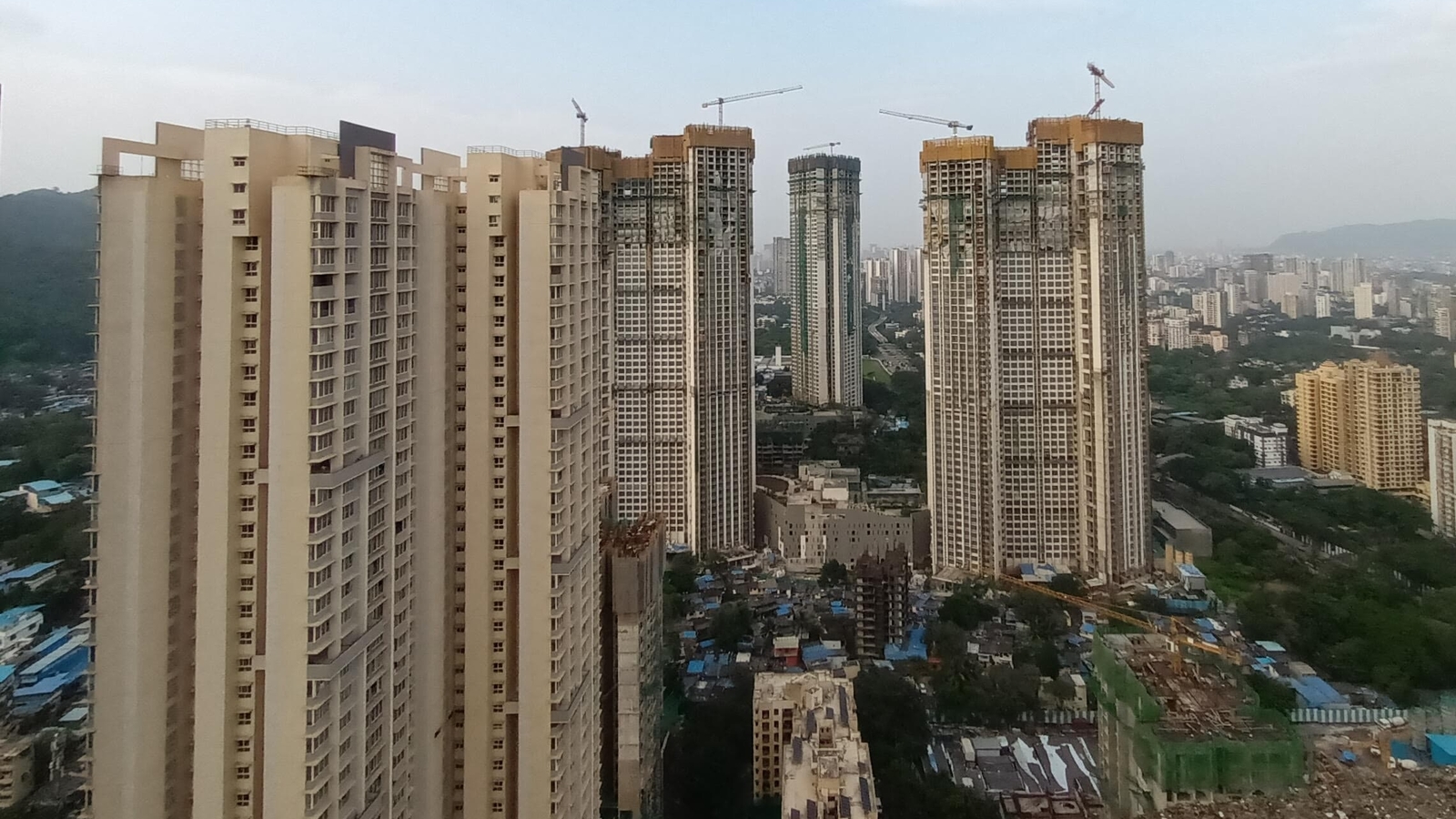
A cooperative housing society in South Mumbai has drawn widespread attention for an unconventional financial structure that challenges long-held assumptions about urban homeownership costs. Located in one of the city’s most expensive coastal precincts, the residential complex does not levy maintenance charges on its members. Instead, it generates sufficient surplus income to distribute annual payments to residents an outcome rarely associated with Mumbai’s high-density housing landscape.
The development matters beyond its novelty. At a time when housing affordability, maintenance inflation, and redevelopment stress dominate urban conversations, the case highlights how strategic land-use decisions and long-term asset planning can materially alter the economics of residential living in land-constrained cities like Mumbai. Urban planners familiar with cooperative housing structures explain that the society’s financial resilience is rooted in a legacy commercial asset acquired decades ago as part of a bundled ownership arrangement. Rather than separating residential and commercial value, early stakeholders opted for collective ownership in an income-generating office property located in a prime business district. Over time, rental income from this asset has not only covered recurring operational costs but also built recurring surplus. This income model effectively converts the housing society into a micro urban trust where residents benefit from annuity-style cash flows rather than bearing escalating expenses. In a city where older buildings often struggle with rising repair costs and redevelopment uncertainty, such financial cushioning offers stability and reduces dependence on frequent capital contributions from members.
Experts note that this model remains rare due to regulatory complexity, fragmented land ownership, and short-term development incentives that prioritise immediate sales over long-term value creation. However, it offers important lessons for future redevelopment frameworks, particularly in central Mumbai, where aging housing stock sits atop high-value land parcels. From a sustainability perspective, financially secure housing societies are better positioned to invest in energy efficiency upgrades, water conservation systems, and structural retrofitting interventions often delayed or abandoned due to funding constraints. Urban policy specialists argue that predictable income streams can improve building resilience while reducing lifecycle carbon costs associated with repeated demolition and reconstruction. The episode has also reignited debate on cooperative governance and financial literacy within housing societies. Transparent management, collective decision-making, and long-term asset stewardship were critical to sustaining the model. Without these, similar structures risk mismanagement or legal disputes. As Mumbai prepares for the next wave of redevelopment across older precincts, planners and housing authorities are increasingly exploring mixed-use and revenue-sharing frameworks that reduce the financial burden on residents. While replicating this specific model may not be feasible everywhere, the underlying principle treating urban land as a long-term civic asset rather than a one-time transaction could influence how future housing projects are structured.
In a city grappling with affordability and infrastructure stress, this rare example offers a reminder that innovative urban finance, when aligned with cooperative ownership, can reshape how residents experience city living.
Also Read: Mumbai’s High-End Property Market Sees Shift from Brokerage to Advisory
Mumbai Housing Society Turns Maintenance Model Upside
