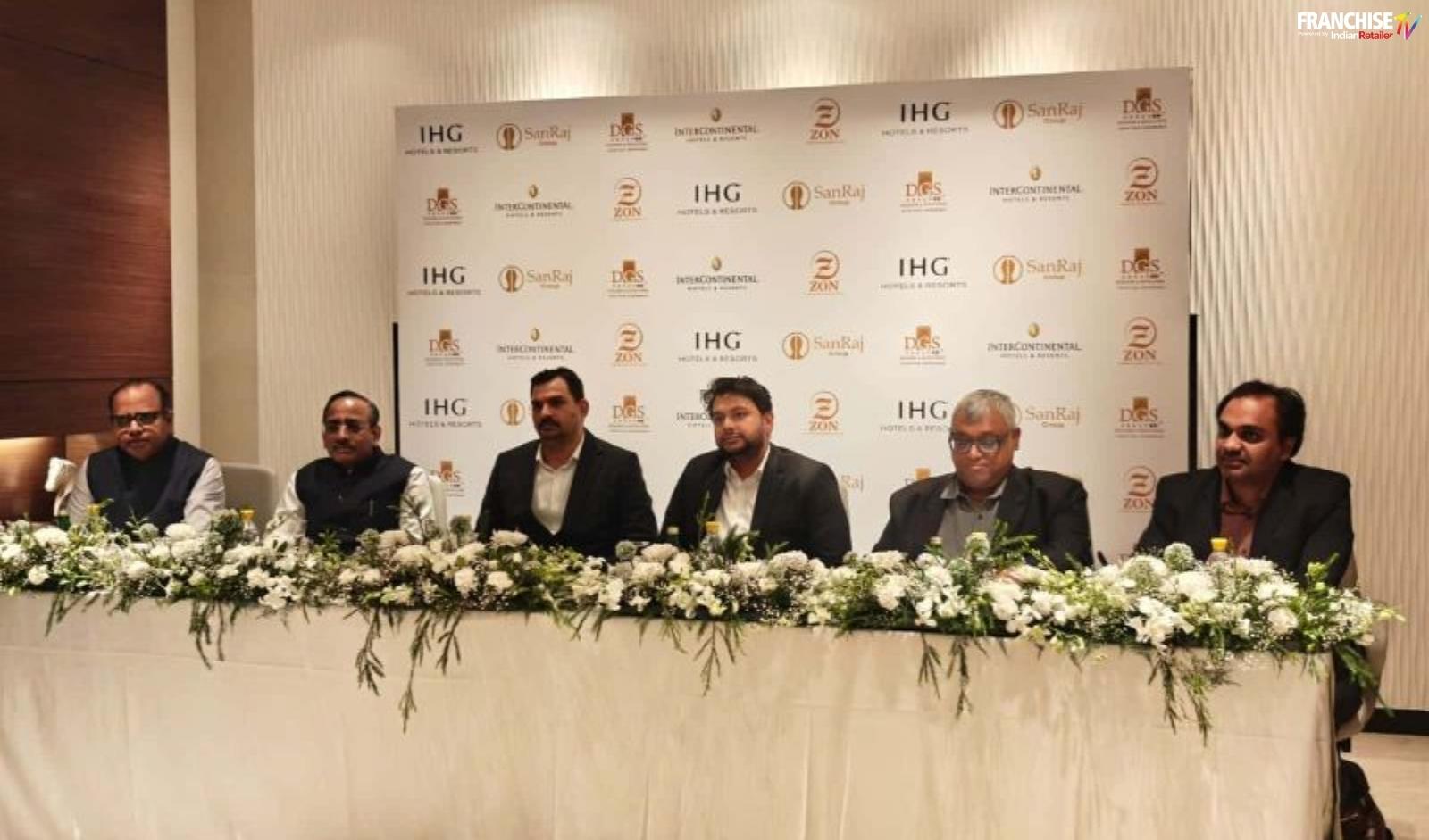
Mumbai Western Suburbs To Gain Premium Hotel Asset
Mumbai’s hospitality landscape is poised for expansion after Zon Hotels Mumbai Pvt Ltd signed a non-binding Memorandum of Understanding (MoU) with global operator IHG Hotels & Resorts for a new luxury hotel development in the city’s western suburbs. The move marks a strategic push by international hotel brands into India’s commercial capital, targeting growth in upscale travel demand and supporting the city’s evolving infrastructure and business services ecosystem.
The proposed project, envisioned as a 350-room luxury property, is intended to leverage Mumbai’s Western Region fringe — an area increasingly anchored by corporate offices, premium residential spaces and transport connectivity enhancements. According to industry observers, this segment has seen rising demand from both business travellers and leisure visitors, driven by improved access and the city’s reputation as a finance and entertainment hub.Under the MoU, the parties will proceed to a definitive hotel management agreement after completing diligence, planning and statutory approvals. Zon Hotels Mumbai, a joint venture backed by SanRaj Group and DGS Group, is positioning the development to meet the expectations of discerning global visitors while capitalising on IHG’s international brand recognition and operational expertise.
For Mumbai’s broader hospitality market, this agreement reflects a notable trend: international chains are intensifying their footprint in high-growth urban micro-markets beyond traditional tourist nodes. Experts say this pattern is driven by robust corporate travel, an uptick in Meetings, Incentives, Conferences and Exhibitions (MICE) demand, and a post-pandemic rebound in premium leisure travel. IHG’s wider strategic push to expand its presence in India, with plans to grow its portfolio to more than 400 hotels in the medium term, underscores the significance of such partnerships.Urban economists note that branded luxury hotels can have ripple effects on local economies. They support job creation across hospitality value chains — from construction through long-term operations — and strengthen urban service infrastructure by anchoring ancillary businesses like restaurants, retail and events. In Mumbai, where space constraints and real estate values are high, well-executed hotel projects can also catalyse precinct-level regeneration. Observers point to the Western Region’s rising profile as a commercial destination and its alignment with both domestic and international travel patterns.
However, transitioning from an MoU to a fully funded, operational asset involves challenges. Developers must navigate land-use approvals, financing conditions and rising construction costs, while ensuring environmental and community impacts are carefully managed. Urban planners say that integrating large-scale hotel projects with public transport links, waste management systems and energy efficiency standards is crucial for sustainable, resilient urban growth.
For travellers and businesses alike, the potential arrival of an IHG-branded luxury hotel in Mumbai’s western suburbs could broaden the city’s accommodation spectrum, enhance global competitiveness and support the region’s economic dynamism. As the partnership progresses toward formal agreements and ground-breaking, stakeholders will be watching how this development dovetails with broader goals for climate-responsible urban hospitality infrastructure.