


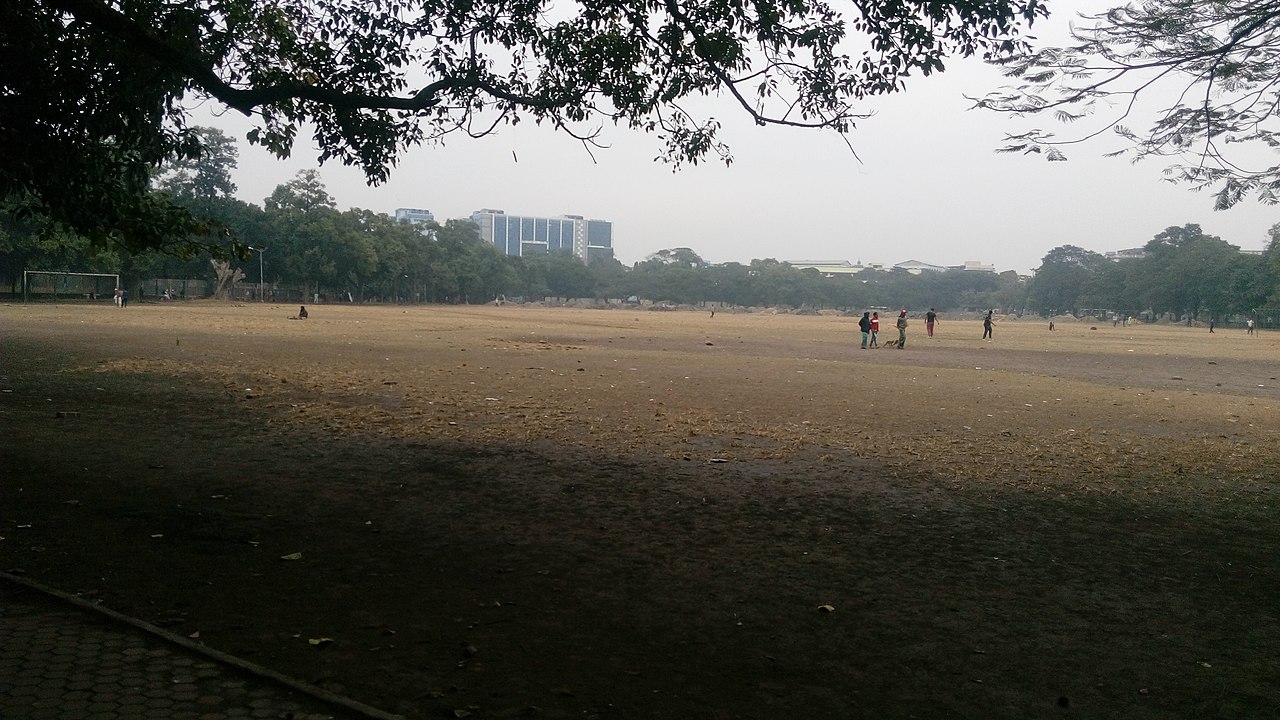
Several of Kolkata’s most frequented public parks and open grounds are slipping into visible neglect, raising fresh questions about urban governance, public health and the city’s capacity to protect shared civic assets. Once relied upon as everyday recreational spaces, key green pockets across central and south Kolkata are now routinely strewn with waste, construction debris and unmanaged dumping, undermining their role in a dense, climate-vulnerable metropolis.
Urban planners note that Kolkata’s urban parks perform a function far beyond leisure. In neighbourhoods with limited private open space, they act as informal cooling zones, social infrastructure for women, children and senior citizens, and ecological buffers against flooding and heat stress. When such spaces deteriorate, the costs are borne disproportionately by lower-income residents who depend on free, accessible public land for daily use. Civic officials acknowledge that waste accumulation in open grounds is partly driven by gaps in enforcement and fragmented responsibility between municipal departments. Parks maintained by one agency often border roads or vacant plots overseen by another, allowing debris to collect unchecked. Seasonal surges in construction activity and informal vending further strain already stretched cleaning schedules, according to municipal insiders.
From an economic perspective, the decline of Kolkata urban parks has broader implications for real estate and local commerce. Property consultants point out that proximity to functional green spaces consistently supports residential values and neighbourhood stability. Conversely, poorly maintained parks depress footfall, discourage informal livelihoods such as morning vendors and erode investor confidence in surrounding precincts. Environmental experts also warn that unmanaged dumping reduces soil permeability and blocks natural drainage channels, heightening flood risk during intense monsoon spells. As climate events become more frequent, the neglect of open spaces weakens Kolkata’s adaptive capacity at precisely the time when resilient urban design is most needed.
Citizens’ groups have repeatedly flagged that the issue is less about funding and more about prioritisation. Comparable Indian cities have begun integrating park maintenance with decentralised waste management, community stewardship models and transparent service-level benchmarks. Kolkata’s challenge lies in aligning daily civic operations with long-term urban resilience goals rather than treating parks as cosmetic amenities. Urban governance specialists suggest that clearer accountability frameworks, routine audits of public spaces and data-led maintenance planning could reverse the trend. Integrating parks into ward-level climate and public health strategies would also elevate their status within municipal decision-making. As Kolkata continues to densify, the condition of its urban parks will increasingly signal how effectively the city balances growth with liveability. Restoring these shared spaces is not merely about cleanliness; it is about safeguarding inclusive urban infrastructure that supports social equity, environmental resilience and sustainable economic activity.
Also read: Navi Mumbai Business Parks Lead Plastic Recyclothon Initiative
Kolkata Green Spaces Struggle With Civic Neglect
