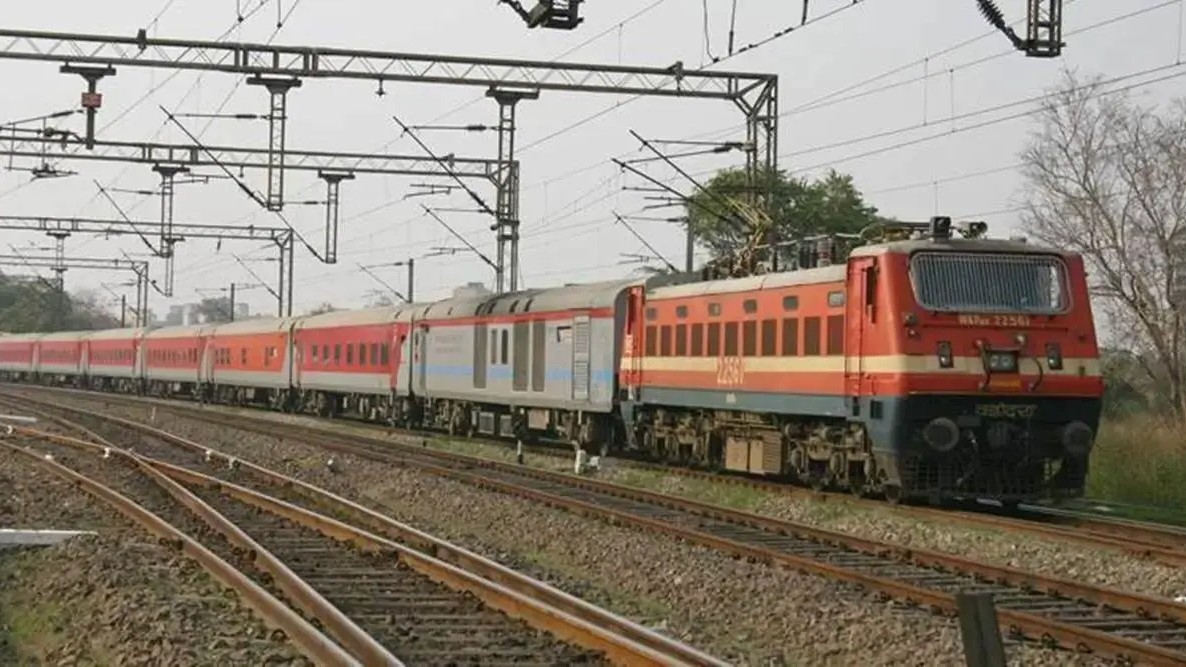
Pune’s rail connectivity with northern India is set to remain stronger through February as Central Railway extends a weekly long-distance special service linking Haryana’s Hisar with the Pune metropolitan region. The decision, aimed at managing seasonal passenger demand, underlines the continuing pressure on inter-city rail corridors that serve migrant workers, defence-linked settlements, and emerging industrial zones around Khadki and Pimpri-Chinchwad.The extended operations will see four additional round trips added to the existing weekly special service, allowing the train to continue running on its current route, timetable, and halt pattern. Railway officials indicated that the move responds to sustained occupancy levels and advance booking trends typically seen during late winter, when work-related and family travel peaks across north–west and western India.
Khadki, which lies within Pune’s growing defence–industrial belt, is a critical rail node for personnel movement, small manufacturers, and informal sector workers. Improved frequency on long-haul routes such as Hisar–Pune helps ease congestion on alternative modes while supporting more affordable and lower-carbon mobility for long-distance travellers.Transport planners point out that special trains, while temporary by definition, often reveal structural gaps in regular rail scheduling. “When a weekly special runs consistently full, it signals unmet baseline demand,” said an urban mobility expert familiar with railway capacity planning. “That has implications for future timetable rationalisation, station upgrades, and rolling stock allocation.”
Bookings for the newly added February services are set to open at the end of January through the Passenger Reservation System and the national online ticketing platform. Railway officials have advised passengers to review station-wise timings and intermediate stops before travel, particularly as special services may differ subtly from regular long-distance expresses. From an urban sustainability perspective, the extension also highlights railways’ role in reducing dependence on long-distance road travel. Rail remains significantly more energy-efficient per passenger kilometre than buses or private vehicles, especially on cross-regional routes spanning multiple states. Continued investment in reliable long-haul services supports broader climate and congestion reduction goals for cities like Pune, which face mounting pressure on roads and peri-urban infrastructure.
For Pune’s economy, enhanced connectivity with northern manufacturing and agricultural regions strengthens labour mobility and informal trade flows. Areas around Khadki station, already witnessing incremental commercial and rental activity, benefit from predictable passenger movement, supporting small businesses and local services. Looking ahead, transport analysts suggest that repeated extensions of special trains should feed into data-driven planning for permanent services. As Indian cities expand outward and inter-regional migration patterns evolve, aligning rail capacity with real travel behaviour will be essential to building resilient, inclusive, and sustainable urban transport networks.