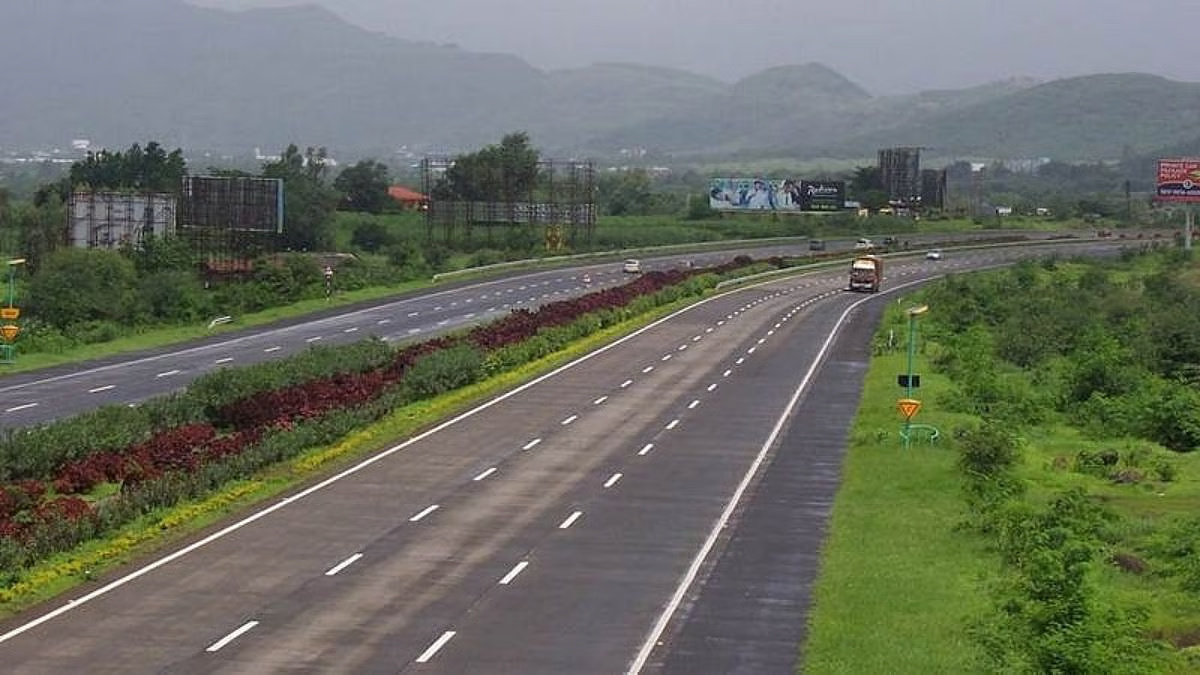
The Maharashtra State Road Development Corporation (MSRDC) has officially scrapped plans to introduce an air ambulance service along the Pune-Mumbai Expressway, citing geographic and financial limitations. The decision means accident victims will continue to rely on road transport for emergency medical care despite the expressway’s status as one of the state’s busiest and most accident-prone corridors.
The air ambulance proposal was initially explored in 2016 following a submission by a private operator. It aimed to provide rapid medical response to severe accidents, particularly along the expressway’s winding ghat sections where road congestion and terrain delays can hinder timely care. However, MSRDC officials determined that the lack of suitable landing zones and the hilly, curved stretches of the highway would make helicopter operations impractical. Operational costs were projected at nearly ₹5 lakh per hour, further challenging the feasibility of the plan. A senior MSRDC official explained that seasonal factors would also affect air ambulance viability. Fog during winter months and heavy monsoon rainfall would limit flight operations, creating potential risks for patients and crew. The agency concluded that strengthening on-ground medical infrastructure would deliver more reliable outcomes for accident response.
In lieu of air-based services, MSRDC is focusing on upgrading trauma care centres along the expressway. These facilities are being equipped with advanced medical technology to ensure accident victims receive timely interventions, even in remote stretches. Industry analysts note that investing in fixed-location emergency infrastructure is often more sustainable and cost-effective than deploying air services, particularly in geographically challenging regions. Data from the Highway Traffic Police and MSRDC indicate that accident rates on the expressway have declined in recent years. In 2024, 66 accidents resulted in 82 fatalities, while 2025 saw 54 incidents causing 61 deaths. Authorities attribute this reduction to the deployment of an Intelligent Traffic Management System (ITMS) combined with AI-driven CCTV surveillance, which have improved monitoring and emergency coordination. Urban planners emphasise that such technological measures complement infrastructure upgrades, collectively enhancing roadway safety.
While air ambulances have been implemented on other highways in India, experts highlight that their operational success depends on a combination of suitable landing zones, predictable weather, and consistent patient volume. The Pune-Mumbai Expressway’s terrain and seasonal conditions, coupled with high operating costs, present structural barriers that make helicopter-based emergency response impractical at present. MSRDC officials maintain that with strengthened trauma centres, improved surveillance, and better traffic management, the expressway’s emergency response system can deliver timely care without the need for airborne services. As a next step, urban planners and highway authorities are likely to monitor accident trends and consider scalable solutions that balance cost, accessibility, and patient outcomes.
MSRDC Rules Out Expressway Air Ambulance Option