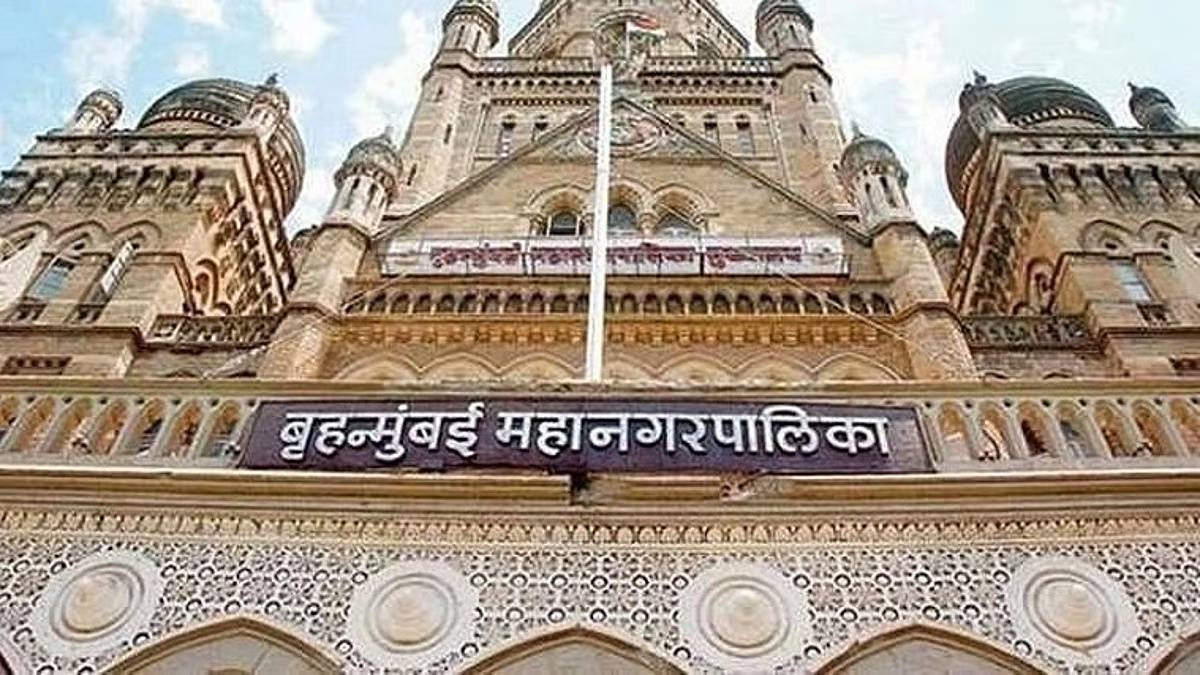
Mumbai’s civic administration has initiated a new phase of workforce housing aimed at improving living conditions for sanitation workers, signalling a gradual shift towards more inclusive urban development. Under the second phase of the Ashray Yojana, the municipal body has invited tenders to construct a large residential complex in Chembur, reinforcing the role of affordable housing as essential urban infrastructure rather than a welfare add-on.
The proposed project involves the construction of 580 compact residential units along a major arterial road in eastern Mumbai. Each home will have a carpet area of about 300 square feet and will be developed using prefabricated construction technology. Civic officials indicate that this method has been selected to reduce construction time, improve build quality, and minimise disruption in a densely populated neighbourhood. Urban planners point out that sanitation workers form the backbone of Mumbai’s public health system, yet many continue to live in ageing, substandard quarters scattered across the city. Several of these housing blocks were built decades ago and no longer meet present-day safety, sanitation, or climate resilience norms. Redevelopment under the Ashray Yojana is intended to address this structural gap while keeping workers close to their existing places of work.
As part of the broader programme, dozens of municipal residential colonies across multiple city wards have already been identified for phased redevelopment. These sites are being prioritised based on structural condition, service infrastructure, and land optimisation potential. According to officials familiar with the housing plan, the Chembur project is among the largest single-location redevelopments under the scheme’s second phase. Housing experts say the use of a lottery-based allotment system for eligible workers is meant to ensure transparency and fairness, particularly in a city where access to formal housing remains deeply unequal. By retaining public ownership of the land and focusing on non-market housing, the project also avoids speculative pressures that often accompany redevelopment in well-connected urban areas.
From a sustainability perspective, compact housing near transport corridors reduces commute distances, lowers household transport costs, and supports more efficient use of city infrastructure. Prefabricated construction, when executed properly, can also reduce material waste and shorten on-site construction periods, contributing to lower environmental impact. The initiative comes at a time when Mumbai is reassessing how public housing fits into its long-term growth strategy. Urban economists argue that investing in dignified housing for essential service workers delivers indirect economic benefits by improving workforce stability, public health outcomes, and service efficiency.
Once construction timelines and contractor appointments are finalised, the Chembur housing project is expected to set the pace for similar redevelopments across the city. For sanitation workers and their families, it represents more than new homes—it marks a step towards safer, healthier living environments integrated into the city’s formal urban fabric.
Mumbai Plans New Housing For Sanitation Workforce