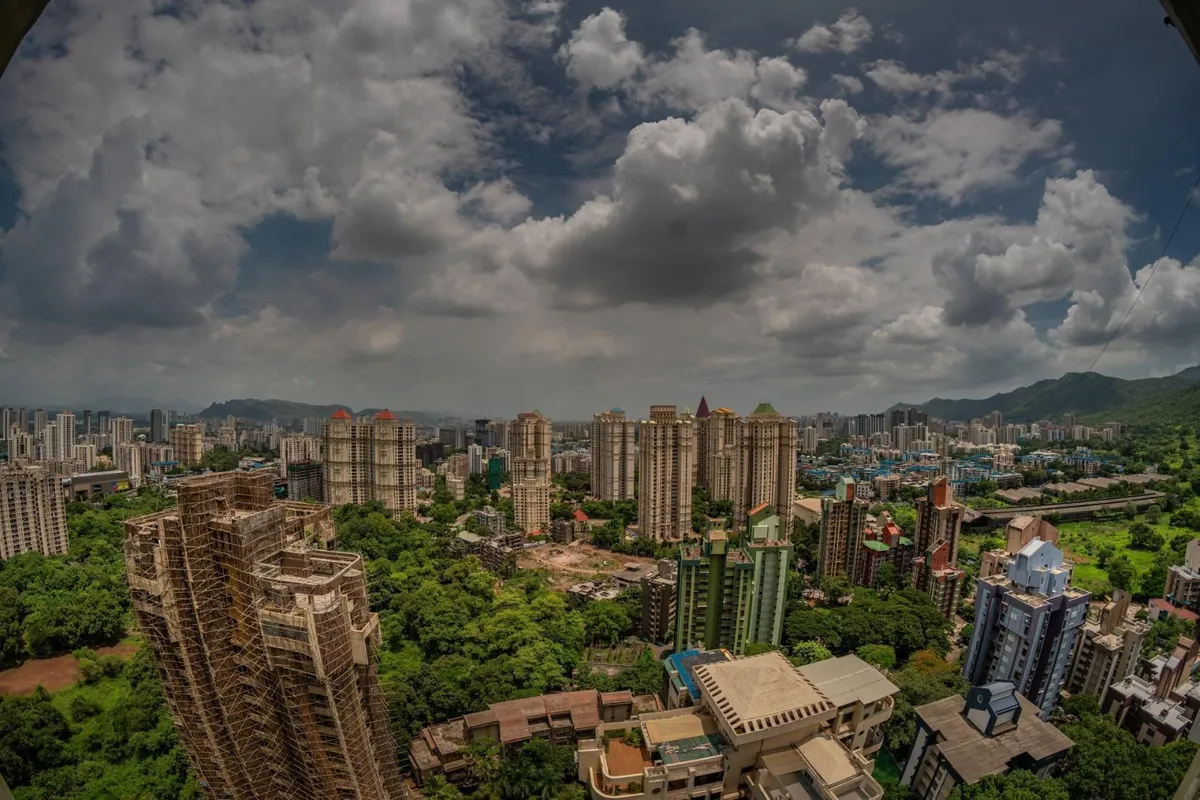
Thane civic leadership realignment after Kalyan‑Dombivli and Ulhasnagar elections reshapes local governance, coalition dynamics and urban service delivery in key metropolitan nodes.
The political landscape shaping Mumbai’s extended metropolis registered a significant inflection this week as major parties formalised leadership rosters in the newly constituted municipal corporations of Kalyan‑Dombivli and Ulhasnagar in Thane district. These appointments mark a critical transitional phase for civic administration after the 2025‑26 elections and carry implications for governance priorities, coalition politics and the delivery of essential services in rapidly urbanising jurisdictions.
In Kalyan‑Dombivli Municipal Corporation (KDMC) — where no single party commands an outright majority — political negotiations have taken centre stage. The Bharatiya Janata Party (BJP), with a substantial bloc of elected representatives, has designated a veteran councillor as its group leader. At the same time, alliance partners and rival entities, including the Shiv Sena (Shinde faction) and allied smaller parties, are positioning for control of key posts such as mayor and standing committees. Combined support from Maharashtra Navnirman Sena (MNS) has bolstered the alliance prospects, but party strategists say the final administrative configuration will hinge on negotiated power‑sharing. In Ulhasnagar Municipal Corporation (UMC), the BJP emerged as the largest individual party with its best‑ever seat tally, and has appointed its district president as the group leader of its council members. Yet political fluidity persists: rival factions, particularly the Shiv Sena and local allied groups, also command a strong seat count and are exploring paths to lead the civic administration. This period of post‑poll negotiations underscores the interplay between electoral performance and coalition realpolitik in urban governance.
Urban planners and political economists suggest these developments matter beyond party symbolism. Municipal corporations in India’s expanding metropolis are pivotal to infrastructure delivery, housing regulation, environmental management and resilience planning. A cohesive leadership at KDMC and UMC will determine the pace of critical initiatives — such as decentralised solid‑waste systems, low‑emission transportation frameworks, and inclusive urban development strategies — that directly affect residents’ quality of life. Fragmented or adversarial governance, conversely, can slow decision‑making and delay infrastructure investment at a time when both cities grapple with rapid urban expansion. Experts note that with mixed mandates in both corporations, corporate houses and policy stakeholders must adapt to potentially protracted negotiations over budgets, urban services and capital projects.
Economic watchers point out the broader context: municipal leadership stability influences investor confidence in local real estate and commercial development markets. Developers and financiers in the Kalyan‑Dombivli and Ulhasnagar corridors have been monitoring civic outcomes closely, as regulatory clarity and predictable permitting processes are crucial for project timelines. Moreover, civic bodies with clear leadership are more likely to engage in public‑private partnerships for climate‑resilient infrastructure — such as stormwater management and green public spaces — essential for sustainable urban growth.
As municipal alliances take shape and leadership roles are formalised, stakeholders warn that governance coherence and transparent budget allocations should be tracked closely by citizens and civil society alike. The next few weeks will be decisive for setting administrative agendas that could shape the trajectory of urban service delivery and economic growth in these fast‑evolving urban nodes.