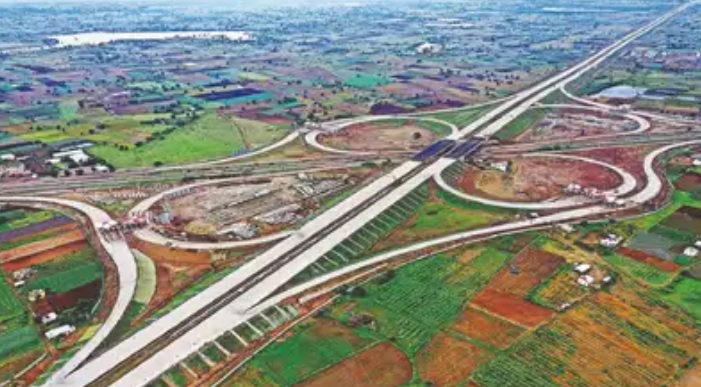
Maharashtra Cabinet Clears Strategic Urban Transport Corridor Plans
Maharashtra’s state leadership has fast‑tracked a suite of infrastructure projects aimed at enhancing regional connectivity, urban mobility and economic integration across the state, following approval from the cabinet’s infrastructure committee chaired by Chief Minister Devendra Fadnavis. The decisions span major transport corridors, local road networks and institutional modernisation, reflecting a strategic drive to support sustainable urban growth and economic diversification.
At the forefront of the approvals is Metro Line‑8, a 35‑kilometre rapid transit corridor designed to link Chhatrapati Shivaji Maharaj International Airport (CSMIA) in Mumbai with the upcoming Navi Mumbai International Airport. With a mix of underground and elevated segments serving 20 stations, the project is expected to significantly reduce travel time between the two aviation hubs and integrate with existing metro lines, supporting the Mumbai Metropolitan Region’s long‑term mobility framework. Another cornerstone of the infrastructure push is the 66‑kilometre Nashik City Ring Road, sanctioned to improve intra‑city circulation and prepare for large‑scale events such as the upcoming Kumbh Mela. By diverting through‑traffic away from central urban zones, this ring road aims to ease congestion and unlock peripheral land for equitable development.
In eastern Maharashtra, the cabinet approved the revised alignment of an 85.76‑kilometre four‑lane highway in Gadchiroli district to support efficient mineral transport — a key economic driver in tribal and resource‑rich hinterlands. By reserving corridor space for future energy infrastructure, planners are seeking to embed multi‑modal utility alongside transport, which can attract industrial investment while connecting remote communities to broader markets. Beyond transportation arteries, the state green‑lit initiatives with direct implications for human capital and contractor ecosystems. The cabinet’s modernisation plan for Industrial Training Institutes (ITIs) in Nagpur, Pune and Chhatrapati Sambhaji Nagar under the PM Setu scheme is structured to address the skills gap in construction and technical trades, aligning workforce capabilities with the demands of emerging infrastructure.
Financial infrastructure also received attention: the adoption of the Trade Receivables Discounting System (TReDS)platform will streamline payment flows for micro, small and medium enterprises (MSMEs) and Public Works Department (PWD) contractors. This digital payment ecosystem is expected to enhance liquidity, reduce working capital constraints and boost confidence among local suppliers engaged in state projects. Urban planners and economic analysts note that these approvals dovetail with Maharashtra’s ambition to transition into an integrated and resilient urban economy, emphasising connectivity, logistics efficiency and workforce readiness. However, translating project approvals into on‑ground impact will hinge on timely land acquisition, environmental compliance and sustained public financing mechanisms — all critical to meeting projected timelines and ensuring inclusive benefits across demographic segments.
As execution phases begin, attention will shift to how these projects influence metropolitan accessibility, regional equity and long‑term sustainability in one of India’s most dynamic states.