


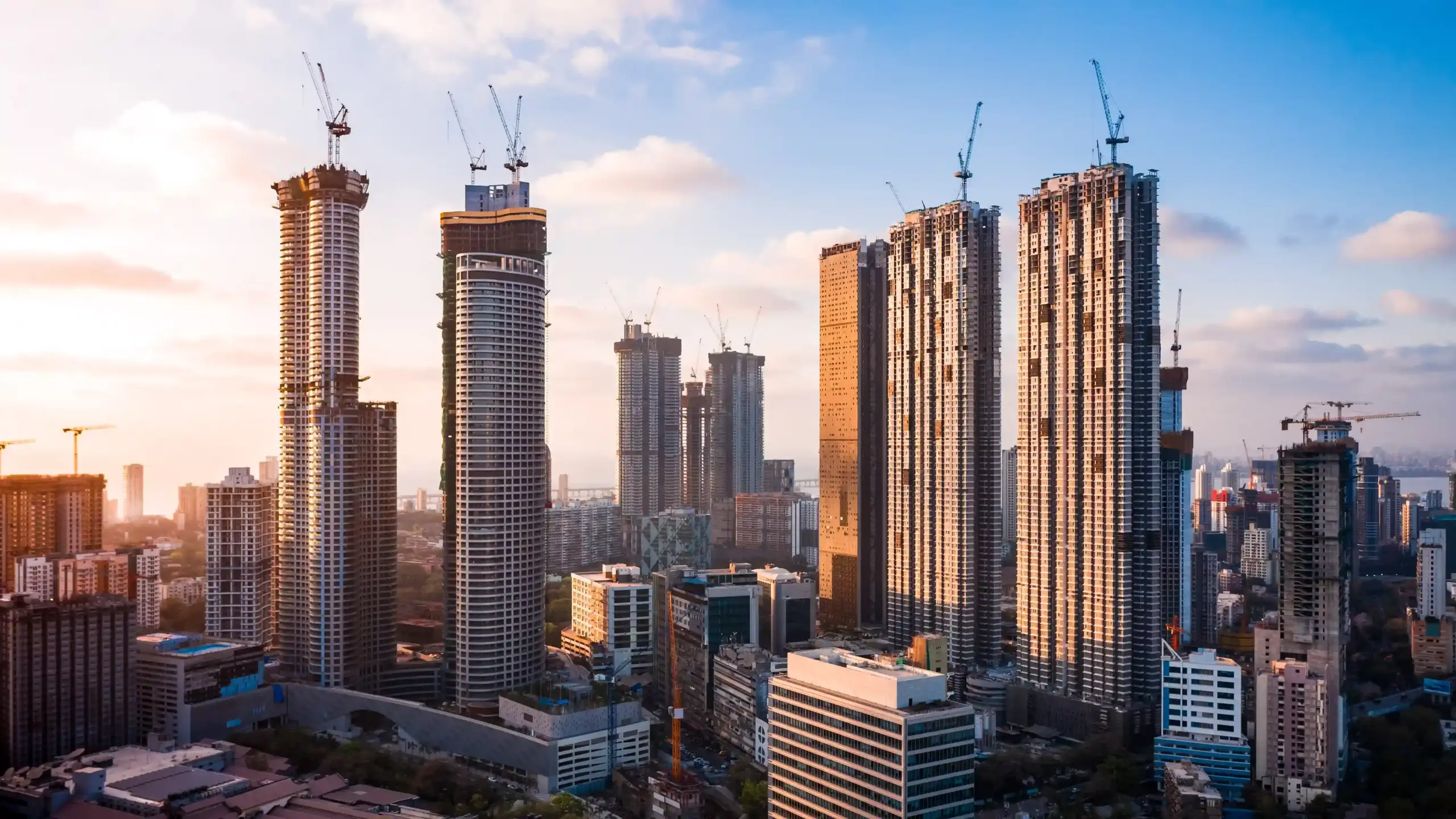
Mumbai’s redevelopment landscape is witnessing a shift towards more structured, multi-investor ownership models, as developers and financial investors collaborate to unlock value in land-constrained urban precincts. In a recent transaction, a city-based real estate developer has acquired a minority stake in a special purpose entity formed for a Mumbai redevelopment project, signalling growing confidence in infill-led urban regeneration.
According to publicly available filings, the developer has acquired a 29.42% interest in a limited liability partnership created to execute a redevelopment project within the Mumbai metropolitan region. The partnership structure also includes participation from an alternative investment fund and a gaming and hospitality-linked corporate entity, reflecting the increasingly diverse sources of capital entering Mumbai’s real estate ecosystem. Urban planners say such joint ventures are becoming more common as redevelopment projects grow in scale and complexity. With most redevelopment sites located in dense, built-up neighbourhoods, projects often involve prolonged approval timelines, stakeholder negotiations, and phased construction. Sharing equity and risk across multiple partners allows developers to preserve balance sheet flexibility while ensuring adequate funding through the project lifecycle. Mumbai’s redevelopment pipeline has expanded sharply over the past decade, driven by ageing building stock, limited greenfield land, and policy incentives encouraging urban renewal. Industry estimates suggest that over half of the city’s residential buildings are more than 30 years old, creating sustained demand for redevelopment-led housing supply. However, rising construction costs and tighter regulatory scrutiny have made single-developer execution increasingly challenging.
The inclusion of an alternative investment fund in the partnership points to sustained institutional interest in redevelopment assets, particularly those offering predictable absorption and long-term rental or sales visibility. Financial investors typically favour redevelopment projects in established neighbourhoods due to lower market risk, strong end-user demand, and proximity to transit and employment hubs. Experts note that such capital structures can also influence project outcomes for residents. When financing risks are diversified, developers are better positioned to adhere to construction timelines and rehabilitation commitments, a recurring concern in Mumbai’s redevelopment history. However, planners caution that transparent governance and clear accountability mechanisms remain critical to ensuring resident interests are protected. From an urban development perspective, redevelopment remains central to Mumbai’s sustainability goals. By rebuilding within existing footprints, the city can increase housing supply without expanding its urban boundary, reduce pressure on peripheral ecosystems, and support transit-oriented growth. Modern redevelopment projects are also increasingly required to integrate energy-efficient design, improved waste management, and enhanced open spaces.
As Mumbai continues to balance growth with resilience, the growing use of multi-party redevelopment vehicles reflects a maturing real estate market adapting to financial, regulatory, and social realities. Analysts expect similar structured investments to accelerate across the metropolitan region, particularly in locations aligned with metro corridors and upcoming infrastructure upgrades.
Also Read: Mumbai Pune Property Deals Reflect Portfolio Strategy
Mumbai Redevelopment Projects Attract Institutional Capital
