


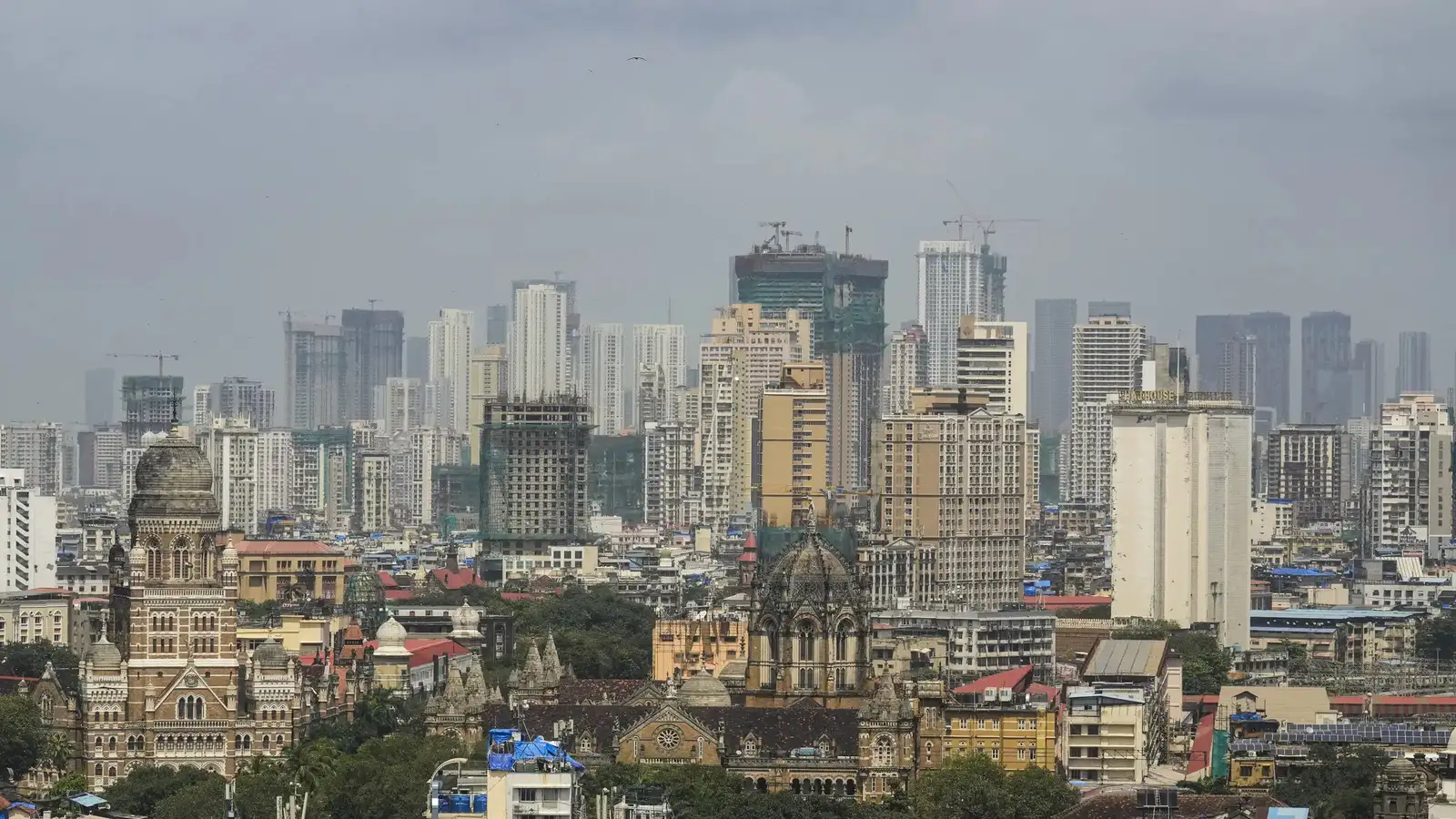
The Mumbai Metropolitan Region (MMR) is positioning itself for a new phase of long-term, infrastructure-led growth following a strategic investment facilitation arrangement involving a major private developer and the region’s two key planning authorities. The collaboration aims to channel large-scale domestic and international capital into commercial real estate, logistics, and urban infrastructure over the coming decade, signalling a renewed push to strengthen Mumbai’s economic backbone beyond its traditional core.
The agreement, formalised during a global investment forum earlier this week, brings together the Mumbai Metropolitan Region Development Authority (MMRDA), the City and Industrial Development Corporation (CIDCO), and a private real estate platform with experience in institutional asset creation. Officials familiar with the discussions said the initiative is designed less as a single project pipeline and more as a framework to coordinate land, approvals, and capital for complex, multi-asset developments across the region. Urban planners note that the scale and structure of the proposed investment facilitation reflects a shift in how Indian city-regions are courting capital. Rather than fragmented, project-by-project approvals, the emphasis is increasingly on creating predictable, long-horizon investment environments that appeal to pension funds, sovereign investors, and climate-aligned capital. In the Mumbai region, this approach is expected to focus on office districts, mixed-use developments, logistics and industrial parks, data centres, and associated civic infrastructure. MMRDA’s role will centre on spatial coordination, transport integration, and planning clearances across its jurisdiction, while CIDCO is expected to anchor land assembly and regulatory processes, particularly in Navi Mumbai. Officials indicated that Navi Mumbai’s proximity to the upcoming international airport, combined with planned rail and metro connectivity, makes it a priority zone for commercial and infrastructure-led development rather than purely residential expansion.
Industry experts say the emphasis on diversified asset classes is critical at a time when India’s real estate market is being reshaped by global capability centres, digital infrastructure demand, and supply-chain realignment. Purpose-built offices, energy-efficient logistics facilities, and data centres are increasingly viewed as urban infrastructure assets rather than conventional real estate, with implications for employment, land use, and carbon footprints. The investment framework is also expected to have a significant labour impact. Estimates shared by officials suggest that construction, operations, and allied services could generate several lakh direct and indirect jobs over the lifecycle of the developments. Urban economists caution, however, that translating capital inflows into inclusive growth will depend on execution, last-mile infrastructure, and alignment with public transport and housing availability. From a governance perspective, the collaboration highlights a growing recognition that metropolitan regions require coordinated institutional mechanisms to manage scale. Mumbai’s future competitiveness, planners argue, will depend not only on attracting capital but on ensuring that growth is climate-resilient, transit-oriented, and balanced across the region rather than concentrated in already saturated zones.
As project identification and phasing begin ahead of the next financial year, the effectiveness of this framework will be closely watched by investors, civic bodies, and residents alike. For the Mumbai Metropolitan Region, the challenge now lies in converting intent into infrastructure that supports economic vitality while improving everyday urban life.
Also Read: Ahmedabad Vadodara Rajkot Face Colder Nights
Mumbai Metropolitan Region Targets New Capital Flows
