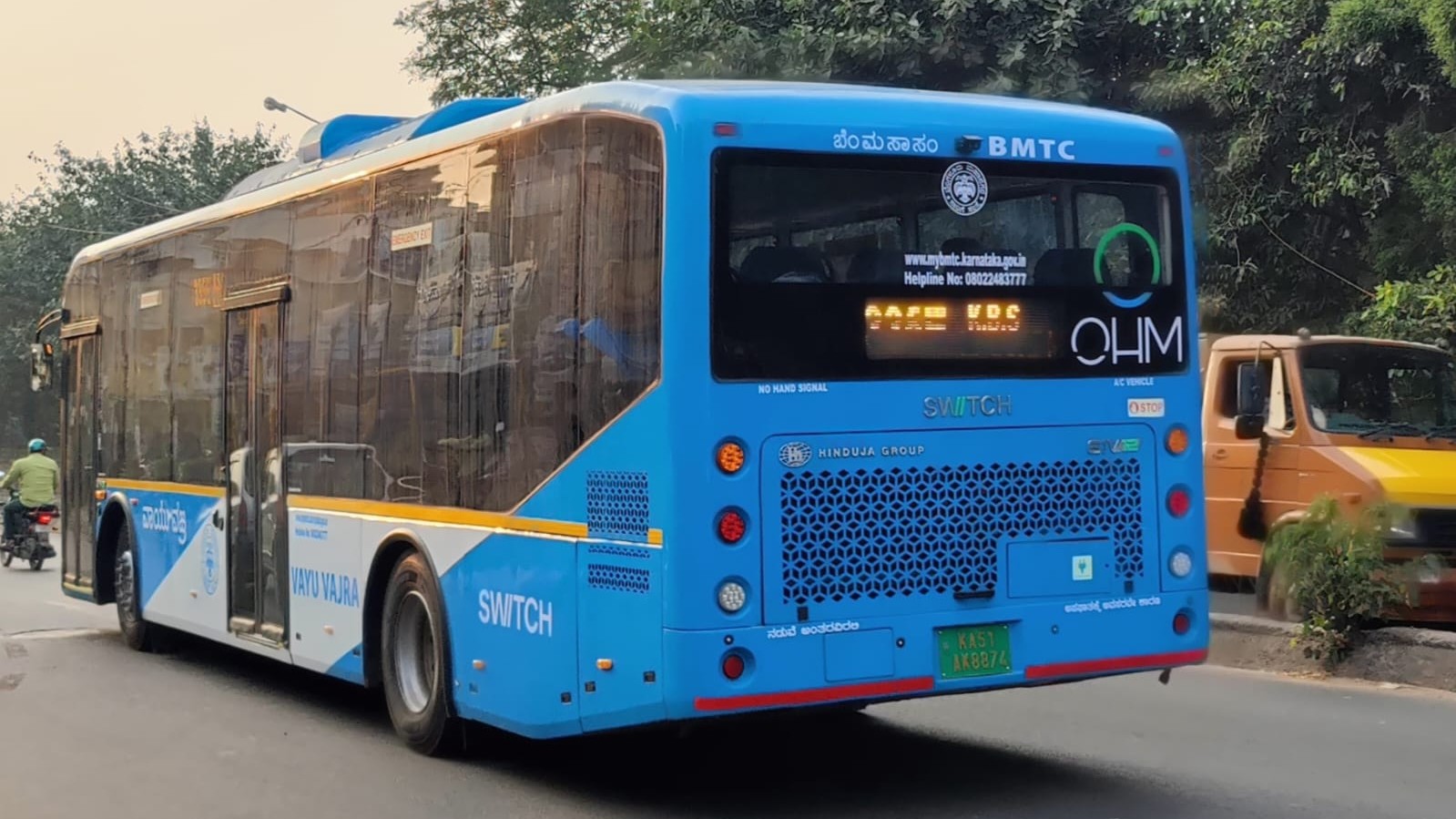
Bengaluru Electric Buses Scale Up Public Transport
Bengaluru is set to take a significant step toward low-emission urban mobility with the planned induction of 1,750 electric buses under the Union government’s PM E-Drive programme, accounting for nearly two-fifths of the city’s total allocation under the scheme. The deployment strengthens the city’s public transport electrification push at a time when congestion, air quality, and climate resilience have become pressing civic concerns.
The buses will be introduced through a partnership between a domestic electric vehicle manufacturer and a large private transport operator with experience in city and inter-city bus services. Together, the fleet addition represents around 39 per cent of Bengaluru’s proposed 4,500 electric buses sanctioned under the national programme, making it one of the largest single allocations within the city’s clean mobility roadmap. Urban transport planners say the scale of the rollout is critical for Bengaluru, where buses remain the backbone of daily mobility for lakhs of commuters. While metro expansion continues, buses continue to serve dense residential neighbourhoods, peripheral employment zones, and last-mile connections. Electrifying a substantial share of this network is expected to reduce tailpipe emissions, lower noise pollution, and cut long-term operating costs for the public transport system.
The city’s transport utility has steadily expanded electric bus operations over recent years, aligning with Karnataka’s broader clean mobility policy and India’s national decarbonisation targets. Industry experts note that moving from pilot deployments to large fleet induction marks a transition from experimentation to systems-level change. With Bengaluru electric buses now being deployed at scale, the focus is shifting toward operational reliability, charging infrastructure, and depot readiness. The private operator involved currently manages thousands of buses across multiple states and has outlined plans to transition a quarter of its overall fleet to electric over the next few years. To support this shift, investments are being made in charging facilities, preventive maintenance systems, battery performance monitoring, and specialised driver training. Transport analysts say such operational preparedness will be crucial to avoid service disruptions and ensure commuter confidence.
From a manufacturing perspective, the project strengthens India’s growing electric commercial vehicle ecosystem, which increasingly relies on global technology partnerships alongside domestic supply chains. This integration is expected to support job creation, skills development, and manufacturing scale-up within the country. Looking ahead, urban planners caution that fleet electrification alone will not solve Bengaluru’s transport challenges. Dedicated bus lanes, integrated ticketing, pedestrian-friendly access, and land-use planning must progress in parallel. Still, the latest expansion of Bengaluru electric buses signals a meaningful shift toward cleaner, more inclusive urban transport one that could set benchmarks for other Indian cities navigating similar transitions.