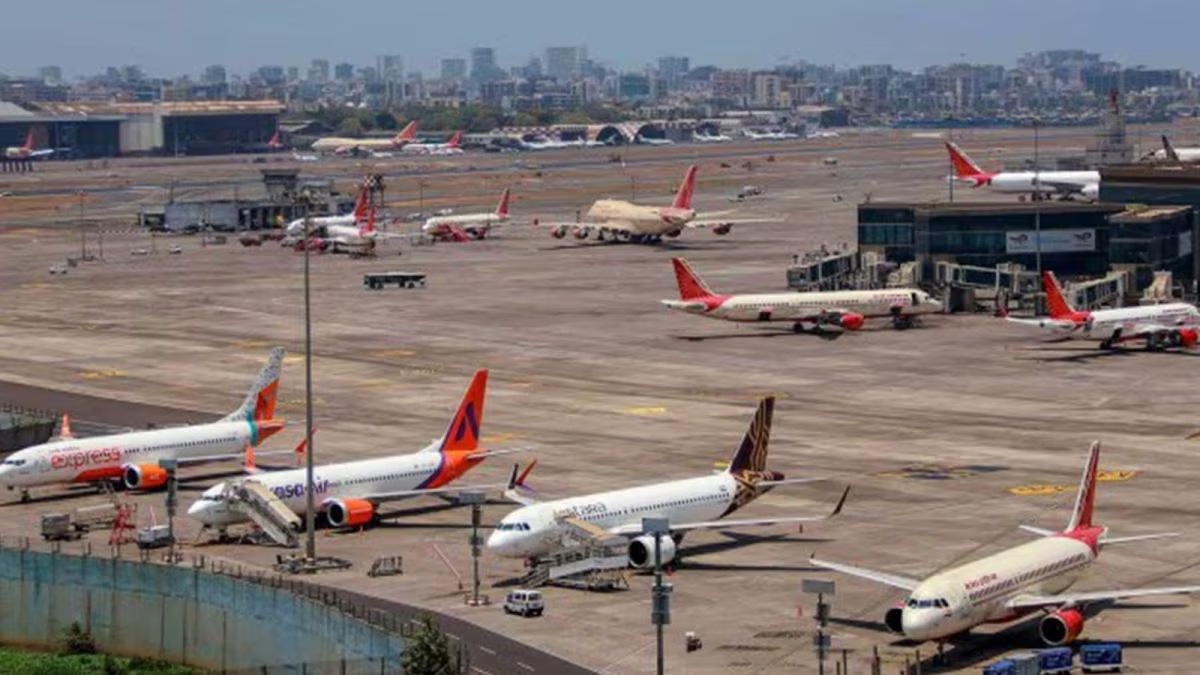
Pune’s airport has emerged as the highest-ranked Indian facility for passenger experience in two consecutive quarters of 2025, according to the Airports Council International’s global service quality assessment. While the result reinforces the city’s growing aviation role, it also exposes structural and governance challenges that matter for urban mobility, affordability, and long-term infrastructure planning. The airport secured the top domestic position in both the third and fourth quarters within its passenger volume category, outperforming 16 comparable Indian hubs. In the Asia-Pacific grouping, it remained within the top 60 globally across both quarters. The assessment is based on direct passenger feedback across more than 30 service indicators, including cleanliness, staff behaviour, wayfinding, security processing, retail value, and comfort.
From an urban development perspective, the achievement signals improving operational discipline at a facility that serves one of India’s fastest-growing metropolitan economies. Pune’s airport plays a critical role in supporting the region’s technology, manufacturing, education, and defence clusters, where dependable air connectivity directly affects business productivity and investment sentiment. However, deeper analysis of the same survey data reveals a more complex picture. Aviation analysts note that despite holding the top national rank, several passenger satisfaction indicators declined in the final quarter of the year. Areas such as seating availability at boarding gates, washroom upkeep, staff responsiveness, congestion during peak hours, and perceived value of food and beverage services registered weaker scores compared to the previous quarter.
For daily users, these issues translate into tangible discomfort. Flyers have flagged overcrowded waiting zones, limited seating during delays, and difficulties navigating landside transport connections after arrival. Urban planners point out that such pain points are not merely operational glitches but symptoms of infrastructure lag in a city where travel demand has outpaced terminal capacity and access design. The timing is particularly significant as airport charges are regulated through a national framework that considers service quality outcomes when approving future tariffs. Any upward revision in user fees, parking charges, or airline costs is ultimately passed on to passengers, raising concerns about affordability in a price-sensitive market. Transport economists argue that service rankings should not become a justification for higher charges unless backed by visible, user-centric improvements.
Airport authorities have indicated that expanded departure and security processing areas are scheduled to become operational in the next financial year. If executed effectively, these upgrades could ease congestion and improve passenger flow. Yet experts caution that physical expansion alone will not resolve systemic issues unless paired with better staffing models, inclusive design, multimodal access planning, and climate-responsive terminal management. As Pune positions itself as a future-ready metropolitan region, the conversation around Pune airport rankings must extend beyond trophies. Sustained excellence will depend on whether infrastructure investment keeps pace with demand, whether pricing remains equitable, and whether passenger experience is treated as a core element of urban quality of life rather than a compliance metric.