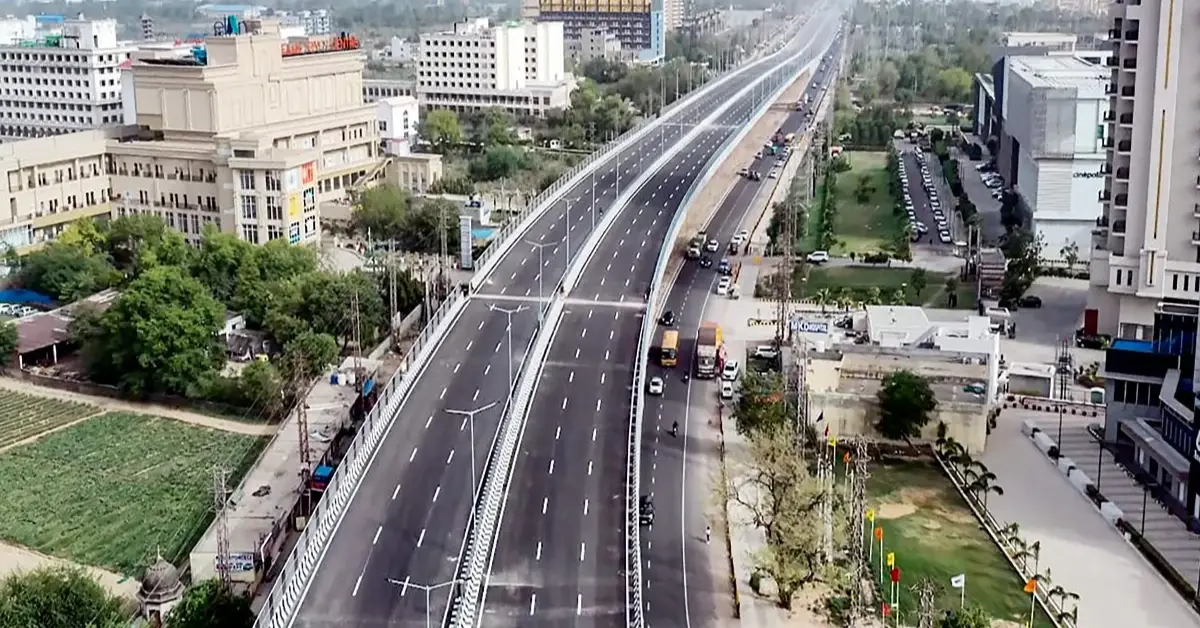
A decisive shift is underway in the National Capital Region’s real estate landscape, with South Gurugram consolidating its position as the most active and influential growth corridor. Once viewed as an extension market, the southern belt of the city is now shaping price discovery, housing absorption, and infrastructure-led development across NCR, signalling a structural change in how metropolitan expansion is unfolding.
Recent housing market data shows Gurugram emerging as the region’s strongest residential performer, with transaction values crossing the ₹1 lakh crore mark in 2024. Industry analysts attribute a substantial share of this momentum to South Gurugram, where improved connectivity, planned layouts, and large land parcels have attracted both end-users and long-term investors. Unlike earlier growth cycles driven by speculative buying, the current phase reflects demand anchored in occupation, employment proximity, and lifestyle infrastructure. The transformation has been catalysed by a series of transport projects that have altered travel times and accessibility metrics. The Southern Peripheral Road has strengthened east–west connectivity, linking emerging residential sectors to established business districts. Meanwhile, the Sohna elevated corridor integrated with the Delhi–Mumbai Expressway network has significantly reduced commute durations to key employment zones in Gurugram and Delhi.
Urban planners point to the operationalisation of the Dwarka Expressway as a defining moment. By providing uninterrupted access to the airport and the capital, the corridor has effectively redrawn the city’s growth boundaries. Areas once considered peripheral are now part of the metropolitan mainstream, enabling large-scale, master-planned developments that align with contemporary urban design principles. This connectivity-led expansion has reshaped the housing mix. South Gurugram has seen a pronounced tilt towards premium and luxury residential formats, with high-value apartments and gated communities dominating new supply. Market observers note that the South Gurugram real estate growth story is being driven largely by salaried professionals, senior corporate executives, and overseas Indians seeking secure, ready homes rather than short-term capital churn. This buyer profile has helped stabilise prices while supporting consistent absorption.
Capital appreciation trends reinforce the corridor’s emergence. Residential values across key southern sectors have more than doubled over the past five years, outpacing several established NCR micro-markets. Rental values have also climbed steadily, reflecting strong occupancy demand and the gradual evolution of a live–work–leisure ecosystem supported by schools, healthcare facilities, and neighbourhood retail. Looking ahead, upcoming commercial developments and public-sector investments including large mixed-use projects and social infrastructure are expected to deepen employment density and reduce long-term travel dependency. Urban economists argue that sustaining South Gurugram real estate growth will depend on balancing density with environmental capacity, public transport integration, and inclusive access to services. As NCR’s expansion becomes more polycentric, South Gurugram’s rise marks a shift from episodic real estate cycles to infrastructure-led urban consolidation one that could define the region’s growth trajectory well into the next decade.
Gurugram South Corridor Emerges As NCR Growth Core