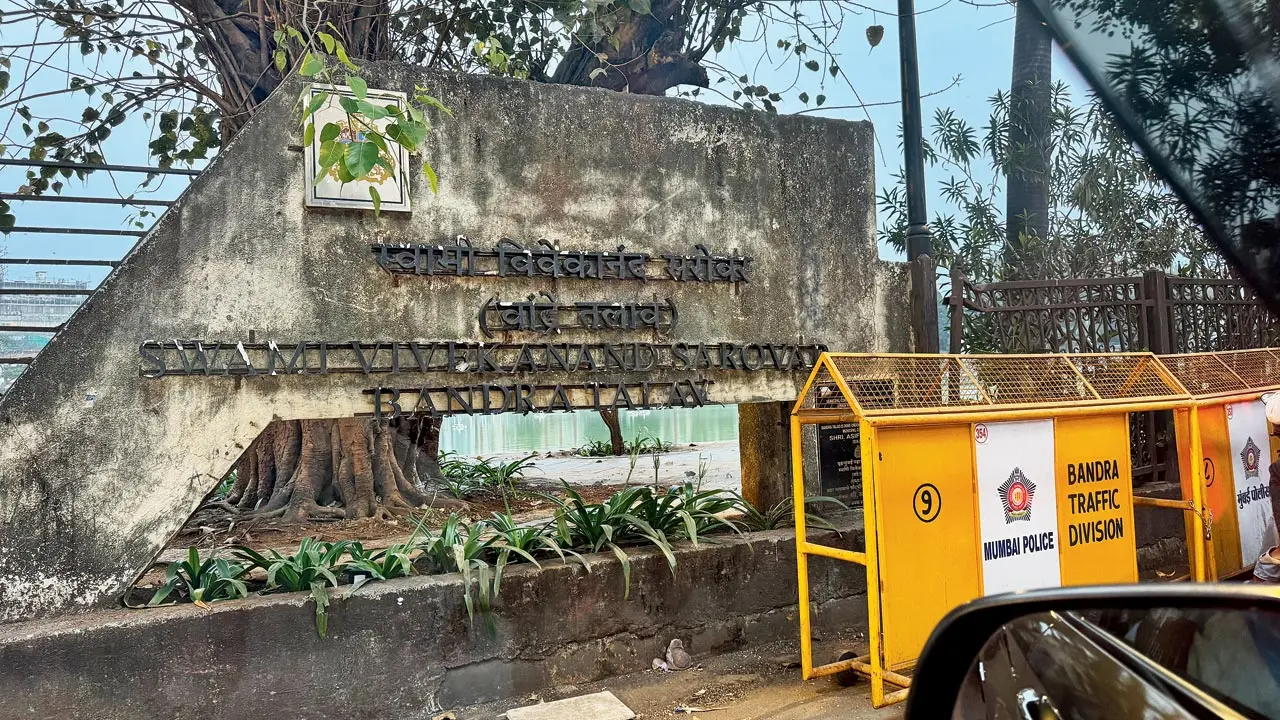
One of Mumbai’s oldest urban water bodies, Bandra Talao in the city’s western suburbs, is showing visible signs of neglect, raising concerns over heritage conservation, environmental resilience, and the long-term management of public open spaces. Once a vibrant community asset, the nearly 200-year-old lake has gradually slipped into disrepair, with deteriorating walkways, broken boundary walls, and declining water quality discouraging public use.
Spread across approximately 7.5 acres, the lake holds Grade II heritage status and has historically played a social and ecological role in the Bandra neighbourhood. Urban planners note that such traditional water bodies are critical buffers against flooding, urban heat, and groundwater stress in a city increasingly vulnerable to climate extremes. However, years of inconsistent maintenance have weakened its role as both a civic space and an ecological asset. Residents living around the precinct say the lake was once designed as a people-first public realm, with boating activities, fountains, and a continuous promenade that attracted families and senior citizens alike. Over time, however, poor upkeep has resulted in foul odours, garbage accumulation, and missing safety barriers, leading to reduced footfall and safety concerns.
Urban environment experts tracking the site point out that the lake’s hydrology may be more complex than previously documented. Observations suggest that the water level remains relatively stable even during peak summer months, indicating the presence of natural inflows or underground springs. Experts caution that large-scale dewatering and refilling, if undertaken without careful study, could disrupt this natural balance and damage the lake’s long-term sustainability. Earlier assessments had identified stagnation-related oxygen depletion in the water, prompting the installation of aeration features and fountains to improve circulation. While these measures temporarily improved conditions, the absence of routine maintenance has allowed deterioration to resume. Despite visible pollution, the lake continues to support aquatic life, highlighting its latent ecological value if managed responsibly.
Civic officials from the local ward administration have indicated that a new restoration contract has been approved, with work expected to commence shortly after procedural clearances. According to officials, environmental consultants have been engaged to ensure that restoration efforts retain natural characteristics and avoid disturbance to existing flora and fauna. Heritage conservationists argue that the issue extends beyond aesthetics. In a dense urban setting like Mumbai, neglected lakes represent missed opportunities for climate adaptation, inclusive recreation, and mental well-being. Well-maintained water bodies can serve as carbon sinks, biodiversity pockets, and accessible open spaces in neighbourhoods facing development pressure.
As Mumbai pushes forward with large-scale infrastructure and redevelopment, Bandra Talao stands as a reminder that sustainable urban growth also depends on protecting and upgrading inherited civic assets. Whether the upcoming intervention restores public trust in the space will depend not only on construction, but on long-term stewardship and community-sensitive governance.
Mumbai Bandra Talao Decline Raises Urban Heritage Concerns