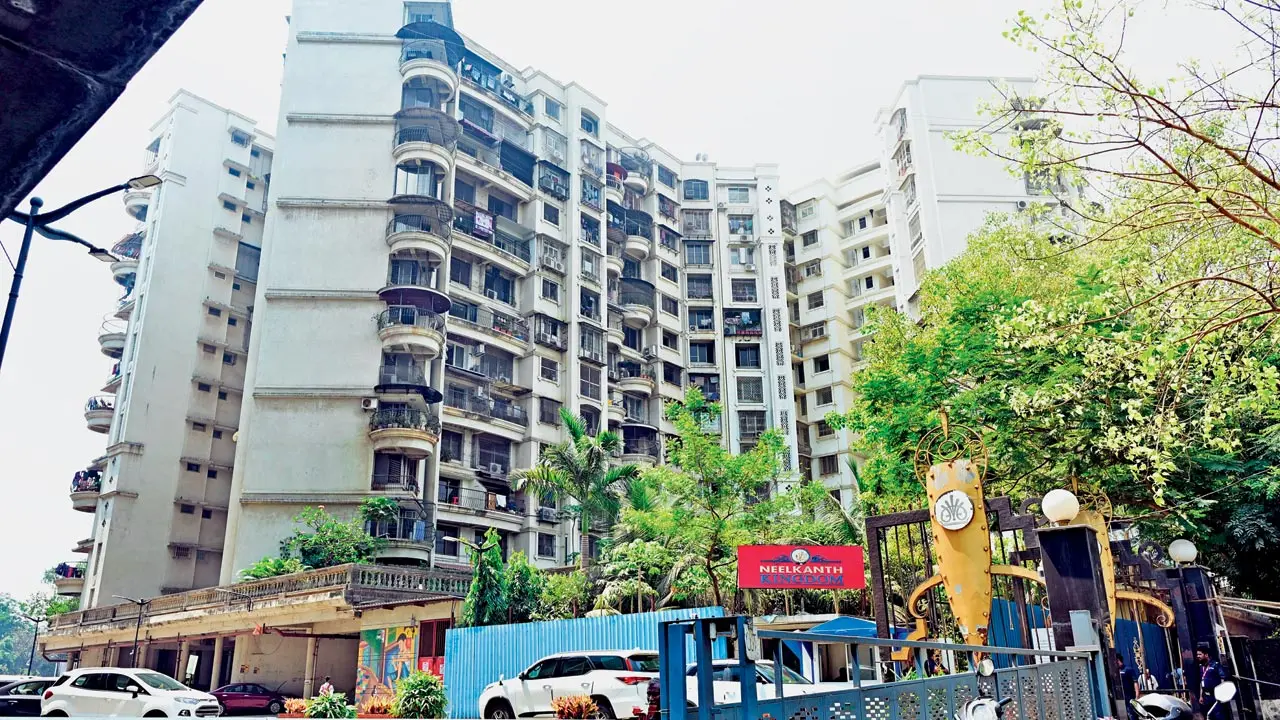
A long-stalled residential project in Mumbai’s Vidyavihar West has been pulled back into the regulatory framework of the Real Estate (Regulation and Development) Act after a decisive intervention by the state’s real estate appellate tribunal. The ruling directs the project’s developers to register the entire development within 60 days, a move that could alter compliance expectations for dozens of legacy housing projects across Maharashtra.
The appellate authority overturned an earlier regulatory decision that had limited registration requirements to unfinished amenities. Instead, it held that projects lacking completion and occupation certificates must be treated as ongoing developments, irrespective of when construction commenced. Urban planners and legal experts say the decision reinforces the intent of RERA as a safety, accountability, and consumer protection framework rather than a procedural formality. The Vidyavihar project, launched nearly two decades ago, consists of multiple residential buildings constructed on leased land. While physical structures were largely erected over a decade ago, regulatory approvals remained incomplete. Residents were permitted to carry out interior works and occupy flats without final statutory clearances, a practice that has since emerged as a major risk factor in dense urban environments.
According to professionals tracking the case, the absence of project-wide registration meant buyers had limited access to enforcement mechanisms under RERA, including timelines for amenity delivery, defect liability, and compensation. The tribunal’s direction now compels developers to disclose project status, secure pending approvals, and commit to completion schedules under regulatory oversight. The ruling carries wider urban implications. Mumbai continues to grapple with ageing housing stock and incomplete developments occupied without formal approvals. Fire safety professionals and urban resilience experts warn that such buildings expose residents, workers, and emergency services to avoidable hazards, particularly in high-density neighbourhoods with limited evacuation infrastructure.
Court records indicate that several occupants of the Vidyavihar complex have faced legal proceedings linked to occupation without certification, while multiple safety incidents have raised questions around habitability. Industry observers note that regulatory clarity could help resolve prolonged disputes while preventing future informal occupancy patterns that undermine citywide safety planning. Significantly, the appeal was pursued by a single homebuyer, even as hundreds of affected residents remained outside the legal process. Housing policy analysts say the case highlights a structural challenge within urban housing governance, where collective risk often goes unaddressed due to fragmented resident action.
Legal experts believe the order may prompt regulators to revisit other pre-2017 developments that remain partially incomplete. Once registered, such projects would be required to align with modern standards for transparency, safety, and environmental compliance. For Mumbai’s real estate ecosystem, the ruling signals a shift towards closing regulatory gaps that have long allowed stalled projects to exist in limbo. As the city pushes towards safer, more resilient housing, enforcement consistency may prove as critical as new construction.
MahaREAT Decision Revives Regulatory Oversight of Vidyavihar Project