Mumbai Region Plans Phased Opening Of Mira Bhayander Flyover
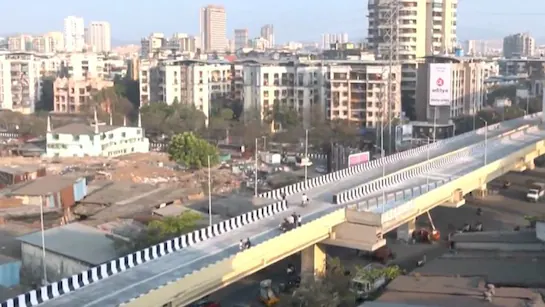
A new multi-lane flyover in Mumbai’s rapidly urbanising Mira-Bhayander suburb has become the focal point of civic debate after users on social platforms flagged an abrupt transition from four lanes to two mid-structure, raising broader questions about traffic engineering, public safety, and planning transparency in one of India’s fastest-growing commuter belts. The Mumbai Metropolitan Region Development Authority (MMRDA) maintains that the lane configuration reflects project constraints and long-term network planning, but the incident spotlights growing expectations for clear urban design communication.
Urban planners view arterial flyovers as critical for diverting surface congestion, especially where suburban growth has outpaced existing road capacity. However, road users and civic observers questioned whether the current layout will deliver intended traffic relief or inadvertently create new choke points. The controversy comes as Mira-Bhayander’s land use intensifies, with residential and commercial development clustering along key corridors feeding into the Western Railway line. According to MMRDA’s explanation, the present four-lane segment feeds into two dedicated lanes for Bhayander East, with provisions kept for future extension to Bhayander West. The narrower stretch beyond Golden Nest Circle reflects right-of-way limitations and the stage-wise implementation pace, officials say, with additional outer lanes planned in subsequent phases pending statutory clearances and municipal coordination. Safety measures including signage, rumble strips, crash barriers and input from traffic police are part of the rollout plan.
Industry experts note that phased construction is common in constrained urban environments, but stress that lane continuity and clear user expectations are essential for safety and network efficiency. “Where lanes reduce abruptly without adequate visual cues, driver behaviour can be unpredictable, particularly in mixed traffic conditions where two-wheelers and buses share space with cars,” said an urban transport consultant. Transparent articulation of interim designs helps mitigate confusion and enhances commuter trust. Urban planners also underscore the importance of integrating pedestrian and cyclist considerations into elevated road design — a factor often overlooked in fast-tracked projects. The public debate underscores a broader challenge: aligning infrastructure delivery with user perception and lived experience. For residents who traverse the corridor daily, the flyover represents both promise and uncertainty; while it aims to reduce surface congestion and expedite access across Mira Road’s busy junctions, questions about its interim usability and impact on local traffic patterns persist. Community stakeholders have called for clearer timelines on expansion phases and independent safety audits ahead of full commissioning.
As Mumbai’s suburban transport needs evolve, this episode highlights the necessity of integrating staged infrastructure deployment with proactive communication and evidence-based safety planning. With further expansion contingent on inter-agency approvals, the next steps will likely need concerted engagement between civic authorities, traffic management bodies and citizen groups to ensure that design intent aligns with on-ground realities.