India Tata Power Drives Smart Home Automation Growth
India’s integrated power conglomerate Tata Power is ambitiously scaling its foray into the home automation market by targeting mass adoption of Internet of Things (IoT)-enabled products across the country. The company’s strategy, centred on affordable smart devices and a broad rollout plan, reflects a growing pivot within the utility sector toward digital living solutions that promise energy efficiency, safety and convenience for millions of urban and peri-urban households.
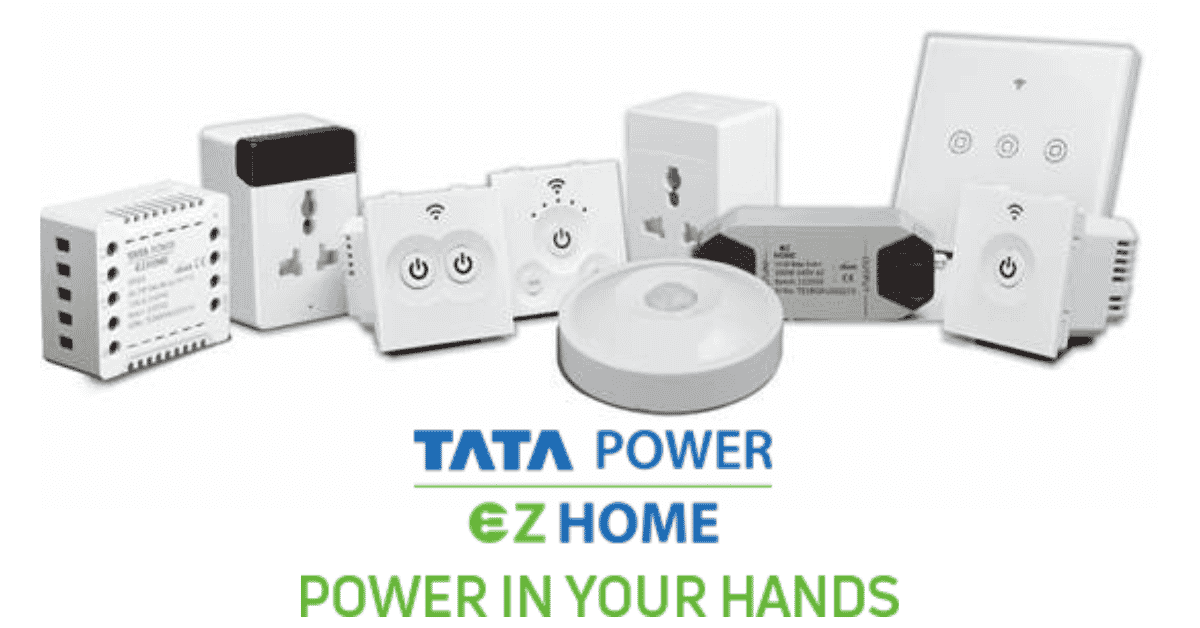
At a product launch event in Kolkata, the company unveiled its EZ Home Automation Solutions, anchored by a new IoT-enabled converter device that can automate up to three electrical appliances through a single unit controlled via mobile application. This entry-level device — priced to appeal to a wide consumer base — is part of a larger push to reach one crore households, a target company leadership says is attainable as smart-home awareness rises in India’s residential markets. Tata Power’s retail home automation initiative, which began last year, represents a strategic expansion beyond its core power generation and distribution portfolio into consumer technology services. The current footprint spans nine cities, but the company plans to increase presence to around 100 cities within the next three years, signalling confidence in broad market demand for connected home technologies even in smaller towns and semi-urban areas.
Industry analysts note that this push aligns with wider digital transformation trends in urban infrastructure, where connected devices are becoming integral to energy management and lifestyle choices. By enabling remote control and scheduling of appliances, smart automation tools help users optimise energy consumption — a critical feature given rising electricity costs and growing concerns about household energy efficiency. Experts tracking IoT adoption highlight that affordability and ease of installation are essential to accelerating mass market uptake. Tata Power’s strategy to position its converter as a low-barrier entry point, alongside a portfolio of roughly 50 smart products — including sensors, panels and switches — positions the company to capture a segment that historically resisted smart home solutions due to cost or complexity.
The EZ Home ecosystem is designed to work even under limited internet connectivity, a practical advantage in regions where broadband penetration remains inconsistent. This adaptability enhances the appeal of smart automation for a broader socio-economic demographic beyond premium urban neighbourhoods. Urban planners and consumer technology specialists suggest that increased accessibility of smart home solutions could drive uptake of energy-efficient behaviours, contributing to more resilient urban living. For city authorities, decentralised automation systems offer data-informed insights into demand patterns that may support better load management and grid interaction over time.
However, long-term success will hinge on Tata Power’s ability to build effective distribution networks, after-sales support and consumer trust — areas where legacy utilities are still developing competencies. Ensuring interoperability with other smart systems and addressing cybersecurity and data privacy concerns will be essential if the company’s vision of widespread digital automation is to materialise sustainably across India’s diverse residential landscape.