


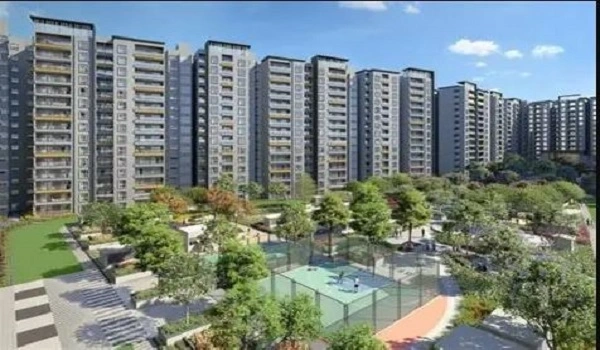
Yelahanka’s evolution from a peripheral suburb into one of North Bengaluru’s most closely watched real estate markets reflects how infrastructure-led planning is reshaping Bengaluru’s growth corridors. Once viewed largely as a low-density residential pocket, the locality is now emerging as a stable, multi-segment housing destination with strong end-user demand and measured investor interest.
Urban planners attribute Yelahanka’s rise primarily to its geographic positioning. Located between established nodes such as Hebbal and upcoming growth areas near Devanahalli, the micro-market functions as a transitional zone connecting central Bengaluru with the airport-led northern expansion. This has allowed it to benefit from infrastructure investments without the volatility often associated with newly opened peripheral markets. The commissioning of Kempegowda International Airport marked a turning point for the area, drawing residential development closer to the city’s northern edge. Improved road connectivity via National Highway 44 has since strengthened Yelahanka’s appeal for professionals seeking shorter commutes to employment hubs while avoiding the density pressures seen in central and eastern Bengaluru. Market observers highlight Yelahanka’s relatively balanced housing supply as a key differentiator. Unlike micro-markets dominated by either luxury developments or budget housing, Yelahanka offers a wide spread across price categories. Mid-income housing forms the backbone of supply, supporting consistent absorption and a stable rental market. This diversity has helped the locality avoid sharp price corrections during periods of slower sales across the city. Infrastructure projects currently underway are expected to further reinforce Yelahanka’s position. The upcoming metro corridor connecting the area to central Bengaluru is likely to reduce travel times significantly, while the development of a fully elevated railway terminal aims to integrate regional and intra-city transport.
Urban transport experts note that such multimodal connectivity often accelerates residential consolidation rather than speculative spikes. Beyond transport, social and environmental infrastructure is playing an increasingly visible role in buyer decision-making. Educational institutions, healthcare facilities, and planned green spaces are contributing to Yelahanka’s image as a liveable neighbourhood rather than a purely investment-driven market. This has made it particularly attractive to young professionals and families prioritising long-term occupancy. Employment access remains another important driver. Proximity to established technology parks and business districts has ensured steady rental demand, especially from professionals working in northern and central Bengaluru. Analysts note that this employment adjacency supports predictable yields, reducing reliance on capital appreciation alone. When compared with neighbouring micro-markets, Yelahanka occupies a middle ground. Areas such as Hebbal command higher entry prices, while emerging zones near the airport offer long-term upside but limited immediate livability. Yelahanka’s advantage lies in offering both operational infrastructure today and incremental growth potential over the next few years.
As North Bengaluru continues to expand outward, Yelahanka appears positioned to act as a stabilising residential hub rather than a speculative frontier. With transport projects nearing completion and steady demand across buyer segments, the locality is gradually consolidating its role within the city’s evolving real estate landscape.
Also Read: Godrej Interio Delivers Modern Public Workspace Gujarat
Infrastructure Push Lifts Yelahanka’s Realty Profile
