


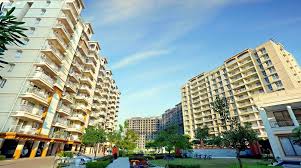
India’s residential resale market is undergoing a structural transformation, emerging as a preferred purchasing route for homebuyers rather than a secondary option driven by compulsion. Market participants say the shift reflects deeper changes in housing affordability, product positioning, and buyer expectations across urban centres.
Over the past two years, escalating prices in newly launched projects particularly in mid-to-premium segments have narrowed the affordability window for first-time and upgrade buyers. As developers increasingly focus on premium configurations, larger unit sizes, and amenity-heavy projects, the entry price for new homes in many cities has moved beyond the reach of value-conscious households. Resale homes, by contrast, are offering relatively stable pricing, immediate possession, and access to established neighbourhoods with functional social infrastructure. Urban planners note that mature micro-markets often provide stronger liveability outcomes, including proximity to workplaces, schools, healthcare, and public transport factors that are difficult to replicate in peripheral greenfield developments. Industry experts point out that resale transactions are also being fuelled by capital rotation from an earlier investment cycle. Residential assets acquired between 2020 and 2023, particularly in well-located urban corridors, have seen substantial appreciation. As investors monetise gains, a steady pipeline of ready-to-move inventory is entering the secondary market, expanding buyer choice and improving liquidity. This release of stock is changing the profile of resale buyers. What was once dominated by bargain hunters and distressed transactions is now attracting salaried professionals, nuclear families, and long-term end-users seeking predictability and neighbourhood stability. Financial institutions have also become more comfortable financing resale purchases, provided title clarity and building compliance are in place.
Data from brokerage firms indicate that resale volumes are rising across metros and large Tier 1 cities, with Bengaluru, Mumbai, Pune, Hyderabad, and Delhi NCR seeing particularly strong traction. Analysts attribute this to a widening gap between new-launch pricing and household income growth, alongside rising construction costs that developers are passing on to buyers. From a market health perspective, the resurgence of resale activity suggests greater maturity in India’s housing ecosystem. Economists argue that a balanced market requires both primary and secondary channels to function efficiently. A robust resale segment improves price discovery, discourages speculative excess, and allows households to upgrade or downsize without exiting the housing market altogether. There are also sustainability implications. Reuse of existing housing stock reduces the environmental footprint associated with new construction, including embodied carbon, land consumption, and infrastructure duplication. As cities grapple with climate resilience and infrastructure stress, optimising existing residential assets is increasingly viewed as a pragmatic urban strategy.
Looking ahead, experts expect the resale market to remain a dominant force as long as new supply continues to skew premium and affordability pressures persist. For policymakers and planners, the trend underscores the need to strengthen resale transparency, digitise property records, and ensure that older housing stock is supported through retrofitting and maintenance incentives reinforcing resale homes as a durable pillar of India’s urban housing future.
Also Read: Srishti Group Event Brings Focus to Urban Workforce
India Housing Resale Market Becomes Buyer Mainstay
