Pune Mumbai Climate Variability Challenges Planning
A sharp change in late-January weather across Maharashtra has brought cloudy skies to Pune and unseasonal showers to parts of the Mumbai Metropolitan Region, highlighting how increasingly volatile climate patterns are beginning to affect everyday urban life. Meteorological agencies have flagged rising temperatures and short-duration rainfall events driven by shifting wind systems, a development that carries implications for infrastructure management, public health, and city planning.
In Pune, daytime temperatures have climbed above seasonal averages, crossing the 30°C threshold at multiple monitoring stations. Increased cloud cover has accompanied the warming trend, as moisture levels rise due to the interaction of easterly winds with a western disturbance moving across north and central India. Weather officials indicate that this convergence is typical of transitional systems but has become more frequent and less predictable in recent years. The same atmospheric interaction has produced unexpected rainfall over Mumbai and neighbouring districts, even as residents anticipated cooler and drier winter conditions. Moisture-laden winds from the Arabian Sea, combined with a shift in wind direction, led to dense cloud formation along the Konkan coast, triggering brief but noticeable showers. A short-term alert was issued for parts of the region, underscoring the growing challenge of managing weather variability in densely populated coastal cities.
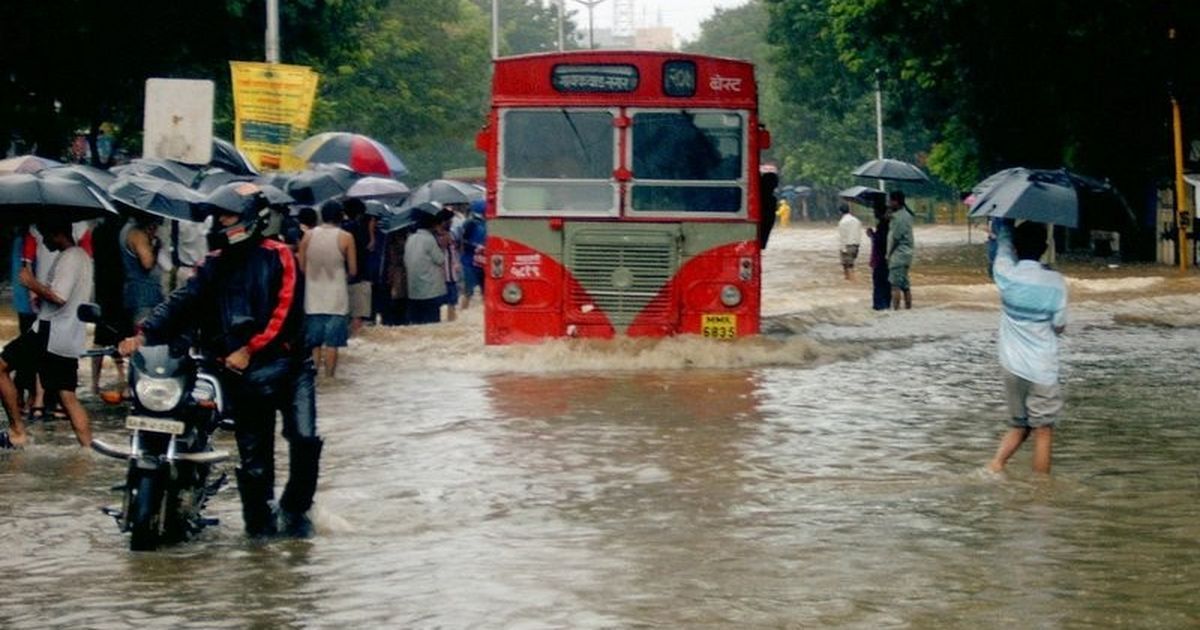
Urban planners and climate researchers note that the Maharashtra weather shift is not an isolated incident but part of a broader pattern affecting Indian cities. Fluctuating winter temperatures and off-season rainfall can strain drainage networks, disrupt transport schedules, and complicate construction timelines particularly in fast-growing real estate markets such as Pune and the Mumbai Metropolitan Region. For informal workers and outdoor labourers, sudden heat spikes or rainfall can also affect income stability and workplace safety. From a civic perspective, such conditions test the resilience of urban infrastructure designed around older climate norms. Stormwater systems calibrated for predictable monsoons, for instance, are less effective when rainfall arrives in short, intense bursts outside the traditional season. Similarly, higher winter temperatures increase energy demand in residential and commercial buildings, raising questions around efficiency and emissions.
Policy specialists argue that city administrations must integrate real-time climate data into urban operations, from traffic management to construction regulation. The Maharashtra weather shift offers a reminder that climate resilience is no longer a long-term aspiration but a near-term operational necessity. Investments in adaptive infrastructure, better forecasting, and heat- and water-sensitive urban design are increasingly seen as essential to maintaining economic continuity and liveability. As Maharashtra’s cities continue to expand, the ability to anticipate and respond to such weather disruptions will shape how effectively they protect residents, sustain growth, and manage environmental risk in an era of accelerating climate uncertainty.