Ahmedabad Redevelopment Puts Licensed Vendors At Risk
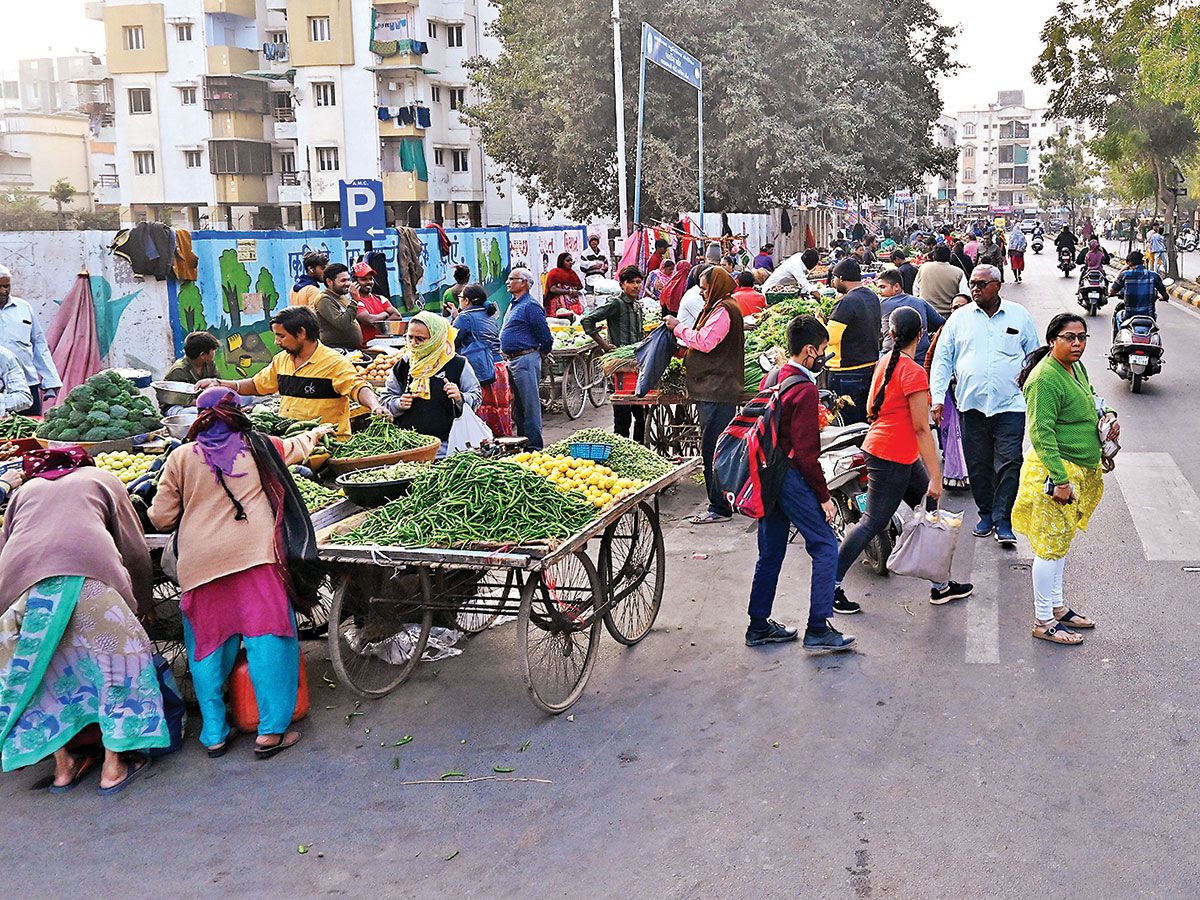
Licensed street vendors operating in Ahmedabad’s historic Bhadra precinct are facing renewed uncertainty after being moved away from their traditional trading zone, despite holding statutory vending permissions. The situation has raised critical questions about how Indian cities reconcile heritage-led redevelopment with inclusive economic planning, particularly for informal workers embedded in urban ecosystems. The dispute centres on the Bhadra redevelopment corridor, a key public space revitalisation project aimed at improving pedestrian access, heritage aesthetics, and traffic circulation in the old city. As infrastructure works progressed, vendors who had operated in the area for decades were asked to vacate, triggering a prolonged legal process.
Over time, hundreds of vendors were formally recognised under national street vending legislation, granting them the right to operate within designated public spaces. Urban planners note that street vending is not a peripheral activity in Indian cities but a core component of local economies, especially in heritage markets that depend on dense footfall. In Bhadra, vendors form part of a long-established commercial network supporting daily-wage households, women-led microenterprises, and supply chains linked to surrounding neighbourhoods. According to court-monitored arrangements, multiple alternative vending sites were identified to temporarily accommodate licensed traders during redevelopment. However, vendors say that the locations currently permitted are disconnected from established customer flows, resulting in near-total loss of income. Urban economists point out that relocation without market viability effectively nullifies legal protection, turning compliance into economic exclusion.
Municipal officials maintain that vending zones have been allotted in line with judicial directions and traffic management needs, and that consultations were offered during the process. They argue that congestion concerns in the heritage core require careful balancing of mobility, safety, and commerce. Yet transport experts suggest that pedestrian-oriented districts globally accommodate regulated vending through spatial design rather than displacement. The economic consequences are becoming visible. Vendors report prolonged periods without sales, increased commuting costs, and growing household debt. For many families, street vending is the sole source of income, making even short disruptions financially destabilising. Social policy specialists warn that such shocks disproportionately affect women vendors, who often lack access to formal credit or alternative employment.
Residents and visitors have also observed a change in the character of the Bhadra area, with reduced street activity impacting the vibrancy typically associated with heritage markets. Built environment experts argue that successful urban renewal depends on retaining living economies alongside physical upgrades, especially in climate-sensitive cities where walkable, mixed-use zones reduce transport emissions. As the matter continues under judicial review, the episode underscores a broader urban challenge: aligning infrastructure-led renewal with people-first planning. For rapidly redeveloping cities like Ahmedabad, the outcome could shape how future projects integrate informal livelihoods into sustainable, inclusive urban growth models.