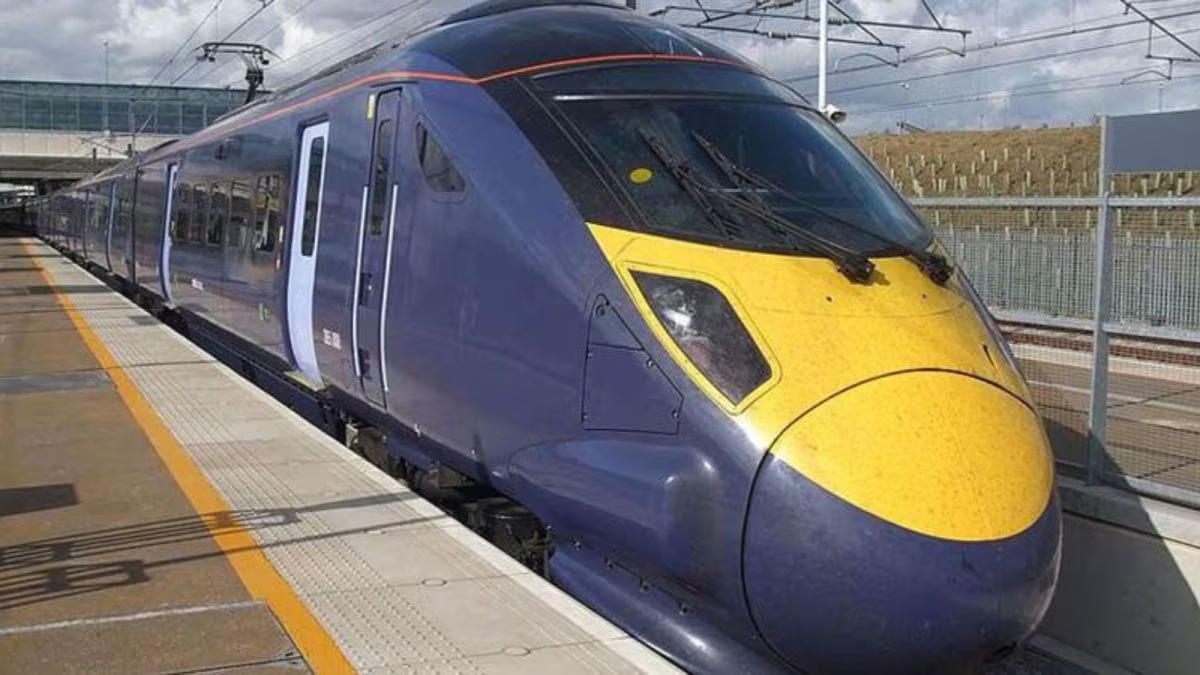
India Bullet Train Project Nears Operational Milestone
The Mumbai-Ahmedabad high-speed rail corridor has moved into a critical delivery phase with the selection of a global engineering consultancy as the lowest bidder for core systems integration work, signalling a shift from heavy civil construction to operational readiness. The decision, cleared by the project’s implementing authority, covers consultancy for signalling, telecommunications, supervisory control systems, and passenger ticketing components that directly influence safety, efficiency, and commuter experience across the corridor.
The contract, spread over nearly seven years, reflects the complexity of integrating multiple digital and operational layers into India’s first high-speed rail line. Industry experts note that while viaducts, stations, and depots form the project’s visible footprint, systems engineering determines whether high-speed rail functions reliably at scale, particularly in dense urban and peri-urban regions such as the Mumbai Metropolitan Region and the industrial belt of Gujarat. According to tender records, the procurement process attracted two technically qualified bidders, with financial evaluations completed in late January. The selected bid was valued lower than its competitor by nearly ₹50 crore, a difference analysts say reflects tightening cost discipline amid rising scrutiny of large public infrastructure spending. Officials familiar with the process indicated that cost efficiency, technical depth, and experience in complex rail systems were key evaluation criteria.
The scope of work spans project management consultancy for signalling and telecommunications, real-time monitoring through SCADA systems, and end-to-end ticketing architecture. Together, these systems are essential for maintaining safe train separation at high speeds, managing energy use, enabling predictive maintenance, and ensuring seamless passenger movement across 12 stations on the 508-kilometre route. Urban planners see the development as more than a transport milestone. The Mumbai Ahmedabad bullet train is expected to reshape land use patterns, compress travel times between major employment centres, and influence real estate development around stations. Reliable signalling and ticketing systems are particularly important for integrating the corridor with local transit networks, reducing dependence on private vehicles, and supporting lower-carbon mobility choices.
From a climate and resilience perspective, digitally optimised rail operations can significantly reduce lifecycle emissions compared to road and air travel on the same corridor. Automated systems also allow better energy management and faster recovery during disruptions, an increasingly important factor as cities face climate-related stresses As construction progresses, attention is expected to shift toward testing, interoperability, and workforce training areas where global best practices will need to be adapted to Indian urban conditions. For residents, businesses, and city administrations along the corridor, the next phase will determine how effectively the Mumbai Ahmedabad bullet train translates engineering ambition into everyday urban benefit.