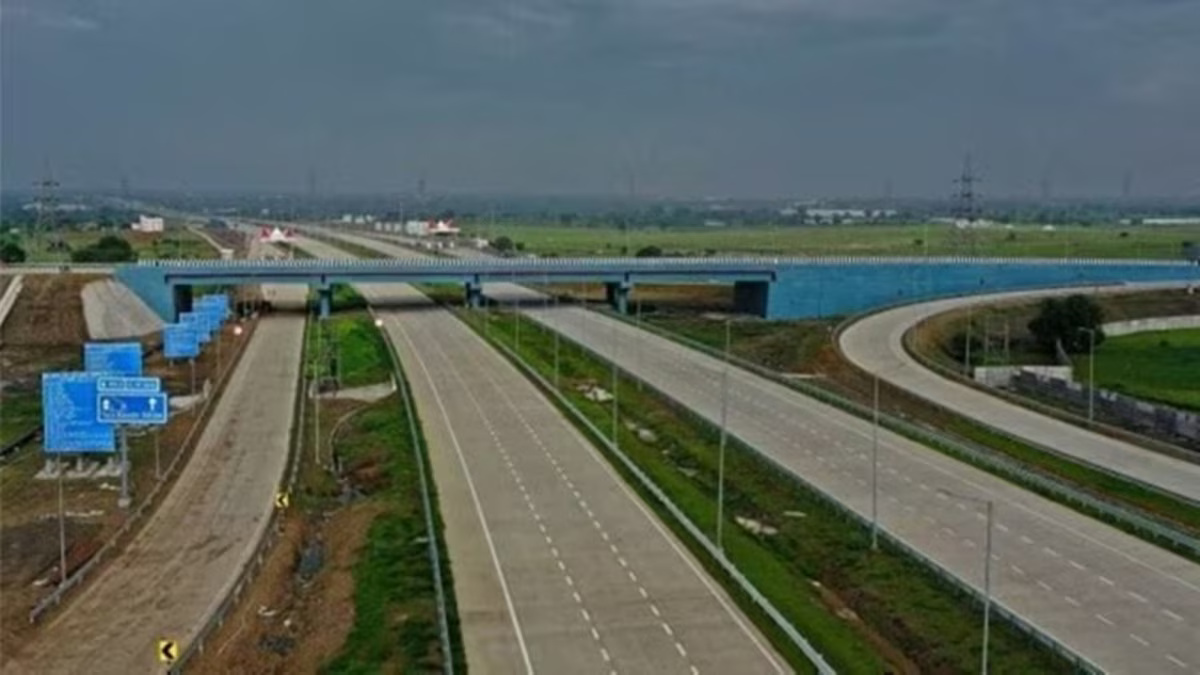
Commuters using the Samruddhi Mahamarg, the high-speed expressway connecting Mumbai and Nashik, are set to experience a significant improvement in travel comfort as new roadside service infrastructure moves closer to full operation. Authorities are in the process of activating a total of 22 food plazas along the corridor, addressing long-standing concerns over the absence of essential amenities on one of Maharashtra’s most critical mobility projects.
Since the expressway became operational, reduced travel time has been its biggest advantage. However, the lack of toilets, food outlets, drinking water and fuel access created practical challenges, particularly for long-distance travellers, families, women commuters and commercial drivers. Urban transport experts note that expressways designed as economic corridors must integrate user-centric infrastructure to remain efficient, safe and inclusive. At present, eight food plazas are already functional at select locations on both sides of the expressway, while work is underway to operationalise the remaining 14 within the next three months. Once completed, the full network of plazas will provide evenly spaced rest and service points across the route, significantly reducing travel stress and improving road safety by discouraging unscheduled halts along the carriageway.
Officials associated with highway planning indicate that the expanded service network reflects a recalibration of infrastructure priorities, shifting from speed-centric development to balanced mobility planning. Beyond food and restrooms, the plazas are expected to support drinking water access, basic vehicle services and fuel facilities, improving resilience for emergency situations and breakdowns. From an economic perspective, the development is likely to generate local employment and create opportunities for small vendors, logistics support services and maintenance operations. Infrastructure analysts point out that well-planned highway amenities often act as micro economic hubs, supporting regional supply chains and improving returns on large public investments.
The revised rollout also highlights the challenges of public-private participation in highway infrastructure. Initial plans for fewer service plazas faced delays due to limited private interest, slowing implementation. Renewed engagement and revised planning have now enabled the expansion from the original scope, underlining the need for adaptive project management in large-scale transport infrastructure. Urban planners emphasise that expressway facilities play a role beyond convenience. Adequate rest areas contribute to reduced driver fatigue, lower accident risk and improved travel equity. When designed with efficient water use, waste management systems and energy-conscious operations, such facilities can also align with broader climate-resilient infrastructure goals.
As the Samruddhi Mahamarg continues to shape mobility patterns between Mumbai, Nashik and the wider region, the completion of its service ecosystem marks a critical next step. Attention will now turn to the quality, maintenance standards and environmental performance of these facilities, which will determine how effectively the corridor supports sustainable, people-first regional growth.
Samruddhi Mahamarg Food Plazas Boost Highway Comfort