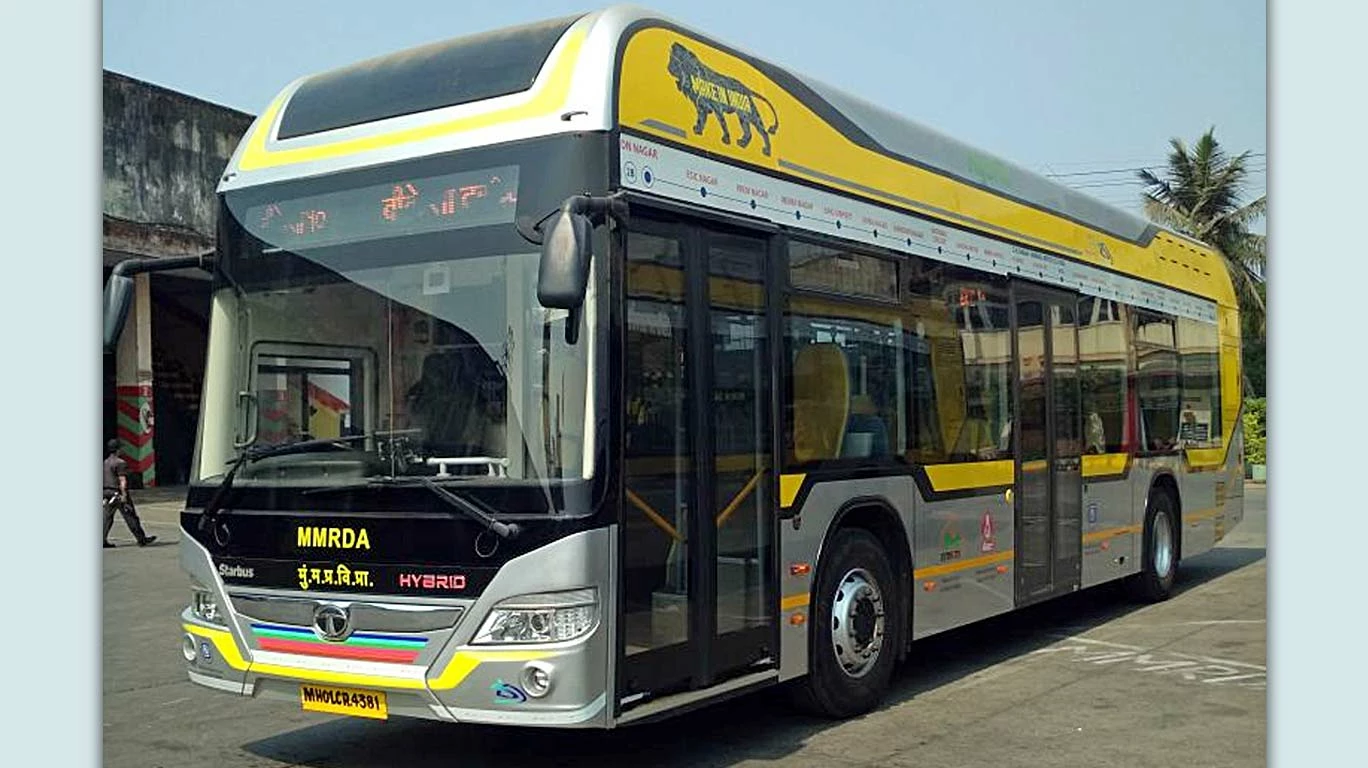
Mumbai is set to receive a significant boost to its public transport capacity under a new national electric bus procurement programme, with the city expected to induct around 1,500 zero-emission buses in the coming phases. The move marks one of the largest planned expansions of Mumbai’s bus fleet in recent years and signals a renewed policy focus on clean, high-capacity surface transport as cities grapple with congestion, air quality and last-mile connectivity challenges.
The proposed induction follows the launch of a centralised tender for electric buses covering multiple Indian cities. Urban transport officials familiar with the process indicate that Mumbai has been earmarked for one of the largest allocations, reflecting both its scale and the persistent gap between travel demand and available bus services. The buses will be deployed through a contract-based operating model, under which private operators will manage vehicles, drivers, maintenance and charging infrastructure, while the public transport undertaking pays a fixed rate linked to kilometres operated. Transport economists note that this model reduces upfront capital pressure on city agencies while allowing faster fleet augmentation. It also shifts performance risk to operators, provided contracts are structured to prioritise service reliability, safety and passenger experience. Similar arrangements in earlier electric bus deployments have helped cities scale up operations without long procurement delays.
The expansion is part of the Union government’s broader electric mobility programme, which aims to accelerate the adoption of electric vehicles in urban transport systems. Electric buses are seen as a high-impact intervention, capable of delivering immediate emissions reductions on heavily used corridors while lowering long-term operating costs as battery and charging technologies mature. For Mumbai, the timing is critical. The city’s bus fleet has declined steadily over the past decade, even as population density and travel distances have increased. Urban planners argue that without a strong bus backbone, investments in metro and suburban rail risk being undermined by poor first- and last-mile access. A larger electric bus fleet could help rebalance the network, especially in areas not directly served by rail-based systems.
The tender framework includes provisions intended to support long-term operational stability, such as advance planning for spare parts and lifecycle maintenance. Industry experts say these clauses are essential to avoid service disruptions that have affected earlier electric bus pilots across Indian cities. Competitive pricing in previous bidding rounds has also raised expectations that scale-driven efficiencies can make electric buses financially viable at a system level. Beyond transport outcomes, the programme carries wider urban and environmental implications. Cleaner buses can contribute to improved neighbourhood air quality, reduced noise levels and lower greenhouse gas emissions—key priorities for a coastal city increasingly exposed to climate risks. Improved bus frequency and coverage also have equity dimensions, supporting affordable mobility for lower-income commuters, women and the elderly.
While deployment timelines will depend on manufacturing and infrastructure readiness, transport officials expect phased induction over the coming months. The focus now shifts to execution: ensuring charging depots, route planning and service integration keep pace with vehicle deliveries. If managed well, the electric bus expansion could become a cornerstone of Mumbai’s transition towards a more resilient, people-first and low-carbon urban transport system.
Mumbai Set For Major Electric Bus Expansion