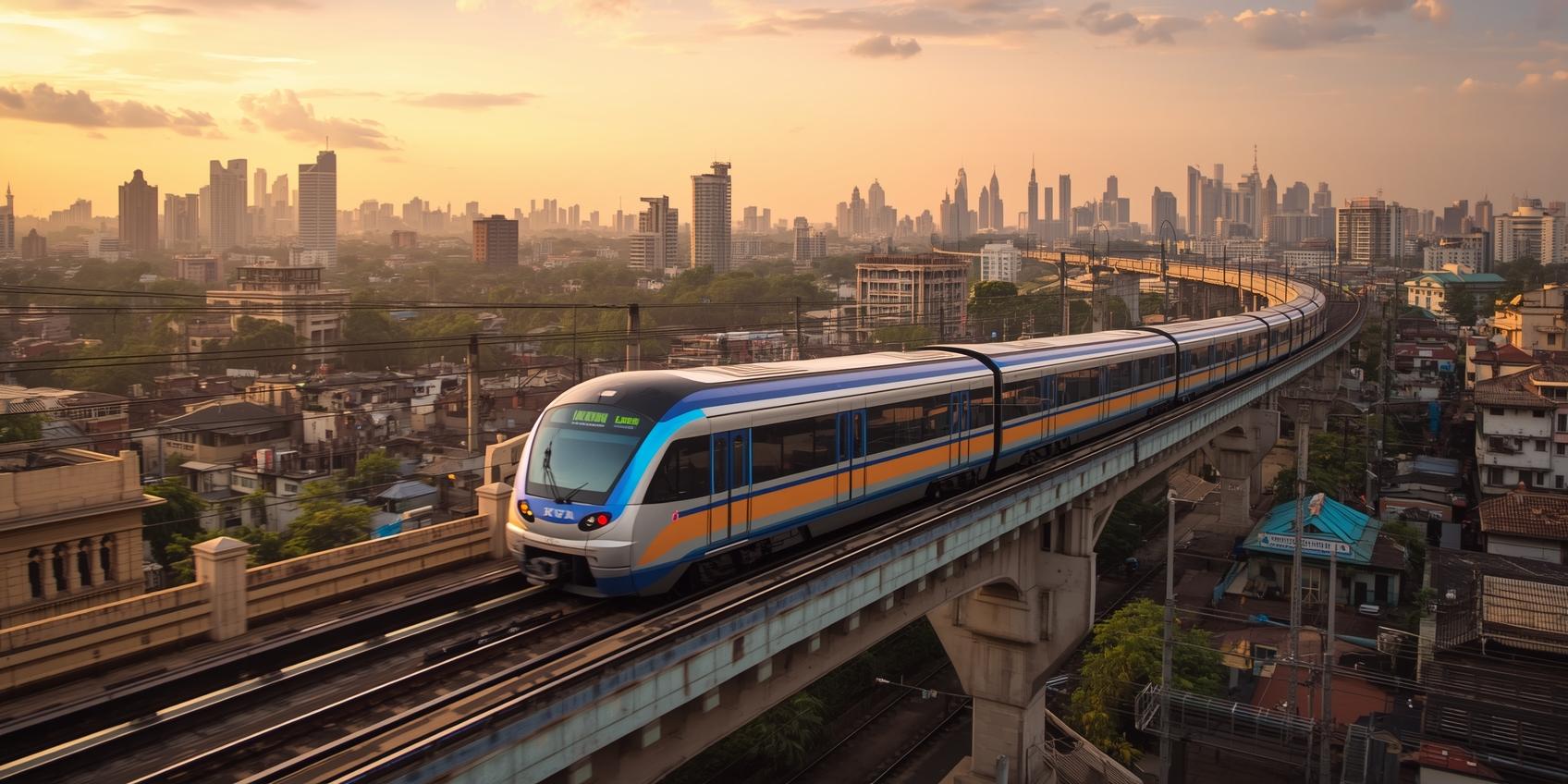
Mumbai’s expanding metro network is set to cross a crucial milestone as Metro Line 9 prepares for partial operations in the Dahisar–Mira-Bhayandar belt, marking the first time this densely populated suburban corridor will receive direct rapid transit access. Safety clearance for the initial stretch has been secured, and transport authorities are preparing for limited public operations in the coming weeks. The development matters not only for daily commuters but also for how growth, housing demand and urban form may evolve in the city’s northern edge.
The first operational segment, spanning a short but strategic section between Dahisar and Kashigaon, connects residential neighbourhoods that have long depended on overcrowded roads and suburban rail services. For residents, this translates into shorter and more predictable travel times, particularly for trips towards employment hubs along the western corridor. For the city, it signals a gradual shift towards a more balanced, rail-led mobility system that can reduce pressure on road infrastructure and lower per-capita transport emissions. Urban transport planners point out that Mumbai Metro Line 9 functions as an extension rather than a standalone project. By linking into the existing east–west metro corridor, the line integrates peripheral suburbs into the wider metropolitan economy. This network effect is critical for areas such as Mira-Bhayandar, which have seen rapid population growth without a commensurate upgrade in high-capacity public transport.
The real estate market has responded even before trains begin running. Property consultants and housing analysts report a rise in enquiries for projects located near proposed stations, particularly in emerging pockets that were previously considered distant from Mumbai’s core. Improved connectivity has altered how homebuyers evaluate these locations, with accessibility now competing with price and unit size as a key decision factor. Over time, this could help redistribute housing demand away from saturated central suburbs. Beyond housing, planners expect the corridor to encourage more compact, transit-oriented development. Mixed-use precincts around stations can support local jobs, services and walkable neighbourhoods, reducing the need for long commutes. Such patterns are increasingly seen as essential for building climate-resilient cities, where daily needs are met closer to home and reliance on private vehicles is minimised.
However, the phased nature of the launch also highlights unfinished challenges. Full benefits will depend on timely completion of remaining stations, last-mile connectivity, and integration with buses, cycling infrastructure and pedestrian access. Urban policy experts caution that without careful planning, rising land values near stations could also intensify affordability pressures. As Mumbai Metro Line 9 advances towards full commissioning, its early impact offers a preview of how transport investments can reshape both markets and everyday life. The coming months will test whether this infrastructure catalyst delivers inclusive mobility and sustainable growth for one of the region’s fastest-growing suburban corridors.
Mumbai Metro Line 9 Set to Alter Housing Momentum in Northern Suburbs