Mumbai Metro Line 11 Bidding Advances For 2027 Build
Mumbai’s longest underground metro expansion — Metro Line 11 — has taken a decisive planning step forward, with the Mumbai Metro Rail Corporation Ltd (MMRCL) receiving three bids from global firms to provide consultancy services ahead of construction slated to begin in early 2027. This progression represents a significant milestone in the city’s efforts to bolster urban mobility, relieve congestion and knit dense south Mumbai neighbourhoods into a more resilient public transport network.
The firms bidding for the interim consultancy role are Systra MVA Consulting, Padeco and Oriental Consultants Global, each proposing to undertake critical preparatory work that includes geotechnical surveys, finalising route alignment and station designs, and drafting detailed construction tender documents. The selected consultant will also plan traffic diversion strategies, rehabilitation frameworks and muck disposal systems — all essential groundwork before complex tunnelling and excavation begin beneath south Mumbai’s heritage‑rich and congested streets. At approximately 17.5 kilometres in length, Line 11 will run from the Anik Depot in Wadala to the Gateway of India, cutting across transit‑challenged zones including Sewri, Byculla, Nagpada and Bhendi Bazaar. Of its 14 stations, 13 will be underground, with one at‑grade facility at Anik Depot. This alignment positions the project as a strategic complement to existing and planned corridors — including Metro Line 4, the Aqua Line, suburban rail interchanges and the Monorail — thereby strengthening interchange opportunities across the broader regional transit grid.
The estimated cost of the project is roughly ₹23,487 crore, with funding anticipated primarily through support from the Japan International Cooperation Agency (JICA). State and local authorities — including the Municipal Corporation of Greater Mumbai and the Mumbai Port Authority — have been directed to contribute capital, while loan assistance and revenue‑raising mechanisms such as floor space index (FSI) and transit‑oriented development (TOD) levies are earmarked to bridge financing gaps. Urban planners highlight Line 11’s potential to redistribute commuter flows and mitigate pressure on overcrowded surface roads and suburban rail networks. By directly linking emerging economic zones in eastern and southern Mumbai to historic and commercial cores around the Gateway of India, the corridor is expected to shorten travel times, reduce vehicular emissions and support equitable, people‑centred mobility across income groups. (Urban transportation experts)
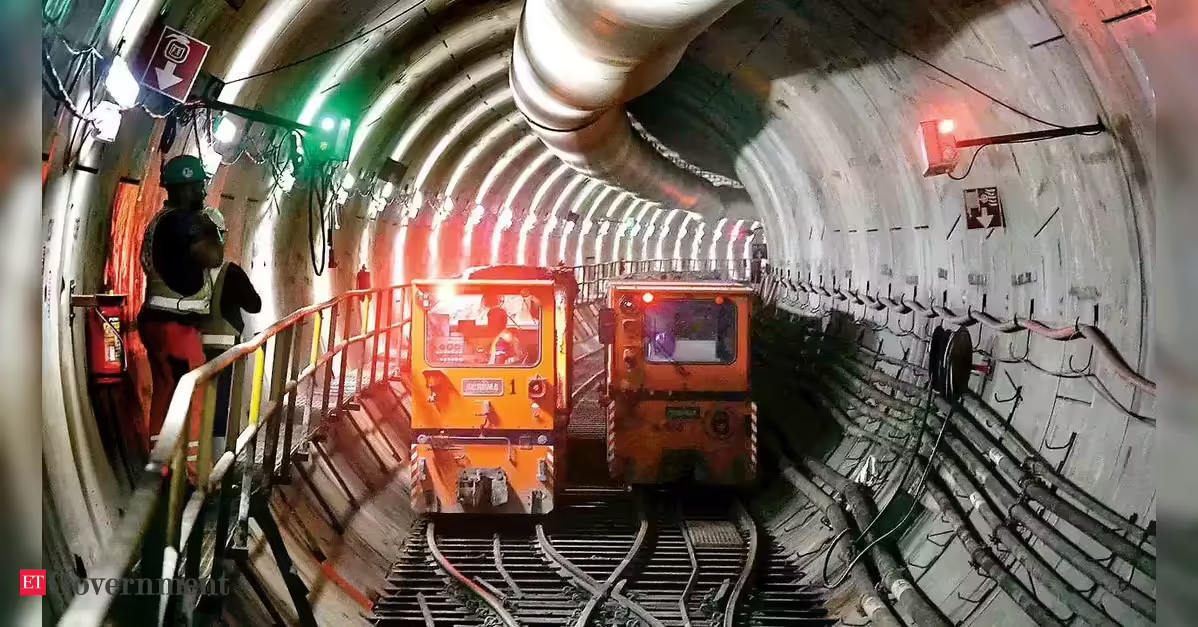
But the route’s underground nature — crossing heritage zones, narrow streets and old building foundations — also poses technical and logistical challenges. Experts note that careful alignment engineering, community engagement and environmental safeguards will be essential to limit disruptions, particularly in bustling precincts where construction activities risk impacting local businesses and streetscapes. (Infrastructure analysts)
As MMRCL advances consultant selection in the coming weeks, attention will shift to securing environmental clearances and statutory approvals, setting the stage for construction tendering and eventual groundbreaking. The progress of Metro Line 11 — if managed well — could redefine urban connectivity in south Mumbai, augmenting the city’s transit framework and advancing its long‑term goals for sustainable and inclusive urban mobility.