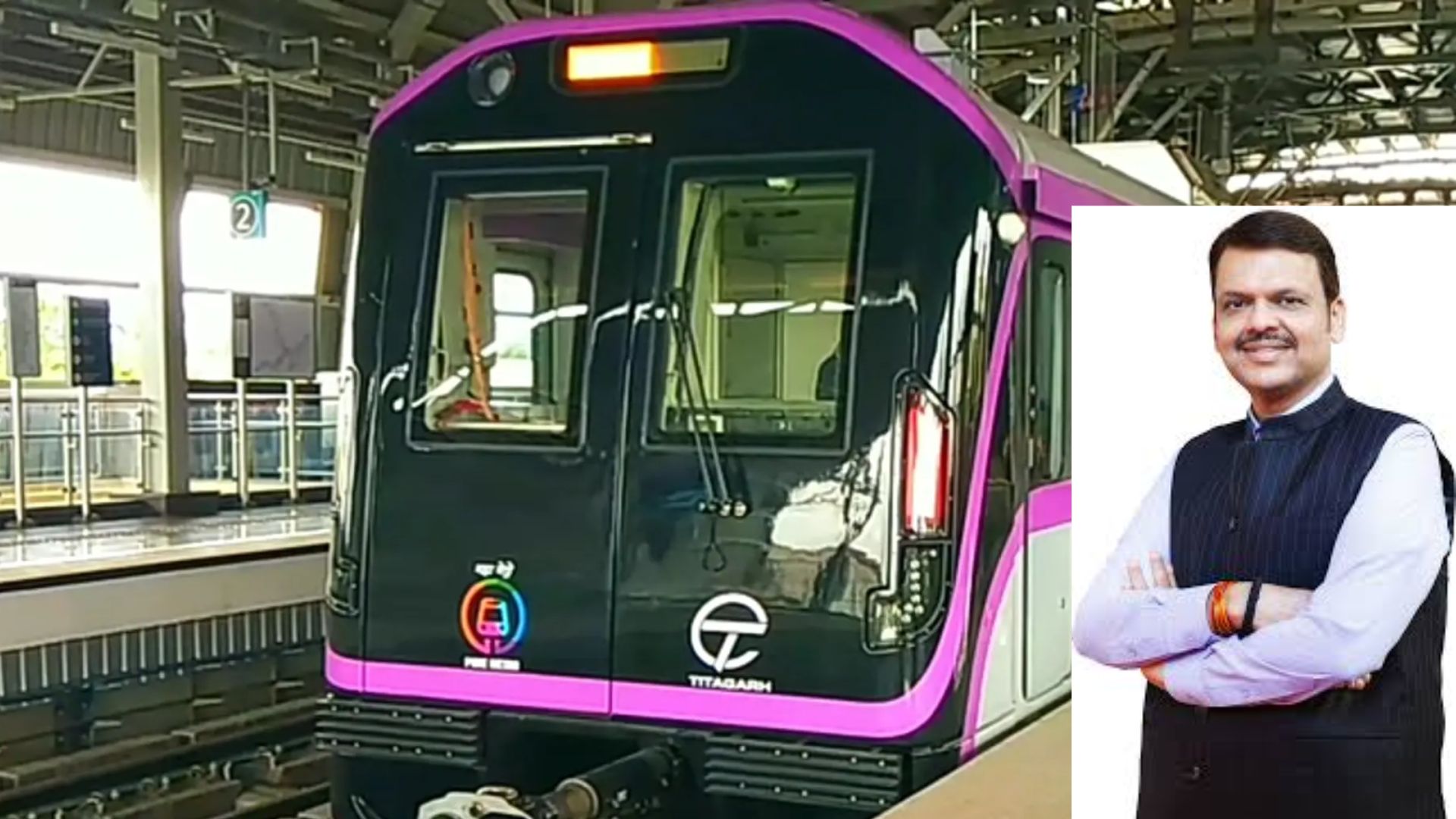
Pune Metro Phase 2 Expansion Approved For Connectivity
Pune’s urban mobility landscape is poised for substantial growth after the Union Cabinet approved the Phase 2 expansion of the Pune Metro, sanctioning two new corridors — Line 4 and Line 4A — together spanning 31.6 kilometres with 28 elevated stations. The decision, taken at a meeting chaired by the Prime Minister, marks one of the most significant infrastructure approvals for the city’s transit network in recent years, with construction expected to unfold over the next five years.
The newly sanctioned Line 4 will stretch from Kharadi through Hadapsar and Swargate to Khadakwasla, connecting eastern and southern employment and residential hubs with western precincts. Line 4A will link Nal Stop with Warje and Manik Baug, improving access to dense west‑Pune neighbourhoods and supporting last‑mile connectivity in areas currently underserved by high‑capacity public transport. These corridors are integrated into Pune’s Comprehensive Mobility Plan, designed to knit together existing and future lines with other modes of mobility. Officials from the Maharashtra Metro Rail Corporation (Maha‑Metro) note that this expansion will bolster multimodal movement by facilitating interchange points at major nodes such as Hadapsar Railway Station, and aligning with future extensions toward Loni Kalbhor and the Saswad corridor. Such integration is expected to ease pressure on arterial roadways like Solapur Road, Magarpatta Road and the Mumbai‑Bengaluru Highway by encouraging commuters to shift from private vehicles to rail.
The project’s estimated outlay of ₹9,857.85 crore will be jointly funded by the Governments of India and Maharashtra, along with external bilateral or multilateral agencies. This co‑financing model reflects the scale and strategic intent of metro systems to serve as backbone transit infrastructure capable of sustaining high ridership while promoting economic productivity across urban corridors. Projected ridership on Lines 4 and 4A combined is significant: from around 4.1 lakh passengers daily in 2028, rising to nearly 7 lakh by 2038 and over 11.7 lakh by 2058 as Pune’s population and transit demand grows. These figures highlight not only immediate congestion relief but also the long‑term resilience of a transit‑oriented city model that prioritises accessibility and reduced carbon emissions.
Urban planners emphasise that extending rapid transit serves multiple urban objectives — from improving labour market linkages between residential and employment clusters to reducing noise and air pollution by shifting commuters from cars and buses to electric rail. In a sprawling metropolis like Pune, where traffic congestion has intensified with economic expansion, metro integration becomes central to sustainable growth. However, bridging plan and execution will demand meticulous governance. Analysts underscore the need for robust land acquisition processes, efficient contract management and proactive community engagement to mitigate construction impacts. Additionally, seamless feeder services and pedestrian‑oriented access around stations will be vital to ensure equity of service, particularly for lower‑income neighbourhoods. (Urban mobility experts)
As Pune advances toward a modernised, climate‑aligned transit network, the Phase 2 expansion positions the city to manage future growth with more resilient infrastructure, offering commuters faster, safer and greener travel options — a core tenet of inclusive metropolitan development.