Maharashtra Vadhvan Port Tender Gets Three Month Extension
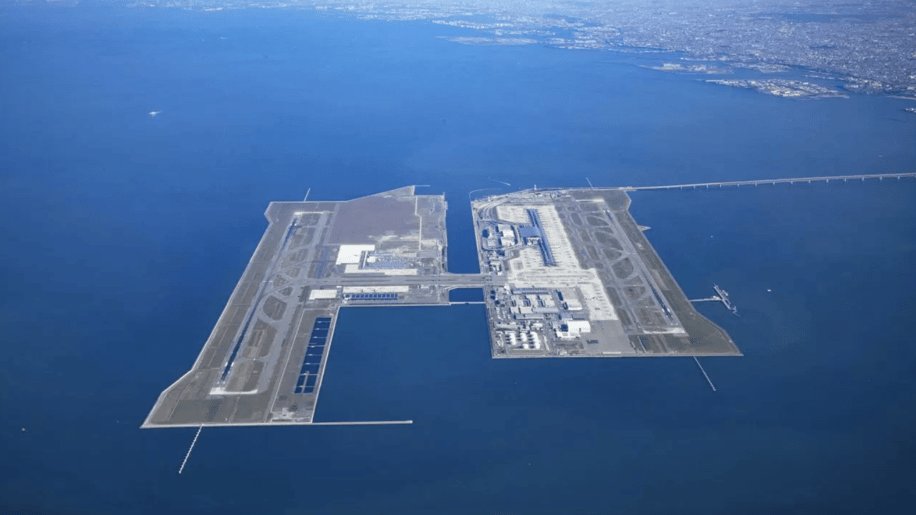
Maharashtra’s coastal belt is set to host India’s first offshore airport, a landmark infrastructure project near the Vadhavan Port that aims to handle up to 90 million passengers annually and redefine air and cargo connectivity on the western seaboard. Valued at an estimated ₹45,000 crore, this greenfield airport will sit on reclaimed land off the Palghar coast, integrating air, sea, rail and road links and reinforcing the state’s role as an economic nexus on the Delhi‑Mumbai Industrial Corridor.
The facility — conceived as part of a broader multimodal logistics hub — will feature two parallel runways and extensive cargo handling capacity of 3 million metric tonnes per year, positioning it as both a high‑volume passenger gateway and a strategic air‑cargo node. Preliminary planning, including a pre‑feasibility study by Maharashtra Airport Development Company Ltd., is nearing completion, paving the way for detailed design and environmental clearance. Urban planners underscore the potential of such an airport to disperse traffic pressure from established hubs and spur balanced regional growth. With passenger numbers in India’s aviation market growing rapidly — driven by expanding middle‑class mobility and freight demand — additional capacity beyond existing metropolitan airports is increasingly critical. India’s operational airports and traffic volumes have more than doubled in the past decade, a trend that infrastructure experts say necessitates future‑ready capacity expansion.
What distinguishes the Vadhavan project is its offshore siting and direct port linkage. Integrated development with the all‑weather deep‑draft Vadhavan Port — designed to handle container throughput at global scales — could enable seamless sea‑air logistics. This integration is expected to reduce transhipment times and lower freight costs for exporters and manufacturers across western Maharashtra and beyond, plugging into global trade corridors. Connectivity plans outlined in planning documents envision direct highway access via the Vadodara‑Mumbai Expressway, metro links to existing rail networks and proximity to the Mumbai–Ahmedabad high‑speed rail corridor. These multimodal connections are seen as instrumental in broadening the airport’s catchment area to include key industrial and urban centres across the region.
Sustainable design features are expected to be embedded in the project, given increasing emphasis on climate resilience and energy efficiency in contemporary aviation infrastructure planning. Urban mobility experts argue that aligning large transport hubs with net‑zero goals — such as renewable energy integration, low‑emission ground access and resilient coastal engineering — will be essential as traffic scales. However, executing such a massive coastal reclamation endeavour also poses environmental permit, community impact and resilience challenges. Detailed impact assessments and stakeholder consultations will be crucial steps before construction proceeds, particularly given the ecological sensitivity of coastal zones and climate‑driven sea‑level considerations.
Once realised, the Vadhavan offshore airport could act as a catalyst for equitable economic development, bridging Mumbai’s entrenched capacity limits while enabling new industrial growth corridors in the hinterland — a strategic pivot for Maharashtra’s urban and logistics infrastructure over the coming decade.