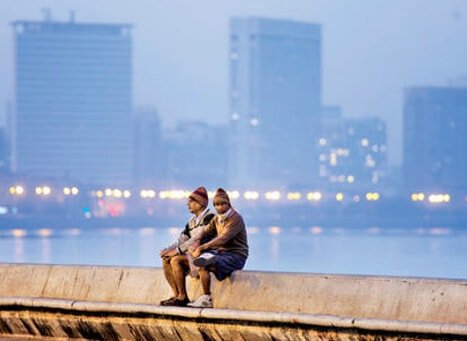
Maharashtra is poised to see a sustained uptick in temperatures this week, with the India Meteorological Department (IMD) projecting warmer daytime and minimum night conditions across most regions on Sunday and into early next week. This shift marks a clear departure from recent winter chills and carries implications for urban energy demand, public comfort and climate resilience planning in the state’s densely settled zones.
The latest IMD forecast indicates that minimum temperatures across several districts could climb by 2–4°C compared with earlier in the month, a pattern consistent with the gradual retreat of cold winter air masses. Predominantly dry skies and increased sunshine are expected in the Konkan, Central Maharashtra and Vidarbha regions, with daytime highs edging toward seasonal norms. For cities such as Mumbai and Pune, the temperature rise will bring milder nights and warmer afternoons, though severe heat extremes are not anticipated at this stage. Coastal humidities in the Konkan belt are expected to remain moderate, reducing sharp thermal swings between day and night.
Urban planners and public health officials note that even modest warming during transitional seasons can influence energy consumption patterns, including increased use of cooling systems in residential and commercial districts. In metropolitan centres with ageing infrastructure, slight shifts above historical winter averages can stress peak electricity loads and challenge resilience strategies. The easing of winter lows is also relevant for public health. Warmer minimum temperatures reduce cold-weather health risks among vulnerable groups, but they can also elevate heat stress concerns if days warm rapidly without adequate adaptation measures in places with dense built-up environments. Cities with large informal settlements may feel these impacts more acutely, as limited access to climate-controlled spaces amplifies thermal exposure.
Agricultural planners across Marathwada and Vidarbha have taken note of the temperature rise, as warmer nights and dry conditions can alter soil moisture and crop development cycles. While no rainfall is forecast in the immediate outlook, episodic fog in the early mornings could briefly temper warming along river valleys and low-lying areas. Meteorologists attribute the current warming trend to diminishing winter western disturbances and the onset of more persistent high-pressure conditions over central India. This pattern typically heralds the gradual seasonal transition toward pre-summer warmth without triggering extreme heatwaves at this time of year.
As Maharashtra moves through this seasonal shift, authorities and city managers will need to balance competing demands — from facilitating comfortable public spaces to ensuring that energy, health and climate adaptation systems are responsive to a changing temperature profile. Monitoring how this early warmth interacts with long-term climate trends will be key for resilient urban futures.