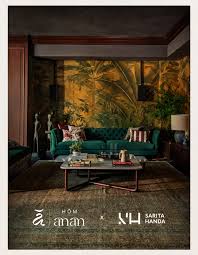
Delhi has seen the emergence of a new experiential interior design retail hub, signalling a shift in how urban consumers engage with home décor and artisanal craftsmanship. HõmAnAn, a 5,000-sq-ft multi-brand design showhouse in Greater Kailash II, opened in mid-January with a curatorial focus on homegrown Indian design labels, blending tactile retail with immersive spatial storytelling and bridging the gap between product discovery and lived experience.
Rather than a conventional furniture showroom, HõmAnAn integrates curated vignettes that resemble real living spaces — bedrooms, lounges, dining areas — where visitors can see, touch and contextualise décor pieces in scenarios that evoke everyday life. This “show-house” model resonates with evolving consumer behaviours favouring experiential shopping and personal connection with objects, designers and narratives embedded in craft traditions. The venue brings together established labels known for craft and quality alongside emerging studios. Curated participants include celebrated names and boutique brands in furniture, textiles, lighting and artisan crafts. The initiative foregrounds Indian design sensibilities — a blend of traditional artisanal techniques with contemporary aesthetics — reflecting a broader movement in interiors toward sustainable, story-rich products rooted in cultural identity.
Design professionals and urban homeowners alike are increasingly drawn to spaces that contextualise décor beyond isolated tags and aesthetics. HõmAnAn’s thematic launch centred on the Five Senses, emphasising designers’ shift from transactional displays to multi-sensory engagement, where texture, lighting, sound and even curated fragrance inform how space feels and functions. Urban planners and real estate developers see such design destinations playing a strategic role in shaping residential aspirations and lifestyle valuation. With housing markets in Indian metros becoming more nuanced, the emotional and experiential impact of interiors can influence property perception and buyer satisfaction — particularly in high-end residential projects and luxury developments. Curated showhouses help translate abstract design aspirations into tangible spatial experiences for prospective homeowners, architects and interior consultants.
HõmAnAn’s model also supports homegrown artisan economies, spotlighting labels and studios that prioritise local craft, sustainable materials and ethical production. In an era where global supply chains and mass manufacturing dominate retail interiors, spaces that connect consumers with provenance and craft narratives help drive demand for products that are meaningful, durable and locally rooted. For designers and architects, the space doubles as a discovery platform. Rather than rely solely on digital catalogues, professionals can assess materials, finishes, lighting interplay and spatial relationships in real-world contexts — all of which inform design decisions for residential and commercial projects.
Looking forward, HõmAnAn represents a burgeoning trend in urban design retail where experiential engagement, cultural craftsmanship and contextual storytelling converge. As Indian cities’ housing and commercial interiors continue to evolve, such curated environments will likely shape how design narratives are consumed, commissioned and integrated into the fabric of modern living spaces.