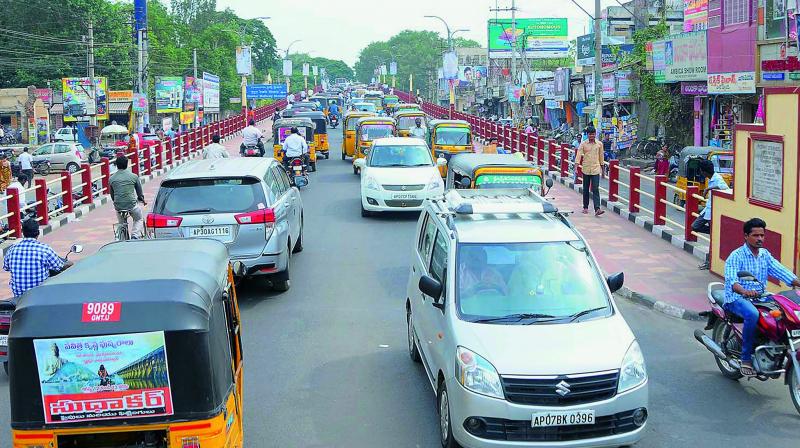
Bengaluru Traffic Enforcement Turns Zero Tolerance
Bengaluru’s traffic authorities have intensified enforcement against wrong-side driving, booking thousands of violations within days as part of a citywide crackdown aimed at improving road safety and restoring discipline on congested urban corridors. The action comes amid rising accident risks, growing commuter frustration, and mounting pressure on civic agencies to manage limited road space more responsibly.
Officials said nearly 10,000 cases of wrong-side driving were registered across multiple traffic divisions within three days of launching a special enforcement drive in late January. The surge in bookings reflects both stricter policing and the scale of non-compliance that has become routine on arterial roads, residential streets, and flyovers. Senior officials described the violation as one of the most dangerous behaviours on city roads, contributing disproportionately to collisions, traffic bottlenecks, and pedestrian injuries. Data from traffic enforcement records shows that wrong-side driving has consistently accounted for a significant share of total challans over the past year. On average, the city recorded more than 3 lakh such cases annually, translating to over 800 violations daily. A substantial portion of these cases were detected through direct intervention supported by body-worn cameras, alongside contactless enforcement methods and digital field reporting systems. Authorities noted that technology-backed monitoring has expanded accountability while reducing discretionary leniency.
Traffic planners and road safety experts argue that wrong-side driving undermines the efficiency of urban transport networks already strained by high vehicle density and fragmented last-mile connectivity. Vehicles moving against traffic flow disrupt predictable movement patterns, trigger sudden braking, and heighten the risk of severe crashes, particularly on narrow streets and elevated corridors. These risks are amplified in rapidly densifying neighbourhoods where mixed land use places pedestrians, cyclists, and motorists in close proximity. Officials acknowledged that enforcement agencies had previously exercised informal tolerance, especially when violators cited short distances or local familiarity. However, repeated misuse of such justifications has prompted a policy shift toward zero tolerance. Under the current drive, violations may lead to vehicle seizure, prosecution under dangerous driving provisions, and suspension of driving licences.
Urban governance experts see the crackdown as part of a broader push to rebalance Bengaluru’s streets toward safer, more predictable use. They note that sustained enforcement, paired with clearer road design, improved signage, and better pedestrian access to essential services, is critical to long-term compliance. Simply widening roads or adding flyovers, they argue, cannot compensate for unsafe driving behaviour in a city striving for inclusive and climate-resilient mobility. Traffic officials indicated that enforcement will continue across all divisions, with no exemptions for perceived emergencies or convenience. As Bengaluru expands and traffic volumes rise, authorities say consistent rule-following not shortcuts will determine whether the city can move toward safer, more liveable streets.