


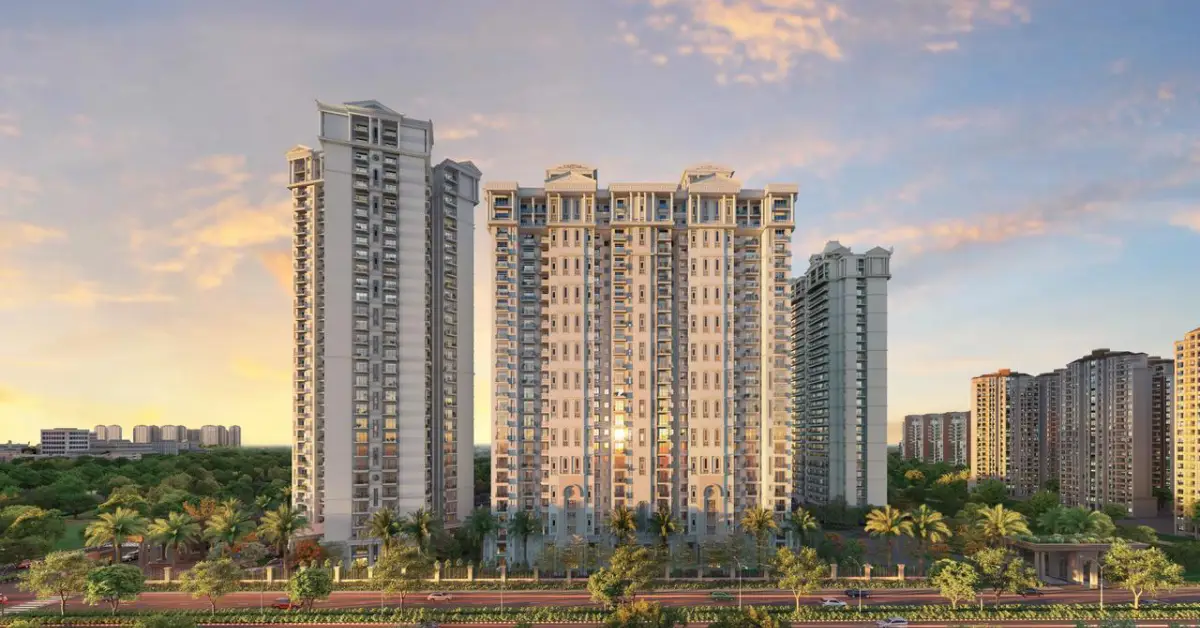
A new luxury residential developer has announced its entry into South Delhi, signalling renewed confidence in one of the capital’s most tightly held and socially established housing markets. The move reflects a broader shift in high-end residential demand toward smaller, design-led developments in legacy neighbourhoods, even as regulatory scrutiny and land constraints continue to shape urban growth in the National Capital Region.
South Delhi has long occupied a distinctive position in Delhi’s urban geography. Characterised by low-rise built form, mature civic infrastructure, and proximity to cultural and institutional hubs, the area has resisted large-scale vertical redevelopment seen elsewhere in NCR. Urban planners note that this resistance has not dampened demand, but instead redirected it toward limited-supply, high-value housing formats that prioritise privacy, spatial efficiency, and long-term livability. The incoming developer is positioning its first project as a boutique, ultra-luxury builder-floor development rather than a conventional gated complex. Industry experts say this model aligns with evolving buyer preferences, particularly among professionals and multi-generational households seeking central locations without the density pressures associated with large residential towers. Unlike earlier luxury cycles driven by size and visual prominence, the current phase of premium housing in Delhi is increasingly shaped by design restraint and operational efficiency. Architects and sustainability consultants involved in similar projects point to a growing emphasis on natural light optimisation, passive cooling strategies, and durable materials that reduce long-term maintenance and energy use. These features, while subtle, are becoming key differentiators in a market where discerning buyers evaluate homes as long-term assets rather than short-term status symbols.
From an urban development perspective, the entry of new-age developers into established neighbourhoods raises important questions around regulatory compliance, infrastructure capacity, and community integration. Municipal officials indicate that smaller, address-specific projects are often easier to align with existing road networks, utilities, and environmental norms, provided redevelopment adheres to planning controls and avoids excessive densification. Market analysts also view the move as a signal of confidence in South Delhi’s resilience amid broader economic uncertainty. With land availability limited and redevelopment approvals closely monitored, supply in the ultra-luxury segment remains constrained. This has sustained price stability and encouraged developers to focus on quality and differentiation rather than volume-led expansion. The developer has indicated that its growth strategy will remain selective, favouring a limited pipeline over rapid geographic spread. Such an approach mirrors a wider recalibration within the real estate sector, where sustainability, construction quality, and lifecycle performance are increasingly shaping investment decisions.
As Delhi continues to balance heritage preservation with modern housing needs, the success of these boutique luxury projects may offer insights into how cities can accommodate high-end residential demand without compromising neighbourhood character or urban resilience. The coming years will test whether design-led, small-scale developments can become a viable model for responsible luxury housing in India’s most complex urban markets.
Also Read: RERA Timelines Under Scrutiny After Tribunal Rebukes Regulator
Kowori Group Enters South Delhi Market
