


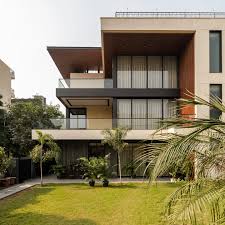
India’s largest cities are quietly redesigning what “open space” means inside the urban home. Across Delhi-NCR, Bengaluru and Mumbai, balconies once a routine part of apartment layouts are becoming smaller, fewer, or absent altogether, particularly in mid-income housing. The shift reflects deeper pressures shaping urban development: rising land costs, regulatory frameworks, air quality concerns, and a growing focus on saleable efficiency rather than lifestyle extensions.
In technology-driven markets such as Bengaluru and rapidly expanding NCR districts, developers are recalibrating layouts to maximise usable interiors. Urban planners and market analysts note that buyers have become more attentive to carpet area versus advertised size, questioning how much of what they pay for is truly liveable. As a result, peripheral features like balconies are increasingly treated as discretionary rather than essential. In NCR micro-markets including Noida and Gurugram, planning norms allow limited-depth balconies without reducing permissible buildable area. This regulatory cushion has enabled balconies to remain relatively common, even in mid-segment projects. However, developers confirm that sizes are being standardised and capped, with fewer large outdoor decks than in earlier residential formats. Bengaluru presents a sharper shift. Real estate consultants say newer launches show a noticeable decline in both the number and depth of balconies compared to projects from a decade ago. In central areas with smaller land parcels, many developments offer a single compact balcony or none at all. Where balconies are retained, they often push homes into higher pricing brackets, effectively positioning open space as a premium feature.
Mumbai’s trajectory is more complex. Long constrained by land scarcity, the city had largely phased out balconies after regulatory changes brought them within floor space calculations. Post-pandemic preferences, however, have renewed buyer interest in some form of private outdoor access. Developers are selectively reintroducing balconies where environmental conditions such as coastal frontage or adjacency to green reserves offer meaningful value. In dense neighbourhoods with close-set towers, architects question whether balconies serve more than symbolic purposes. Environmental factors are also reshaping design choices. Persistent air pollution in parts of NCR, combined with urban heat and vector concerns, has led designers to reassess the functional usefulness of exposed outdoor spaces. Some newer projects are instead emphasising internal courtyards, filtered ventilation systems and shaded semi-open areas that balance health considerations with climate responsiveness. Urban housing experts suggest that the changing role of balconies highlights a broader challenge for Indian cities: reconciling density with liveability. As metropolitan regions grow vertically, the allocation of light, air and private open space is increasingly mediated by policy, pricing and environmental realities.
Looking ahead, planners argue that clearer regulations and performance-based design standards could help ensure that future housing delivers both efficiency and well-being even as cities continue to grow upward rather than outward.
Also Read: Mumbai Versova Cultural Memory Finds Urban Record
Delhi NCR Housing Rethinks Balcony Space
