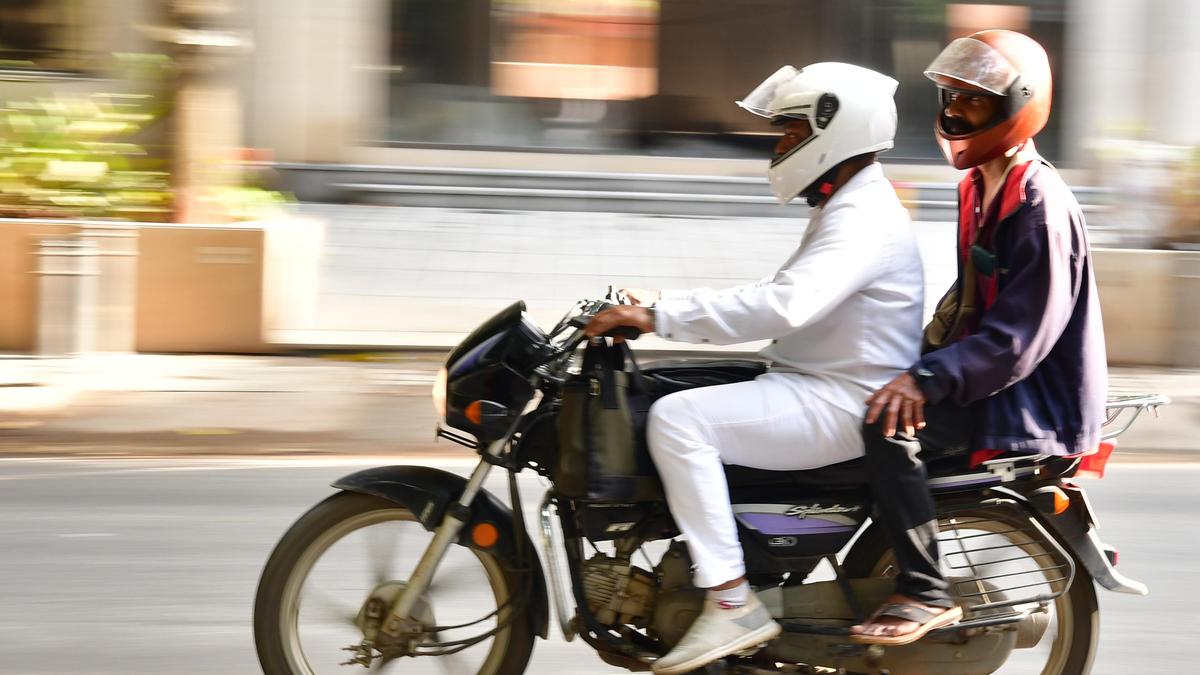
Bengaluru’s long-running debate over bike taxi services has returned to the centre of urban policy discussions after a recent court order allowed operations to continue, at least temporarily. For the city’s daily commuters, the decision restores a widely used last-mile travel option. For regulators and legacy transport operators, it reopens questions around safety, livelihoods and how India’s fastest-growing cities manage informal mobility within formal systems.
Bike taxis have become a quiet but significant layer in Bengaluru’s transport ecosystem. With a Metro network spanning under 100 km and still expanding, the challenge for most users lies not in the rail journey itself but in reaching stations efficiently. Urban mobility experts note that two-wheelers, when digitally aggregated, have emerged as a response to gaps left by buses and autorickshaws, especially for short distances and time-sensitive trips. Commuter groups argue that bike taxis reduce both travel costs and congestion. Users point to faster door-to-station connectivity and fares that are often lower than alternative modes during peak hours. In a city where private vehicle dependence is rising, planners say such services can complement mass transit by discouraging short car trips, a key factor in lowering urban emissions.
However, the absence of a clear regulatory framework has created friction. Transport officials maintain that safety standards, vehicle classification and insurance coverage remain unresolved. Industry observers say this uncertainty has allowed inconsistent pricing practices and uneven rider protections, raising concerns for both users and drivers operating on these platforms. The current discussion, they add, is less about whether bike taxis should exist and more about how Bengaluru bike taxi regulation can balance innovation with accountability. Autorickshaw and taxi unions, meanwhile, see the expansion of bike taxis as an economic threat. Representatives of driver associations argue that unregulated two-wheeler services dilute earnings in an already competitive market and risk destabilising livelihoods tied to licensed vehicles. They have urged the state to seek stricter legal clarity, warning that unchecked growth could deepen income insecurity among traditional operators.
Urban policy specialists suggest that a binary approach either unrestricted operation or outright bans will not serve a city of Bengaluru’s scale. Instead, they point to regulated integration: safety norms, transparent pricing, capped fleet sizes near transit hubs and clear labour protections. Such measures, they argue, could align bike taxis with broader goals of inclusive, low-carbon mobility while preventing market distortions. As the government reviews its next steps, Bengaluru bike taxi regulation has become a test case for how Indian cities adapt transport policy to evolving commuter behaviour. The outcome will shape not only daily travel choices but also how future mobility solutions are woven into sustainable urban growth strategies.