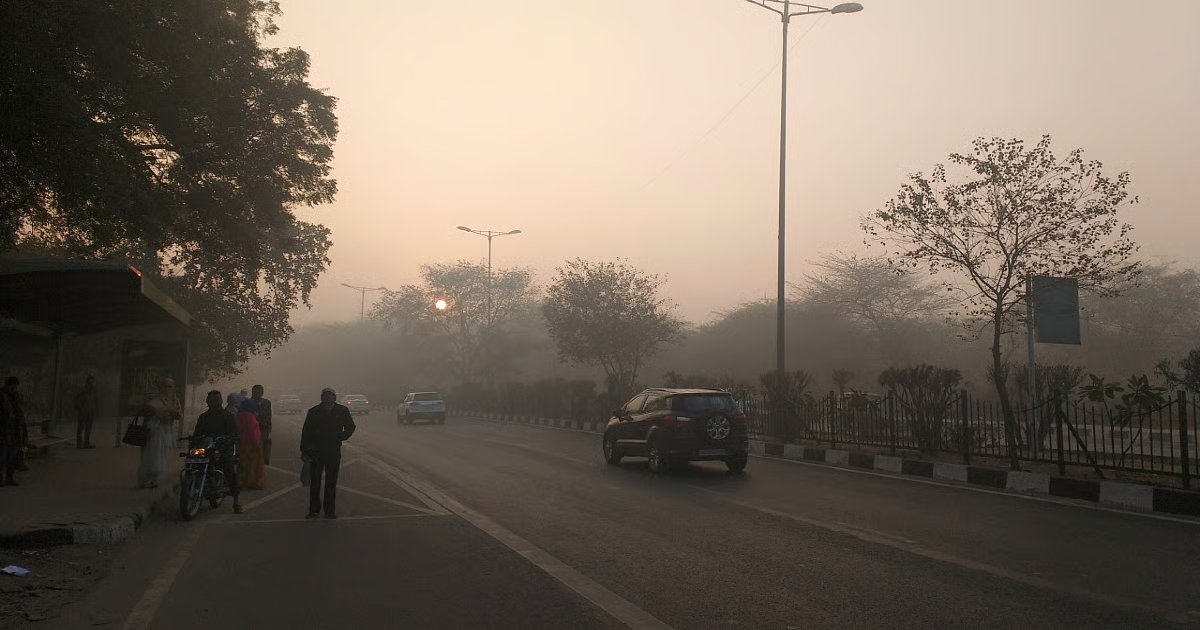
Ahmedabad recorded an unexpected rise in overnight temperatures this week, with minimum readings climbing close to 18°C, underscoring the growing unpredictability of winter weather in one of India’s fastest-expanding urban centres. While daytime conditions remained seasonally mild, the warmer nights mark a short-term deviation with longer-term implications for public health, energy use, and climate planning in cities across western India. According to official weather data, the city’s minimum temperature on Thursday was significantly above the seasonal average, continuing a gradual upward movement seen over the past two nights. Meteorological assessments suggest this warming trend is temporary, with cooler conditions expected to return over the weekend as atmospheric systems shift and northerly winds strengthen across the region.
Experts tracking regional climate behaviour attribute the fluctuation to changing wind circulation patterns linked to a western weather system moving across northern India. These systems often bring cloud cover and higher moisture levels, reducing nocturnal heat loss and resulting in warmer nights, particularly in urban areas with dense construction and limited green cover. Across Gujarat, minimum temperatures remained in double digits, even in districts that typically experience sharper winter chills. Coastal and arid regions reported relatively moderate lows, reflecting how large-scale weather disturbances are increasingly interacting with local geography and urban form to shape microclimates. For Ahmedabad, such temperature variability has consequences beyond daily comfort.
Urban planners note that warmer winter nights can alter residential energy demand, particularly in mixed-income neighbourhoods where ventilation, insulation quality, and access to efficient heating vary widely. Buildings designed for historically cooler winters may struggle to adapt to frequent fluctuations, raising questions about the resilience of existing housing stock. Public health professionals also highlight the risks posed by sudden temperature changes, especially for older residents, outdoor workers, and those living in informal settlements. Fluctuating winter conditions can exacerbate respiratory illnesses and complicate seasonal disease management, particularly when combined with higher humidity levels. From an infrastructure perspective, the episode reinforces the need for climate-responsive urban design. Heat-retentive surfaces, reduced tree cover, and dense development intensify the urban heat island effect, even during winter months.
City officials involved in climate planning say such patterns strengthen the case for integrating passive cooling measures, reflective materials, and expanded green spaces into both public projects and private real estate developments. Weather agencies expect a modest dip in minimum temperatures over the next 24 to 48 hours, followed by a gradual stabilisation. While the immediate shift may offer brief relief, urban analysts caution that episodic weather swings are becoming more common. As Ahmedabad continues to grow as a commercial and residential hub, adapting buildings and neighbourhoods to climate variability rather than historical averages will be critical to maintaining liveability, energy efficiency, and long-term urban resilience.