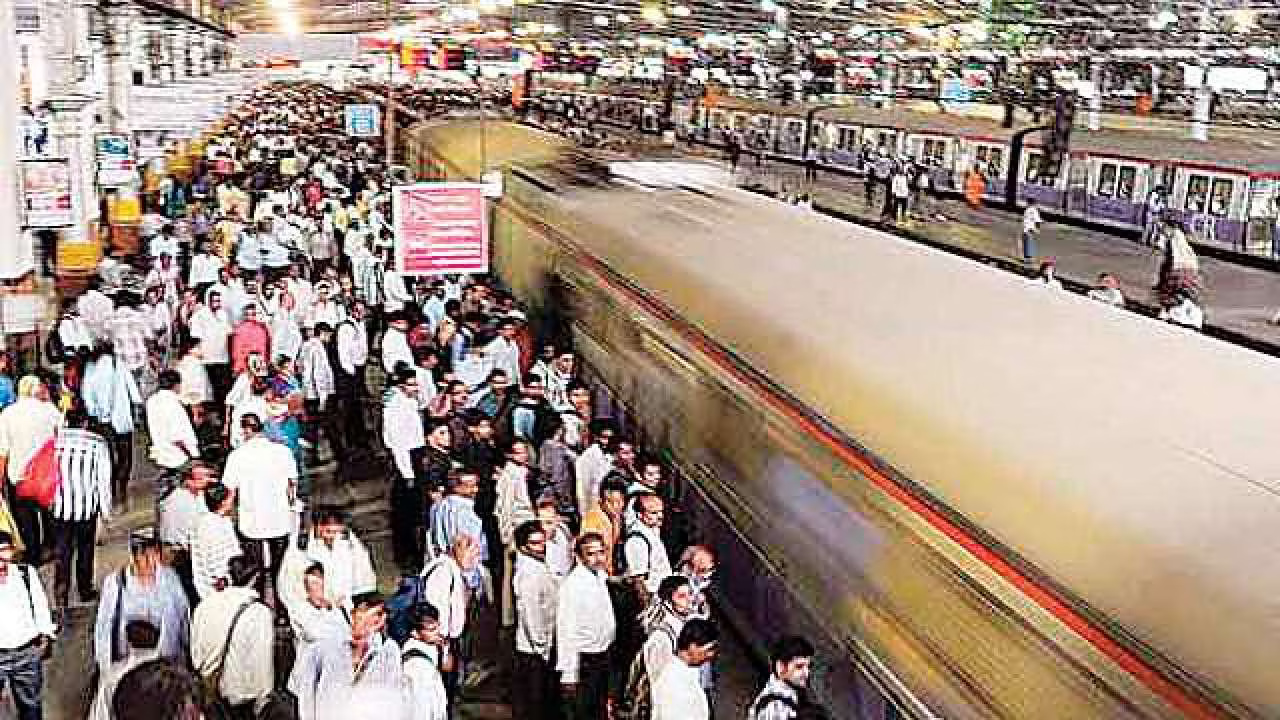
Mumbai’s suburban railway network, one of the most heavily used urban transport systems in the world, is set to undergo a detailed assessment aimed at improving passenger safety and movement during peak hours. The national railways’ engineering and consultancy arm has been tasked with conducting station-level studies to develop location-specific crowd management strategies across key hubs in Mumbai and select cities in Maharashtra.
The initiative comes amid sustained growth in suburban rail ridership, driven by rising urban density, longer commuting distances, and limited alternatives during peak travel windows. For a city where millions depend on trains daily, even small inefficiencies in station design or passenger circulation can escalate into safety risks, delays, and commuter discomfort. In the initial phase, the exercise will focus on a shortlist of Mumbai’s busiest stations, spanning both suburban corridors and long-distance terminals. Important rail hubs in Pune and Nashik are also part of the study, reflecting a broader state-level approach to passenger safety rather than a Mumbai-only intervention. Officials involved in the planning say the goal is to move away from uniform station templates and instead address the distinct operational pressures faced by each location.
The surveys will involve detailed mapping of passenger movement during different times of the day, capturing how commuters enter, exit, transfer, and wait within station premises. Infrastructure elements such as platforms, staircases, foot overbridges, escalators, lifts, and ticketing areas will be analysed alongside train schedules and platform occupancy patterns. Urban context, including proximity to business districts, markets, offices, and arterial roads, will also inform the final recommendations. Railway planners note that crowd management is no longer limited to adding footbridges or widening staircases. It increasingly relies on understanding behavioural patterns, bottlenecks, and conflict points within complex station environments. Industry experts say such studies are critical as Mumbai expands its metro network and redevelops railway stations, making integration between different transport modes essential for smooth passenger flow.
Each station assessment is expected to involve significant technical expenditure and will be funded under existing passenger safety and facilitation budgets. While the process will take several months, officials indicate that the findings could influence future station redevelopment plans, operational protocols, and technology adoption, including real-time monitoring and passenger information systems. From an urban development perspective, improved crowd handling at railway stations has implications beyond transport efficiency. Safer, better-organised stations can support inclusive mobility, reduce accident risks, and improve access for women, senior citizens, and persons with disabilities. Real estate analysts also point out that well-managed transit hubs tend to enhance the attractiveness of surrounding commercial and residential precincts.
As Mumbai continues to densify, the success of this Mumbai railway crowd management exercise will depend on how effectively its recommendations are translated into on-ground changes. The next challenge lies in aligning infrastructure upgrades, operational reforms, and long-term station planning to ensure the city’s rail network remains both resilient and people-first.
Mumbai Stations Set for Crowd Safety Audit