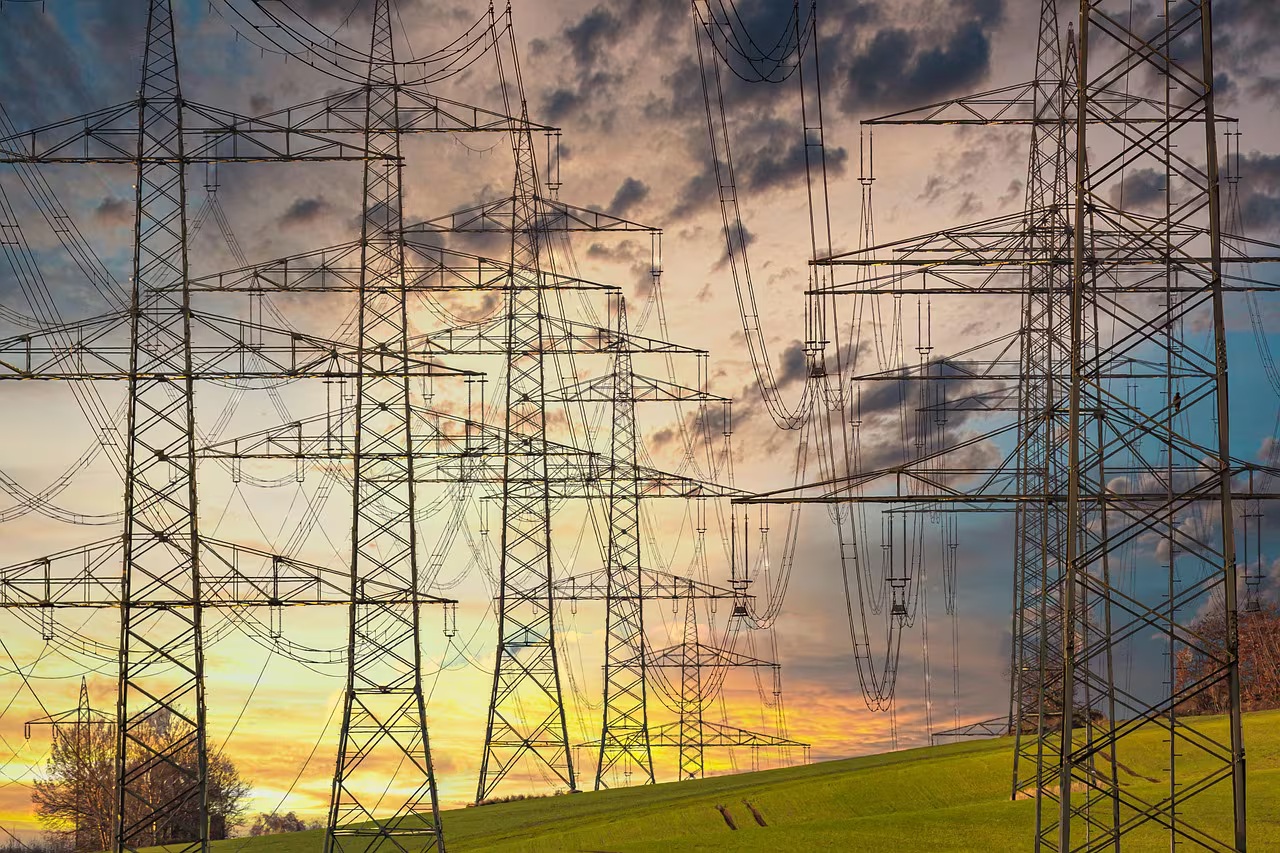
Bengaluru’s fragile urban infrastructure came under renewed strain on Friday as widespread electricity disruptions stretched into a third consecutive day, affecting residential pockets, peri-urban settlements, and economic activity across parts of the city and its surrounding talukas. The prolonged power cuts, linked to scheduled grid maintenance, have highlighted growing concerns around energy resilience in one of India’s fastest-expanding metropolitan regions. Multiple localities on the city’s northern and western edges experienced planned outages through the day, compounding disruptions reported earlier in the week.
Several villages and semi-urban clusters had already endured supply interruptions lasting up to nine hours, disrupting household routines, small businesses, irrigation cycles, and informal work dependent on reliable electricity access. Urban planners note that while maintenance-related shutdowns are not uncommon, the scale and duration of the current disruption point to deeper structural pressures on Bengaluru’s electricity network. Rapid urban expansion, rising residential density, and increased commercial demand have pushed legacy distribution systems close to operational limits, particularly in areas transitioning from rural to urban governance. The power disruption has also underscored the uneven experience of infrastructure reliability within the city. While core business districts are often insulated through redundancies, peripheral neighbourhoods and satellite settlements remain more vulnerable to outages.
For residents in these areas, power cuts translate into water supply interruptions, loss of digital connectivity, and reduced access to essential services. Energy sector experts say the situation reflects a broader challenge facing Indian cities balancing immediate maintenance needs with long-term grid modernisation. Ageing substations, capacity mismatches, and climate-related stressors including higher ambient temperatures are increasingly affecting urban power stability. Bengaluru’s experience mirrors similar disruptions seen in other high-growth metros where infrastructure has struggled to keep pace with real estate and population growth. In response to recurring outages, the city’s electricity distributor has renewed its push for decentralised energy solutions, particularly rooftop solar adoption under a national household solar programme. Officials argue that distributed generation can ease pressure on the central grid while improving energy security for residents, especially during peak demand periods.
However, urban policy specialists caution that decentralised solar alone cannot substitute for systemic upgrades. “Rooftop solar is part of the solution, but it must be matched with investment in smart grids, storage, and equitable access,” said an infrastructure analyst familiar with urban energy planning. Without coordinated planning, they warn, energy transitions risk deepening divides between well-resourced households and vulnerable communities. As Bengaluru continues to grow outward and upward, the current power disruptions serve as a reminder that sustainable urbanisation depends not only on new construction but also on resilient, future-ready infrastructure. Ensuring reliable electricity supply will remain central to the city’s economic competitiveness, climate preparedness, and quality of life in the years ahead.