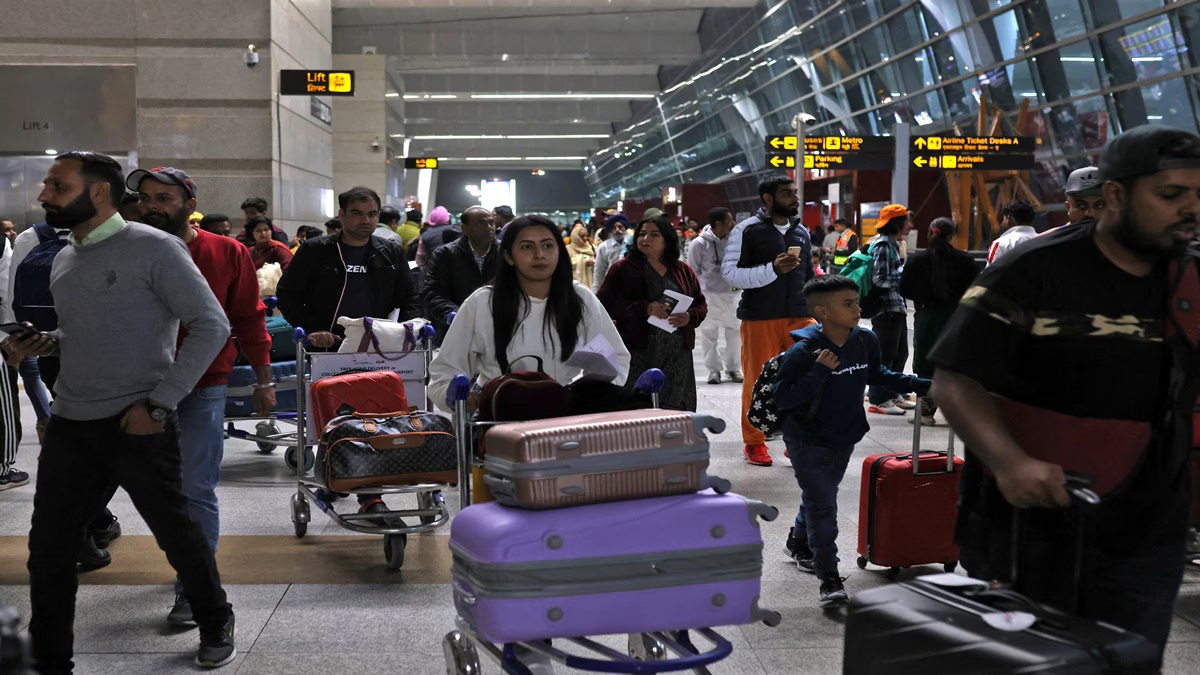
As India approaches its Republic Day weekend, Ahmedabad’s primary aviation gateway has moved into a heightened security phase, triggering changes that will affect passenger movement, airline operations, and terminal efficiency across one of western India’s fastest-growing urban regions. Enhanced security measures are set to remain in force through the end of January, reflecting nationwide aviation protocols during high-sensitivity periods.For a city positioning itself as a logistics, manufacturing, and financial hub, airport readiness during peak civic events carries broader implications. Aviation officials indicate that the enhanced measures include layered screening of passengers and baggage, stricter access controls, and revised timelines for check-in and boarding processes.
These adjustments are intended to balance national security requirements with the rising volume of post-pandemic air travel. Industry experts note that Ahmedabad’s airport now handles traffic levels far exceeding pre-2020 benchmarks, driven by business travel, regional connectivity, and expanding international routes. Any disruption to passenger flow, even temporary, has a cascading effect on productivity, airline costs, and traveller confidence particularly during holiday-linked demand surges. Operationally, airlines have been instructed to close check-in facilities earlier than usual, while boarding gates will also cease operations well before scheduled departures. Passengers are required to adhere to stricter hand baggage norms, with additional screening layers extending processing time within terminal buildings. Airport planners say these measures are standard across major Indian cities during national observances but require careful coordination in high-density terminals such as Ahmedabad.
Urban mobility specialists point out that airport advisories increasingly intersect with city-level transport planning. Longer dwell times at terminals mean travellers must factor in road congestion, last-mile connectivity, and public transport availability especially as Ahmedabad continues to expand its metro and bus rapid transit networks. Efficient airport access, they argue, is becoming as critical to passenger experience as in-terminal operations. From a sustainability and infrastructure perspective, the episode underscores the importance of resilient airport design. As security requirements intensify periodically, terminals must manage crowding, energy use, and waste generation without compromising safety or inclusivity. Experts emphasise that future terminal upgrades should integrate flexible security zones, climate-responsive layouts, and digital queue management systems to reduce stress on both passengers and staff.
Aviation authorities have advised travellers to monitor flight schedules closely and allow for additional buffer time before departure. While the measures are temporary, they highlight the evolving relationship between national security, urban infrastructure, and the everyday experience of mobility in India’s growing cities. As air traffic volumes continue to rise, the challenge for airports like Ahmedabad will be to institutionalise such preparedness without eroding efficiency ensuring that safety enhancements complement, rather than constrain, the city’s broader economic and urban ambitions.