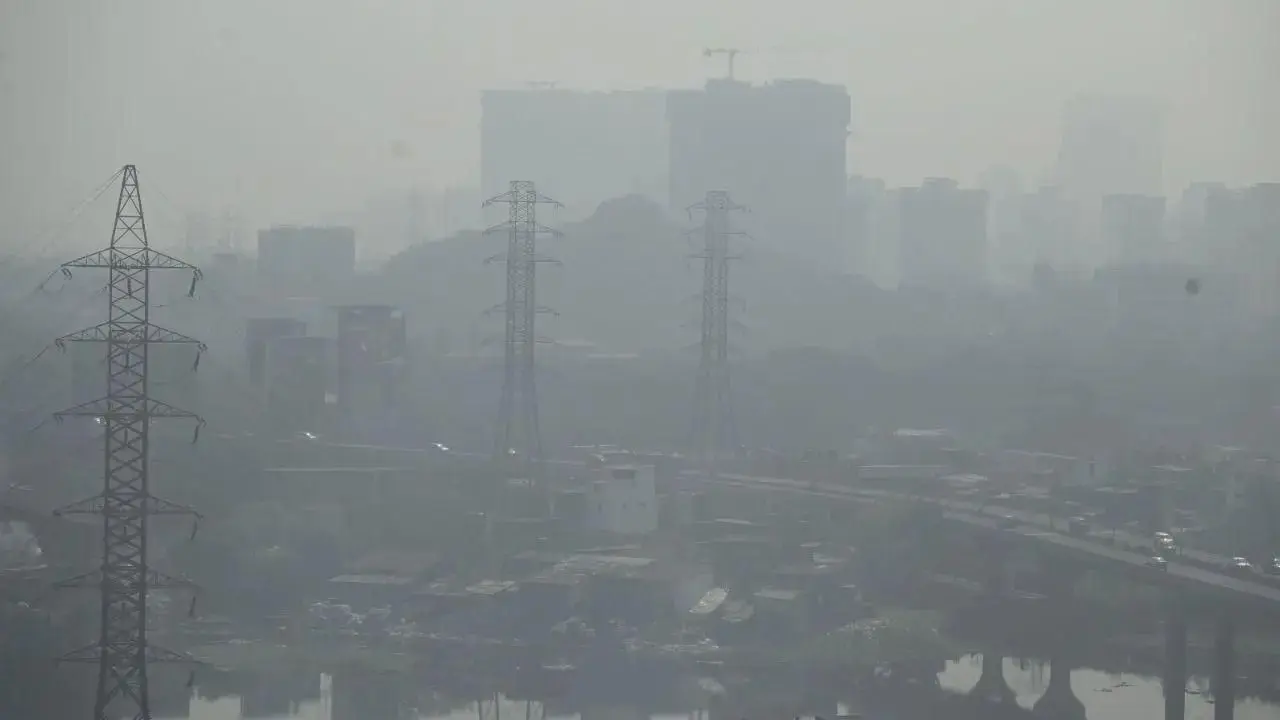
Mumbai experienced a bright, dry winter day on Thursday, January 23, 2026, with generally clear skies and comfortable temperatures prevailing across the metropolitan region. The India Meteorological Department (IMD) forecast sunny conditions throughout the day, offering a brief respite from typical winter haze and smog commonly observed in urban centres. While the pleasant weather encouraged outdoor activity, air quality levels remained a moderate concern, highlighting ongoing environmental challenges for the city.
Maximum temperatures reached around 30 degrees Celsius, with night-time lows near 18 degrees Celsius. Coastal humidity contributed to a ‘feels-like’ temperature of approximately 28 degrees Celsius, moderated by light winds averaging 12 kmph. Sunrise occurred at 7:13 am, with sunset at 6:25 pm, providing nearly eleven hours of daylight. A senior urban planner noted that such stable winter conditions, combined with moderate pollution levels, underscore the importance of city planning that integrates green corridors and urban vegetation to maintain thermal comfort and air circulation. Despite favourable weather, the city’s Air Quality Index (AQI) remained at 112, falling within the ‘moderate’ category as per Indian standards. Key locations reported varied readings: Bandra Kurla Complex at 133, Kandivali West 122, Byculla 144, Andheri East 102, Chembur 104, and Deonar 134. Experts indicate that while these levels are not immediately hazardous, prolonged exposure to moderate AQI may pose health risks for vulnerable populations, including children and the elderly.
Urban environmental analysts emphasised that Mumbai’s seasonal air quality challenges are compounded by vehicular emissions, industrial output, and limited dispersion in densely built areas. The city’s experience contrasts with Delhi, where recent light rain and thunderstorms have temporarily improved air quality. On Friday, Delhi’s AQI improved marginally from 312 to 297, following the revocation of Stage III Graded Response Action Plan (GRAP) measures by the Commission for Air Quality Management. While Mumbai benefits from coastal breezes that moderate particulate concentration, monitoring and sustainable urban planning remain critical for long-term air quality management. For residents, the current conditions provide both relief and a reminder of the need for responsible urban behaviour. Measures such as promoting public transport, controlling industrial emissions, and enhancing green infrastructure can help maintain moderate AQI levels while supporting the city’s broader climate resilience goals. Urban development authorities suggest continuing to integrate sustainable mobility and green building practices to align city growth with environmental safety.
Looking ahead, consistent weather monitoring and policy enforcement will be key to ensuring that Mumbai’s air quality and urban environment remain conducive to healthy living, even during periods of favourable weather. Stakeholders emphasise the necessity of proactive interventions to prevent seasonal spikes in pollution and to safeguard public health across the metropolis.
Mumbai Records Clear Winter Day Moderate Air Quality