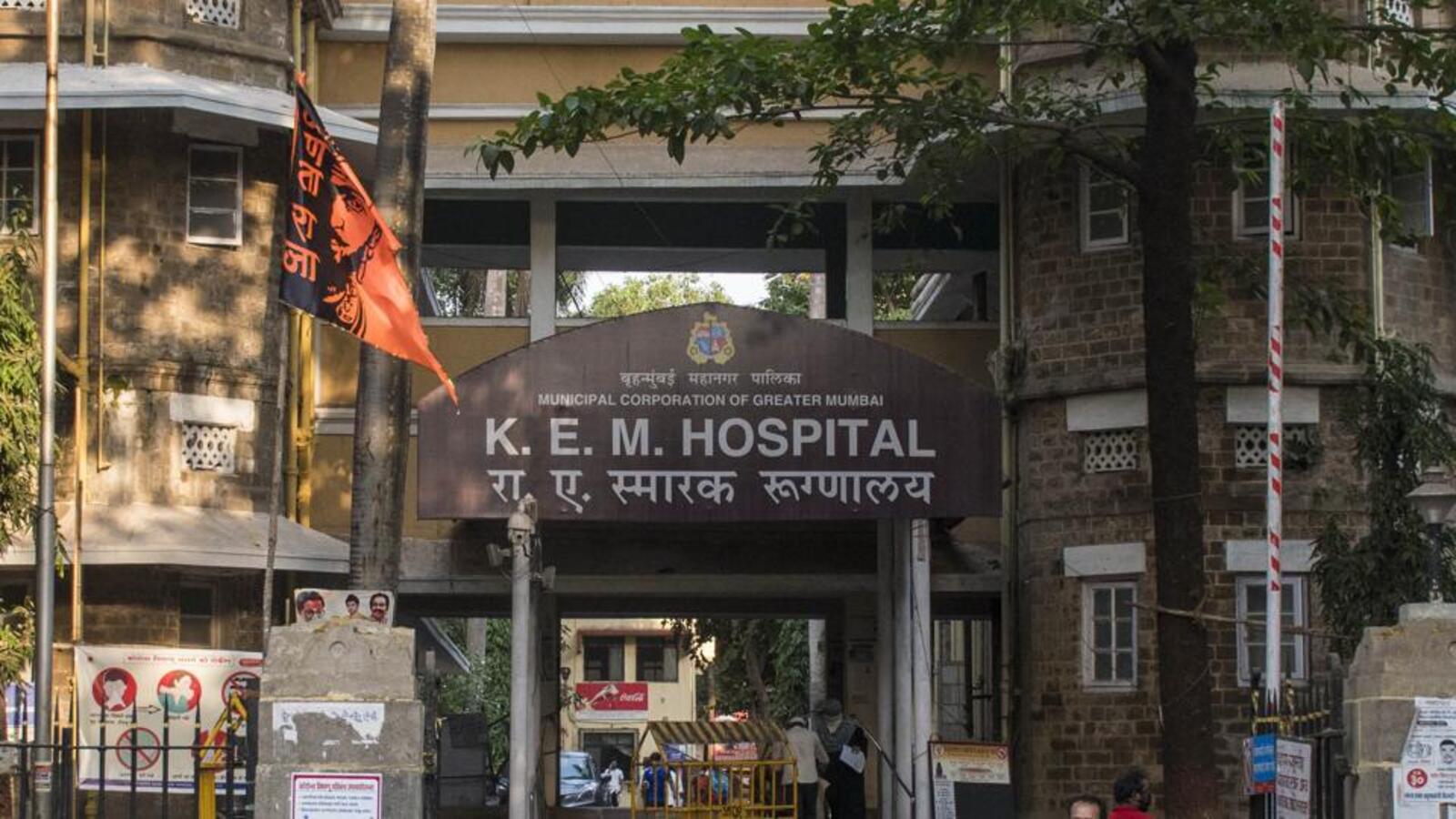
Mumbai’s largest public healthcare campus in Parel is entering a new phase of infrastructure-led transformation as it prepares for major digital and physical upgrades aimed at improving patient experience, operational efficiency, and medical education capacity. The expansion plans were outlined during centenary commemorations marking 100 years of service by the hospital and its affiliated medical college—an institution that has long anchored Mumbai’s public health system.
At the core of the roadmap is a proposed Service Tower designed to consolidate multiple diagnostic and support services within a single building. Urban health planners say this shift reflects a growing emphasis on patient-centric hospital design, reducing internal travel time, easing congestion, and improving care coordination in high-footfall public hospitals. The move aligns with broader city goals to modernise civic infrastructure without expanding the physical footprint unnecessarily. In parallel, plans are underway for a large on-campus hostel facility capable of accommodating over a thousand medical students. Officials involved in the project said the addition is intended to address long-standing accommodation shortages while strengthening academic continuity and campus safety. Urban development experts note that such residential infrastructure reduces daily travel demand, cutting emissions and easing pressure on Mumbai’s transport network.
Technology integration is another key pillar of the upgrade. Hospital administrators confirmed readiness to fully deploy a Hospital Management Information System across departments. The system is expected to digitise patient records, streamline admissions and discharge processes, and enable data-driven resource allocation—critical in a facility that manages thousands of outpatient visits daily. Health economists point out that digital hospital systems can significantly reduce operational costs while improving service quality in resource-constrained public settings. Officials overseeing the health portfolio also highlighted plans to introduce AI-enabled tools to guide patients through eligibility for public health schemes, appointment systems, and service navigation. Complementing this is a proposal for a centralised communication platform connecting medical students with specialists nationwide, creating a distributed mentorship and knowledge-sharing network. Such initiatives are increasingly viewed as essential to strengthening India’s public healthcare workforce.
With a bed capacity exceeding 2,000, the hospital functions as a tertiary care hub for the Mumbai Metropolitan Region and beyond. Its evolution mirrors the city’s own growth—from a compact colonial-era facility to a sprawling healthcare ecosystem embedded within dense urban fabric. Urban policy specialists argue that reinvesting in legacy public hospitals is more sustainable than building new greenfield facilities, as it leverages existing transit access, utilities, and social infrastructure.
As Mumbai grapples with climate stress, population growth, and rising healthcare demand, the next phase of the KEM campus will be closely watched. The success of this upgrade will depend on timely execution, seamless digital adoption, and whether infrastructure investments translate into measurable gains for patients, students, and frontline healthcare workers.
Mumbai KEM Hospital Charts Digital Expansion Path