


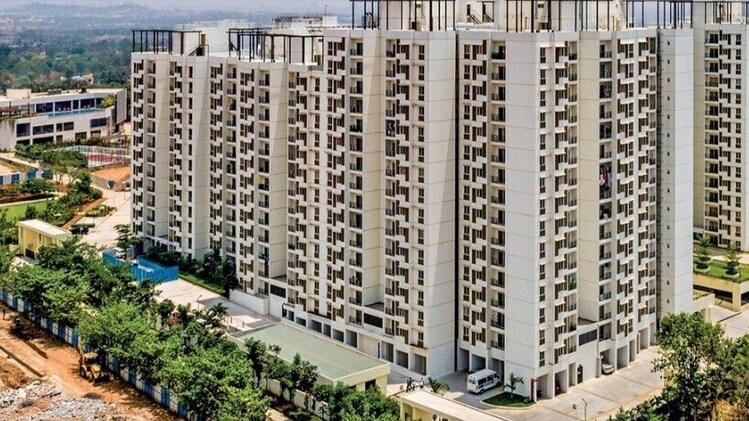
Bengaluru’s residential rental market is entering a phase of acute stress, particularly across its eastern technology corridors, as young professionals confront rents that increasingly resemble global financial centres without corresponding income parity. Recent market behaviour in neighbourhoods such as Kadubeesanahalli, Marathahalli and Bellandur signals a widening gap between housing supply, affordability and everyday liveability.
Industry trackers and rental platforms indicate that asking rents for mid-sized apartments in East Bengaluru have climbed sharply over the past 18 months, driven by sustained technology sector hiring, return-to-office mandates, and constrained new housing supply close to employment hubs. Semi-furnished two-bedroom homes in several micro-markets are now being quoted at levels once reserved for premium gated developments, raising questions about long-term urban inclusivity. Urban planners note that East Bengaluru’s rental inflation is not merely a function of demand, but of spatial imbalance. Large employment concentrations along the Outer Ring Road continue to draw tens of thousands of workers daily, while residential development remains fragmented by infrastructure bottlenecks, delayed public transport expansion, and limited last-mile connectivity. As a result, tenants face a stark trade-off between proximity and affordability. The pressure is particularly visible among early-career professionals and migrant workers, many of whom allocate a growing share of monthly income towards rent and security deposits. The city’s informal norm of high advance deposits often equivalent to several months of rent further raises the entry barrier to housing, disproportionately affecting younger households and single-income renters. Experts argue that Bengaluru’s rental escalation reflects a structural challenge rather than speculative excess. New housing launches in well-connected eastern corridors have slowed due to land constraints, planning delays and rising construction costs.
Meanwhile, existing stock is being repriced in response to short-term demand surges, especially in areas lacking reliable metro access or alternative transport options. From a sustainability lens, the situation highlights the cost of delayed transit-oriented development. Urban economists point out that neighbourhoods with metro connectivity or mixed-use zoning tend to stabilise rents over time by distributing demand more evenly across the city. In contrast, car-dependent corridors with limited civic infrastructure amplify both congestion and housing stress. Policy observers suggest that Bengaluru’s next phase of housing reform must focus on rental housing supply, faster suburban rail integration, and incentives for affordable mid-income developments near employment clusters. Without these interventions, escalating rents risk pushing the city’s workforce further away from jobs, increasing commute times, carbon emissions and social inequity.
As Bengaluru continues to position itself as a global innovation hub, the sustainability of its growth will increasingly depend on whether housing remains accessible to the people who power its economy not just those who can afford rising premiums.
Also Read: Bengaluru micro markets redraw residential investment map
Bengaluru Housing Crunch Hits Young Professionals
